

Zero-Waste Packaging: Is It the Next Step in Sustainability?
You're constantly pushed to find the next "green" solution, and now "zero-waste" is the buzzword. But it sounds like a logistical fantasy, leaving you to wonder if it's a realistic goal or just another unachievable ideal.
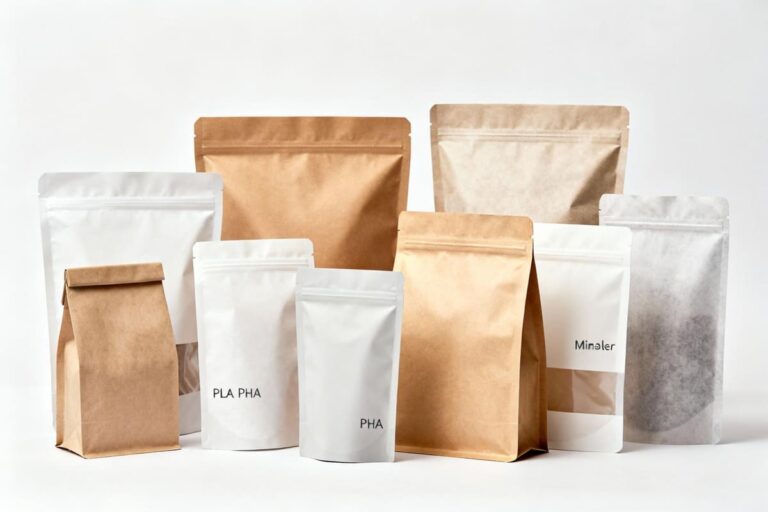
Zero-waste packaging is the next logical step, moving beyond recycling to eliminate waste entirely. In practice, this is achieved through two main strategies: reusable/refillable systems and materials that are genuinely compostable, returning safely to the earth.

I had a client, a small independent coffee roaster, who was passionate about cutting waste. They invested in a system of reusable stainless steel canisters for their coffee beans. Customers would pay a deposit, and bring the empty canister back to the store for a refill, getting a discount. The idea was perfect on paper. But they found that only a tiny fraction of customers consistently remembered to bring the canisters back. The rest either forgot them at home or just treated the premium canister as a one-time purchase. It taught me a vital lesson: a zero-waste system is only as good as the customer habits that support it.
Are Reusable and Refillable Systems Actually Practical for Most Brands?
You see big brands launching refill pods, but it looks incredibly complex. You're worried about the hidden logistics, the cost, and whether customers will even bother participating.
Reusable systems are highly practical for specific categories, especially for products consumed regularly at home. The key is to make the process effortless for the customer and to design a permanent container they truly want to keep.
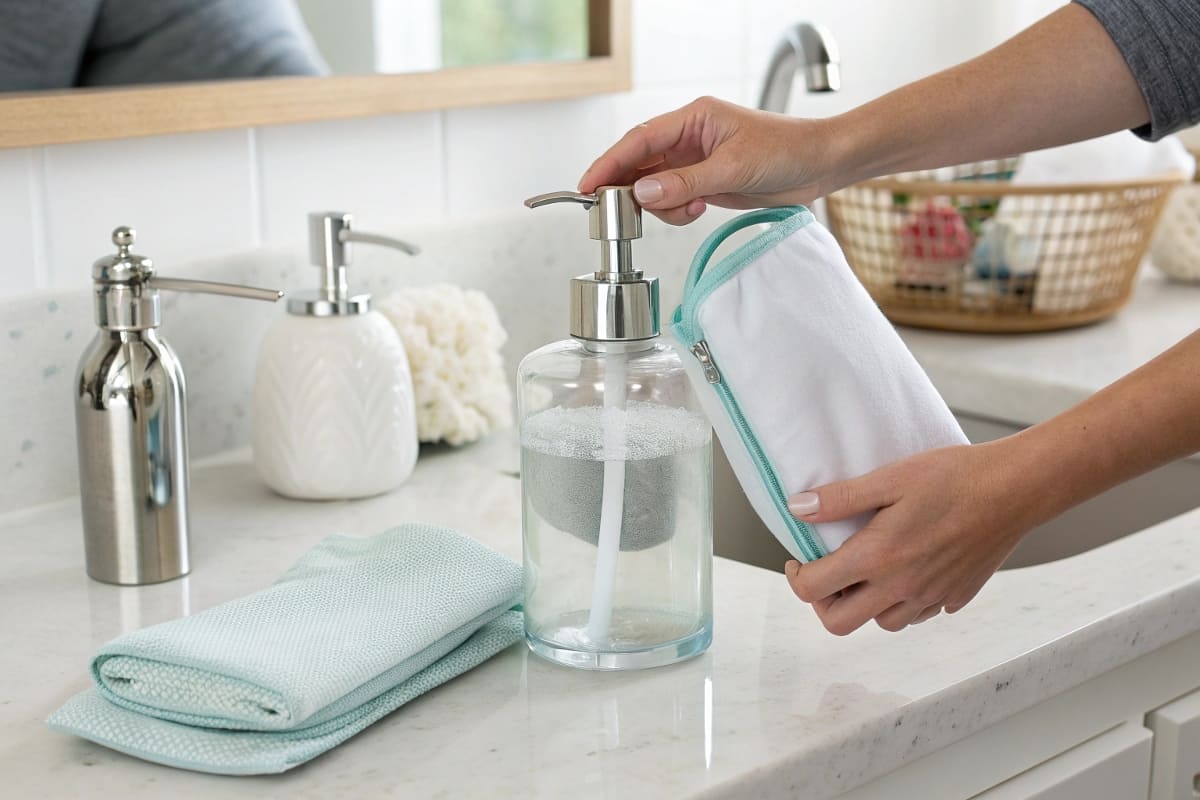
The refill model changes the entire design objective. Instead of creating a disposable package, you're now designing a permanent "home" for your product. I worked with a cleaning supply startup that understood this. They spent more money designing their primary spray bottle than on the product inside. It was beautiful, heavy-duty glass with a high-quality metal nozzle. Customers didn't see it as packaging; they saw it as a piece of home decor. Because they loved the permanent bottle, buying the cheap, simple refill pouches felt like a smart, easy choice. They made reuse desirable, not a chore. For a designer like Jacky, this is a huge opportunity: you're not just designing a package anymore, you're designing a durable product that lives in your customer's home.
Models of Reusable Packaging
There are three main ways to implement a reuse system, each with its own challenges.
- Refill at Home: This is the most popular model for e-commerce. The brand sells a durable primary container (the "mother" bottle) and subsequent lightweight refill pouches. The consumer does the refilling themselves.
- Return for Refill: This model, popularized by services like Loop, involves the customer sending the empty package back to the manufacturer to be professionally cleaned and refilled. It's the most "zero-waste" option but has significant logistical hurdles (shipping, washing).
- Refill in Store: The classic bulk-bin model. Customers bring their own containers to a physical retail location to refill products like grains, nuts, or liquids. This is great for reducing packaging but is limited to brick-and-mortar stores.
| Model | Logistics Complexity | Cost to Implement | Customer Convenience | Best For... |
|---|---|---|---|---|
| Refill at Home | Low | Low-Medium | High | Liquids (soaps, cleaners), personal care |
| Return for Refill | High | High | Low | Premium goods (ice cream, sauces), subscription boxes |
| Refill in Store | Medium | Low | Medium | Dry goods, local retail, community-focused brands |
Is Compostable Packaging a Real Solution or Just Greenwashing?
You see "100% Compostable" on everything from coffee pods to mailer bags. But then you hear they don't break down in a backyard compost pile, making you fear you’re just creating a new kind of litter.
Compostable packaging is a real solution, but only when its end-of-life is properly managed. The crucial detail is whether a material is certified for home composting or requires an industrial facility, the latter of which is not widely available.
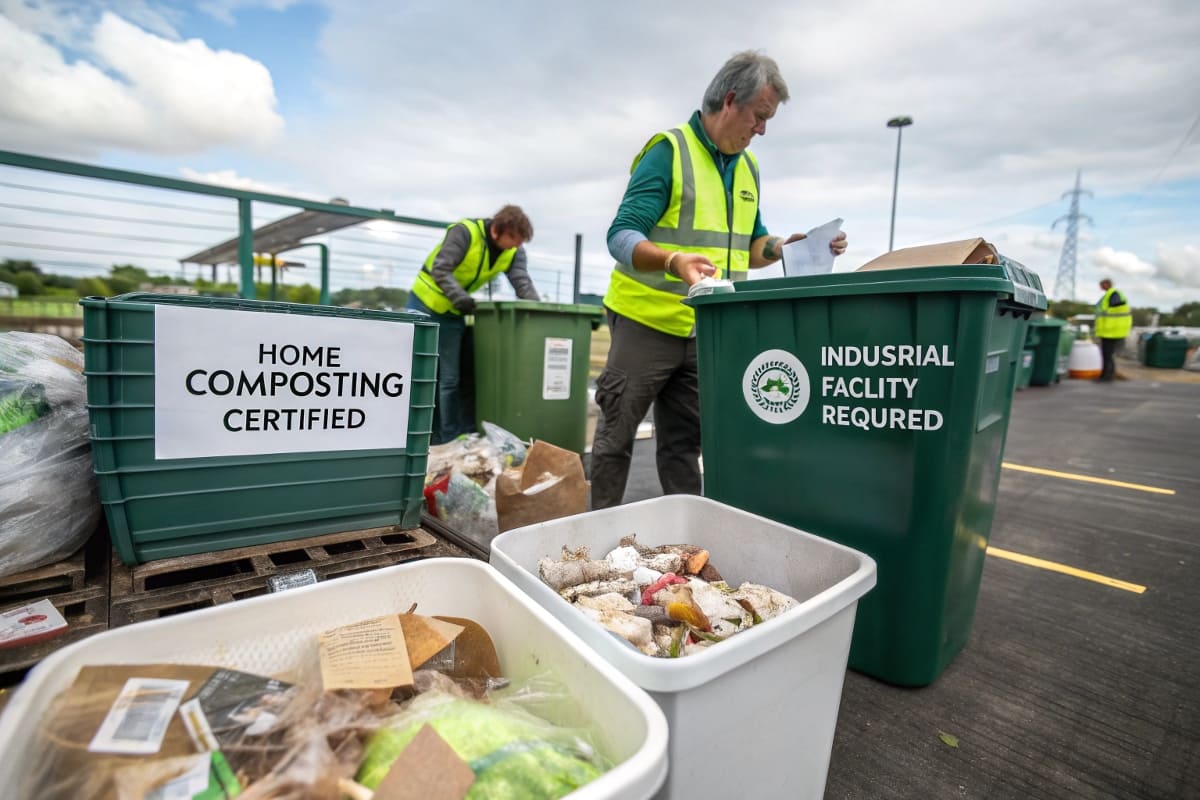
This is one of the most misleading areas in sustainable packaging. A few years ago, a client proudly presented their new "compostable plastic" pouch. They were about to launch a huge marketing campaign around it. I had to ask the hard question: "Is it certified for home or industrial composting?" They didn't know. After we checked, it turned out to be industrial-only. I then had to explain that since less than 5% of their customers likely had access to industrial composting, those pouches would end up in a landfill, where they wouldn't break down any faster than regular plastic. Worse, if a customer threw it in their recycling bin, it would contaminate the plastic stream. We avoided a disaster. Compostable is not a magic bullet; it's a technical specification that has to match the real-world infrastructure available to your customer.
Decoding "Compostable"
For a designer, using these materials responsibly means understanding the fine print.
- Industrial Composting: This requires high, sustained temperatures (130-160°F or 55-70°C) and specific conditions to break down materials like PLA (Polylactic Acid). These conditions are only met in a commercial composting facility. In a landfill or backyard pile, they will persist for years.
- Home Composting: This certification means the material can break down at the lower, variable temperatures of a typical backyard compost bin. Materials like some starch-based plastics and certain paper products often qualify. This is the more accessible and arguably more "zero-waste" option for most brands.
- The Contamination Risk: The biggest danger is confusion. A well-meaning customer throws a PLA cup in the recycling bin, thinking "it's plastic." At the recycling facility, that PLA can ruin an entire batch of valuable PET plastic, rendering it worthless. Clear on-pack communication is not just nice to have; it's a critical responsibility.
Conclusion
Zero-waste packaging is the ambitious next frontier. Success lies not in finding one perfect solution, but in smartly applying reusable systems for long-term products and correctly sourced compostable materials for single-use items.