What Makes a Great Cannabis Packaging Supplier?
You feel like you're flying blind with your supplier. Communication is poor, you're unsure if they truly understand the complex regulations, and any small problem feels like a major crisis.
A great cannabis packaging supplier provides three things: proactive regulatory guidance1, robust engineering and material expertise2, and a transparent, reliable supply chain. They don't just sell you packaging; they provide a service that protects and elevates your brand.
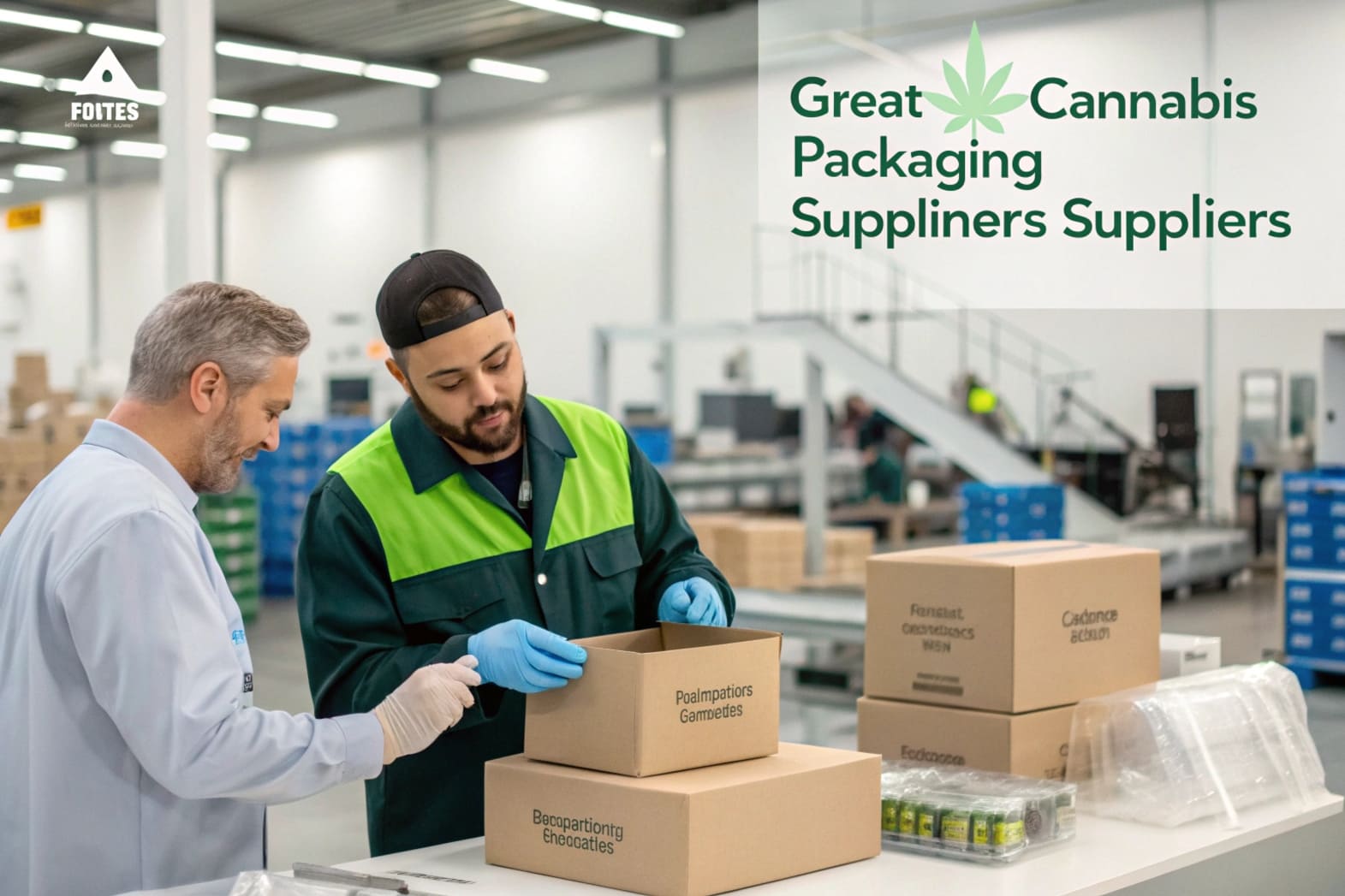
Choosing a supplier is more like hiring a critical team member than buying a commodity. I've guided many brands through this process, and the most successful ones always choose a partner, not just a vendor. The difference is that a partner anticipates problems, while a vendor just reacts to them. For a packaging professional like Jacky, having a supplier who can offer engineering insights and foresee logistical hurdles is invaluable. They need a partner who can execute a vision flawlessly and reliably. Let's explore the key qualities that separate the great suppliers from the merely adequate.
You assume your supplier has compliance under control. But when a new regulation is passed, they are just as surprised as you are. Now you're both scrambling, and your production comes to a halt.
A great supplier proactively navigates the regulatory landscape for you. They track upcoming legislative changes and advise you on future-proofing3 your designs, rather than simply reacting to current laws. They act as your compliance vanguard4.

There's a huge difference between being compliant today and staying compliant tomorrow. I once had a new client come to me in a panic because their supplier in another country produced 200,000 tins that were suddenly non-compliant due to a change in warning label requirements. The supplier said, "You approved the design." A true partner would have been tracking that legislation and warned the client months in advance. Your supplier should be your eyes and ears on the ground, especially with international production. They should be able to tell you not just what the rules are now, but where they are likely heading.
Proactive vs. Reactive Compliance
A proactive partner saves you time, money, and massive headaches. They integrate regulatory foresight into their service.
- Monitoring Service: Ask if they have a dedicated person or service for tracking regulatory updates across different states and countries. A professional operation will.
- Design Consultation: A great supplier will review your artwork not just for print quality, but for compliance. They might flag a font size that's too small or a missing symbol based on the rules in your specific market.
- Future-Proofing: They might suggest a design that leaves space for a future sticker or uses a material that is compliant across multiple states, giving you more flexibility as you expand. This strategic thinking is the sign of a true expert.
| Reactive Supplier (Vendor) | Proactive Supplier (Partner) |
|---|---|
| "Send us your artwork and we will print it." | "Let's review your artwork against the latest Illinois rules." |
| "We aren't lawyers, we can't give legal advice." | "We're seeing a trend towards this CR mechanism in new laws." |
| Is surprised by new regulations. | Informs you about upcoming regulatory changes. |
Can they balance material science5 with your budget?
Your supplier offers you a "premium" option that's incredibly expensive and a "budget" option that feels cheap. There's no middle ground, and they can't explain why one material is better than another for your specific product.
A superior supplier understands material science5. They can explain the pros and cons of different polymers, paperboards, and adhesives, and help you select the most cost-effective material that still meets your performance and branding needs.

This is where engineering expertise really shows. A packaging designer like Jacky doesn't just want a box; he wants the right box. I often consult with clients who are overpaying for packaging because a supplier sold them on an unnecessarily thick or complex material. Conversely, some try to save money with a cheap Mylar bag, only to find it doesn't protect the terpenes in their flower. A great supplier would ask, "What is your product's shelf-life goal? Does it need an oxygen barrier? A moisture barrier?" They should then be able to suggest a specific laminate structure, justify its cost, and explain its benefits clearly.
The Smart Material Conversation
Your supplier should be able to lead a technical conversation that helps you make a smarter choice.
- Barrier Properties: For flower, edibles, or concentrates, the right barrier is crucial for preserving freshness, potency, and flavor. Your supplier should be able to discuss Oxygen Transmission Rate (OTR) and Water Vapor Transmission Rate (WVTR) of their materials.
- Structural Integrity: For boxes and cartons, they should be able to recommend the right paperboard thickness (e.g., 18pt vs. 24pt C1S) based on your product's weight and the rigors of the supply chain.
- Cost-Engineering: This is the key. They might suggest a slightly thinner but stronger material, or a different printing technique that achieves a similar look for less money. This demonstrates they are thinking about your total cost, not just their profit margin.
Is their supply chain an asset or a liability?
You approved the sample three months ago, but your packaging is still "in production." The supplier gives you vague updates and shifting delivery dates, making it impossible for you to plan your product launch and manage inventory.
A top-tier supplier has a transparent and resilient supply chain. They provide clear lead times, offer proactive updates, and have contingency plans for potential delays. Their logistical competence6 becomes a competitive advantage for your brand.

Especially when manufacturing overseas, the supply chain is everything. A low price means nothing if the goods are stuck at a port for six weeks. I've built my business by being obsessionally transparent about logistics. If there's a problem at the factory or a delay in shipping, my clients are the first to know, along with a proposed solution. Uncertainty is what kills businesses. A reliable supplier gives you certainty. They understand that you have production schedules to meet and retail partners to keep happy. Their logistics team should be as strong as their sales team.
Evaluating Supply Chain Reliability
You need to ask tough questions about their process before you place an order.
- Quoted Lead Times: Ask for their standard lead times for production and shipping, broken down by stage (e.g., 2 weeks for tooling, 4 weeks for production, 5 weeks for ocean freight).
- Communication Protocol: Who is your point of contact? How often will you receive updates once an order is placed? Will you get a notification when production starts, when it finishes, and when it ships?
- Contingency Planning: Ask them directly: "What happens if there is a raw material shortage? What is your backup plan if a port is congested?" Their answers will reveal how prepared they are for the inevitable challenges of global logistics.
| Weak Supply Chain | Strong Supply Chain |
|---|---|
| Vague, shifting lead times. | Clear, milestone-based production timeline. |
| "We'll let you know when it ships." | Proactive updates at every stage. |
| Goes silent when there is a problem. | Immediately communicates issues with a solution. |
| No backup plan for delays. | Has alternative shipping routes or material sources. |
Conclusion
A great cannabis packaging supplier moves beyond being a simple vendor to become a strategic partner7. By prioritizing their proactive compliance, material expertise, and supply chain transparency, you secure a foundation for your brand's success.
Understanding proactive regulatory guidance can help you choose a supplier who anticipates changes and keeps your brand compliant. ↩
Explore how engineering and material expertise can enhance your packaging quality and brand image. ↩
Future-proofing your designs can save you from costly redesigns as regulations change. ↩
Learn how a compliance vanguard can protect your business from regulatory pitfalls. ↩
Understanding material science can help you choose the best packaging for product preservation. ↩
Logistical competence can be a competitive advantage, ensuring timely delivery and reliability. ↩
Choosing a strategic partner over a vendor can elevate your brand and streamline operations. ↩