What Are the Top Eco-Friendly Labeling Solutions for Cannabis Packaging?
You’ve sourced the perfect sustainable container1, but now you need a label. You worry that a standard sticker will just create more waste or even ruin the container's recyclability.
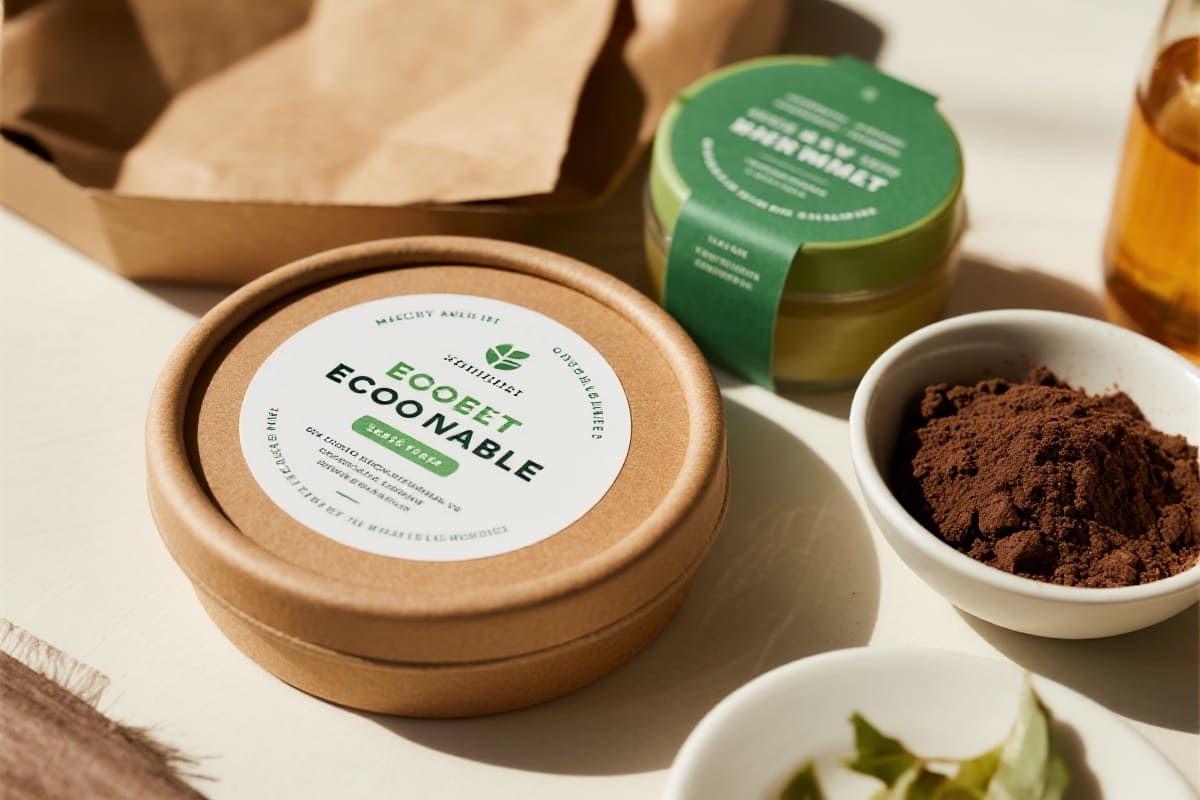
The top eco-friendly labeling solutions2 are direct printing3 to eliminate waste entirely, wash-away labels4 for recyclable containers like glass and PET, and certified compostable labels5 that match a compostable package.
<sup id=](https://whatapackaging.com/wp-content/uploads/2025/10/4.jpg) 6, another jar with a wash-away paper label dissolving in water, and a compostable pouch with a compostable label." title="Matching the Eco-Label to the Package Type" />
6, another jar with a wash-away paper label dissolving in water, and a compostable pouch with a compostable label." title="Matching the Eco-Label to the Package Type" />
I had a client who was so proud of their new edibles packaging. They invested in beautiful, heavy glass jars—a fantastic, infinitely recyclable choice. But then they chose a "compostable" PLA label7 because it sounded green. The problem? That PLA label and its strong adhesive wouldn't come off in the glass recycling process. It was a contaminant. Their good intentions actually downgraded their premium recyclable jar into trash. This is the critical lesson: the label must match the end-of-life of the container it’s on, otherwise, you're just making the problem worse.
Is Direct Printing the Most Sustainable Option?
You want to eliminate label waste entirely by printing on the container. But you're worried about high costs, design limitations, and whether it’s practical for multiple product SKUs.
Yes, direct printing is often the most sustainable choice as it removes the need for label stock, adhesive, and liner waste. However, its practicality depends heavily on your order volume and container complexity.
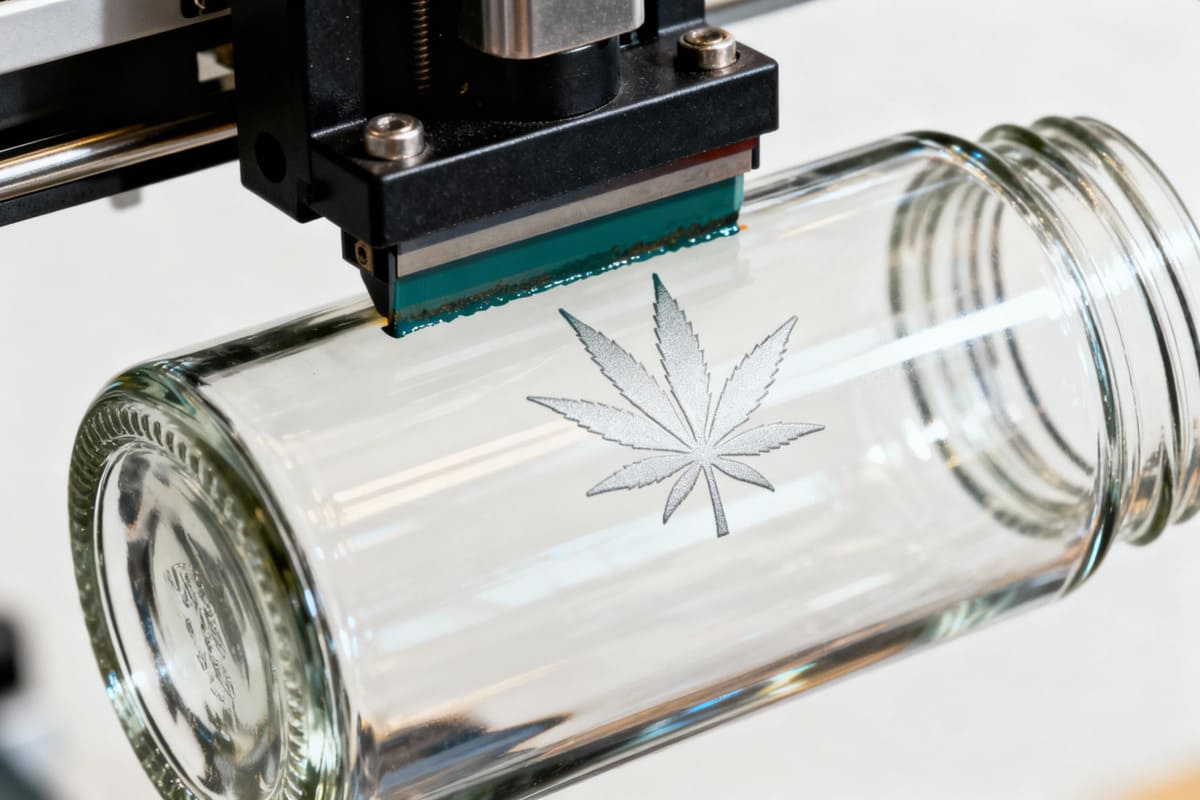
From a pure waste-reduction standpoint, you can't beat direct printing. There is no label, no backing liner to throw away, and no adhesive. It creates a seamless, premium look that can't peel or smudge. But as a manufacturer, I can tell you it's not a simple solution. The two main methods are screen printing and digital printing. Screen printing is like using a stencil, great for simple, bold graphics in one or two colors. It has high setup fees for each color screen, making it best for high-volume, single-design runs. Direct digital printing is newer technology that works like an inkjet printer for objects, allowing for full-color, complex graphics with no setup fees. The catch is that the per-unit cost is higher and the process is slower. For a designer like Jacky, the choice depends entirely on the project's scale and design complexity.
Comparing Direct Printing Methods
Both methods eliminate label waste but serve different needs.
| Feature | Screen Printing | Direct Digital Printing |
|---|---|---|
| Best For | High-volume runs (10,000+) with simple 1-2 color logos. | Low-to-mid volume runs or designs with many colors/gradients. |
| Setup Cost | High (a new screen is needed for each color). | Low to none. |
| Per-Unit Cost | Very low at high volumes. | Medium to high, consistent across all volumes. |
| Design Complexity | Limited. Poor for photos or complex gradients. | Virtually unlimited. Can print full-color photos. |
| Durability | Extremely durable. Ink is thick and chemically bonded. | Good durability, but can be susceptible to scratching. |
How Do You Choose a Label That Doesn't Ruin Recyclability?
You've chosen a recyclable glass or plastic jar. But you know that a standard, permanent label can contaminate the material, sending the whole package to the landfill.
Use a "wash-away" label. These are engineered with special adhesives that dissolve in the hot caustic bath used by recyclers, allowing the label to separate cleanly without leaving residue or contaminating the material stream.
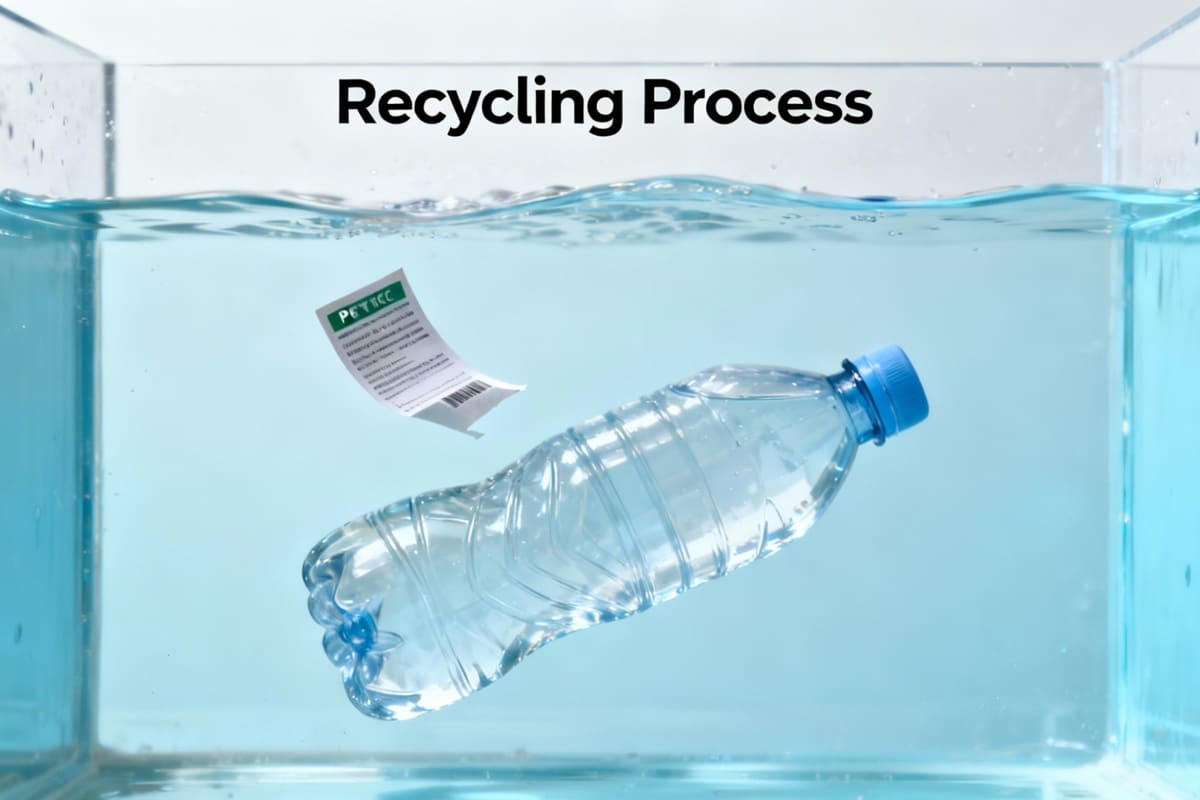
This is one of the most important innovations for any brand serious about sustainability. For years, this was the recycler's nightmare: a perfect batch of clear PET plastic flakes contaminated by a colorful paper or plastic label that wouldn't come off. Wash-away labels solve this problem directly. The key is the adhesive, not just the label paper itself. Companies like Avery Dennison have developed "CleanFlake" technology for PET, and similar solutions exist for glass. When the container arrives at the recycling facility and is ground up and washed, the adhesive releases its grip. The plastic label material floats to the top of the bath, while the heavier PET or glass flakes sink, allowing for perfect separation. It’s a brilliant piece of engineering that allows you to use a beautiful, full-color label without compromising the integrity of your recyclable packaging. For Jacky, this is the default choice for any PET or glass container.
Key Considerations for Recyclable-Friendly Labels
- Specify the Right Adhesive: Always ask your supplier for a wash-away or recycling-compatible adhesive8 certified for the specific container material (PET, glass, HDPE).
- Material Matters: For clear PET containers, a plastic film label (like polypropylene) with wash-away adhesive is often best, as it floats for easy separation. For glass, paper labels with dissolvable adhesive work well.
- Avoid Contaminants: Steer clear of metallic inks or foil elements on the label itself, as these can sometimes be detected as metal contaminants in the recycling stream.
What If Your Whole Package Is Compostable?
Your packaging is designed to break down in a compost pile. You need a label that does the same, but you're concerned about performance, print quality, and official certification.
You must use a certified compostable label with a certified compostable adhesive. Common materials include PLA, sugarcane (bagasse), or other cellulose-based films9 that are designed to biodegrade alongside the main package.
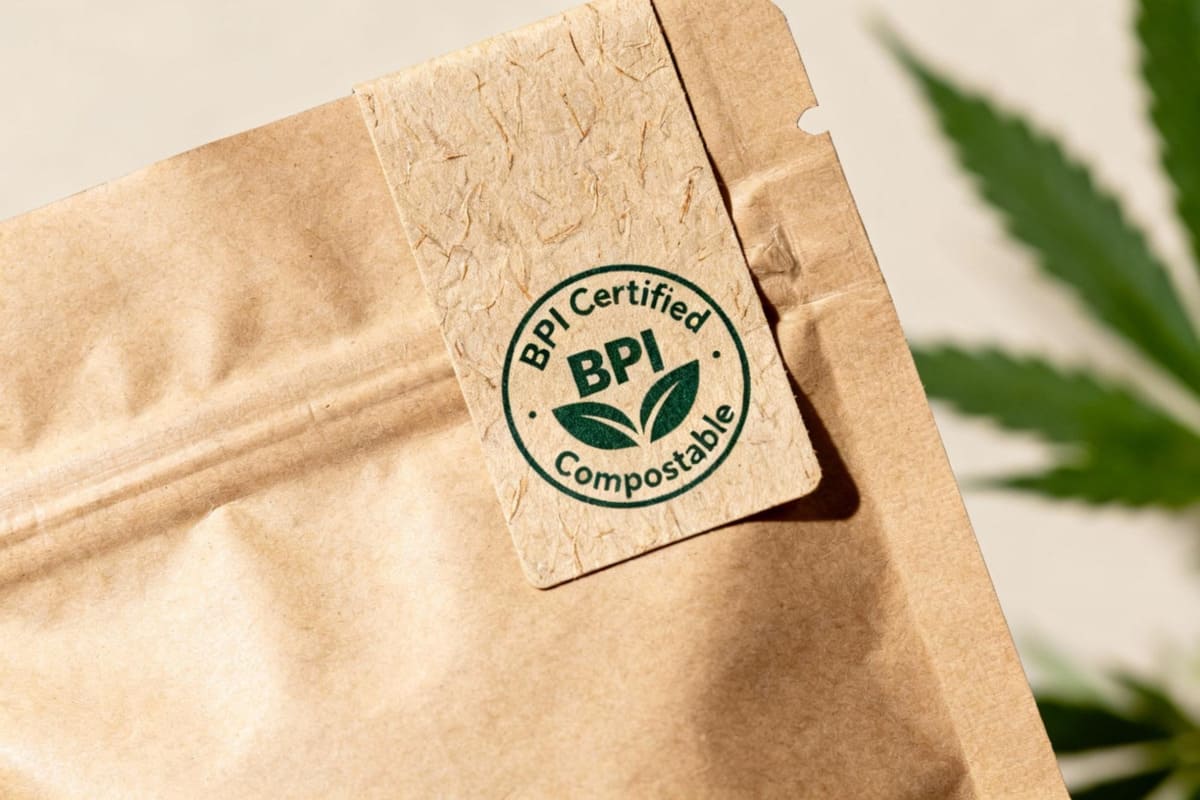
This is where the rule "match the end-of-life" is absolute. If your bag or container is compostable, every single part of it must be, including the label and its adhesive. Using a standard paper or plastic label turns the whole thing into trash. The best materials for this are paper labels made from sugarcane fiber (called bagasse) or films made from Polylactic Acid (PLA), a corn-based bioplastic. The key, however, is certification. You can't just take a supplier's word for it. Look for official certification marks from bodies like the Biodegradable Products Institute (BPI) or TÜV AUSTRIA. This confirms the entire label construction—face stock, adhesive, and even the inks—has been tested and proven to safely break down in an industrial compost facility10 within a specific timeframe. For Jacky, this isn't just a design choice; it's a non-negotiable technical requirement for making a legitimate environmental claim11.
A Quick Guide to Compostable Label Materials
| Material | Source | Best For | Key Considerations |
|---|---|---|---|
| PLA (Polylactic Acid) | Corn starch or other plant starches. | Flexible pouches and containers. Gives a smooth, plastic-like finish. | Can be sensitive to heat and moisture. Only compostable in industrial facilities. |
| Bagasse (Sugarcane) | Fibrous waste from sugarcane processing. | Rigid containers and boxes. Has a natural, fibrous, high-end paper look. | Highly absorbent, may require a protective coating for some printing methods. |
| Cellulose Films | Wood pulp or other plant-based cellulose. | Versatile for many applications, can be crystal clear like traditional plastic film. | Performance can vary by manufacturer; certification is crucial. |
Conclusion
The best eco-friendly label is one that works in harmony with its container. Match the solution—direct printing, wash-away labels, or compostable materials—to the package's specific end-of-life to create a truly sustainable product.
Explore the features that define a sustainable container and how they contribute to eco-friendly practices. ↩
Explore innovative labeling options that minimize waste and enhance sustainability in cannabis packaging. ↩
Learn how direct printing can eliminate label waste and improve the recyclability of your packaging. ↩
Discover how wash-away labels can prevent contamination in recycling and support sustainability. ↩
Understand the significance of certified compostable labels in ensuring true sustainability for compostable packaging. ↩
Discover the benefits of screen printing in creating durable and high-quality packaging designs. ↩
Find out the implications of using PLA labels on recyclable containers and their environmental impact. ↩
Understand the importance of using recycling-compatible adhesives for sustainable packaging. ↩
Explore the versatility of cellulose-based films in creating eco-friendly packaging solutions. ↩
Learn about the processes in industrial compost facilities and their role in compostable packaging. ↩
Learn how to make credible environmental claims in packaging through proper certification and materials. ↩