
What Are the Go-To Packaging Choices for Cannabis Products?
Choosing the right cannabis packaging is overwhelming. Pick the wrong one and you risk spoilage, compliance failure1, or a poor brand impression. Discover the industry-standard options to make the perfect choice.
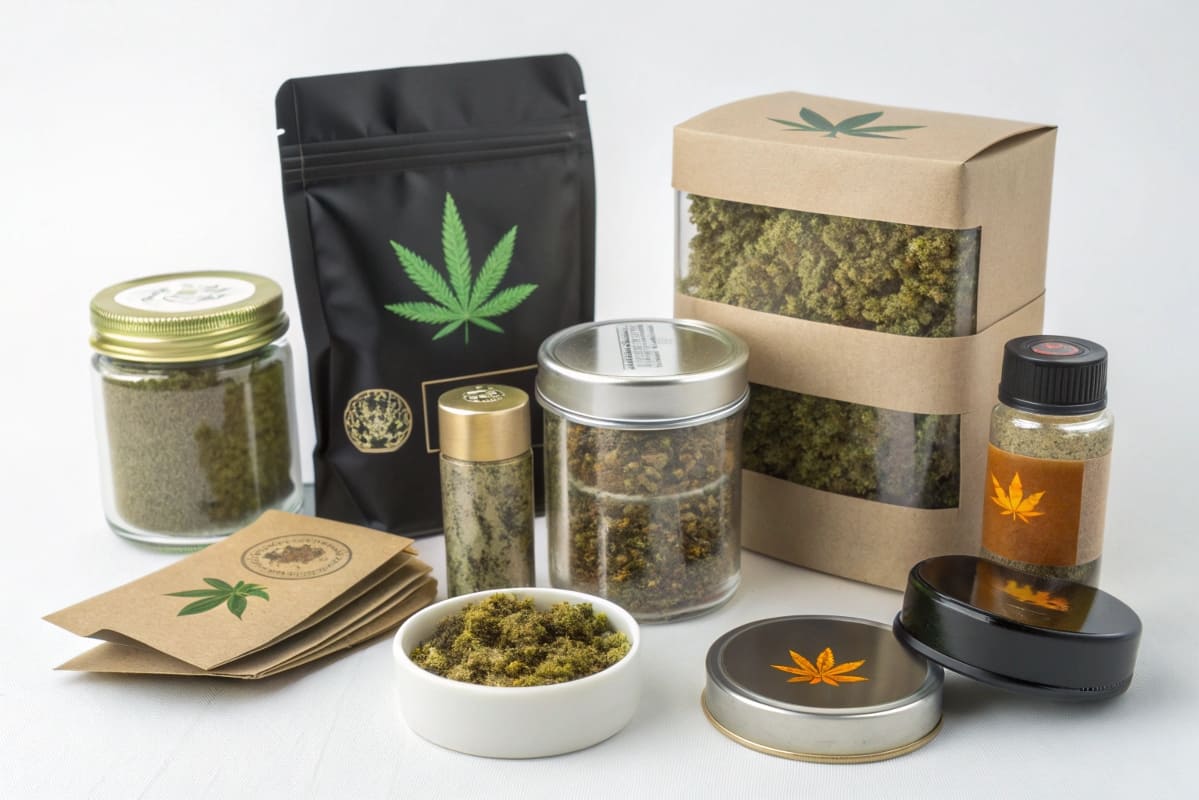
The most common cannabis packaging includes resealable Mylar bags2 and glass jars3 for flower, child-resistant tubes4 for pre-rolls, and certified pouches5 and tins for edibles6. These options are chosen for their ability to meet strict compliance rules while balancing product preservation7, branding potential8, and cost.
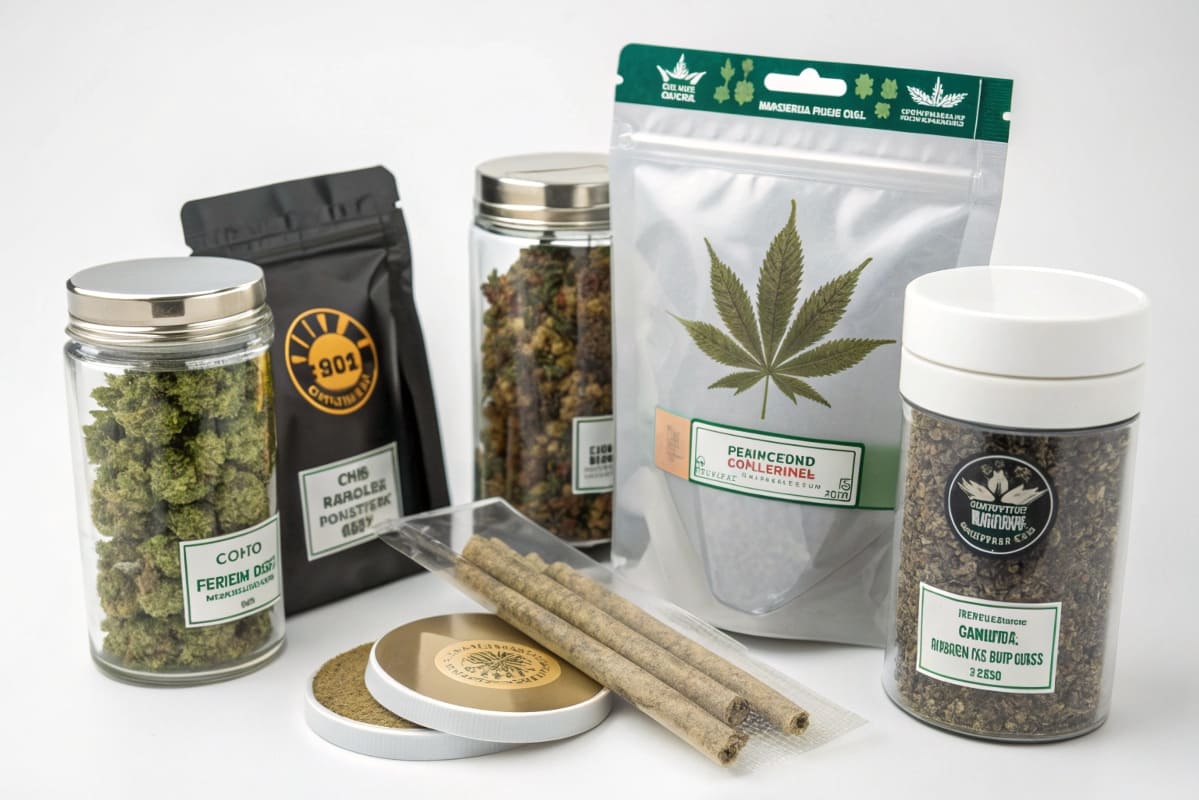
Selecting a package isn't just a creative decision; it's a strategic one that impacts your entire business. I’ve seen beautiful product concepts fail simply because the chosen packaging didn't preserve the product or meet child-resistance standards. For a professional designer like Jacky, the package is the bridge between the product and the consumer. It has to perform multiple jobs at once: protect the contents, comply with the law, communicate the brand, and provide a good user experience9. The industry has settled on a few go-to solutions for each product type for very good reasons. Let's break them down.
How Should You Package Cannabis Flower?
Your premium flower needs to stay fresh and potent, but standard options can crush buds and destroy aromas. You need a solution that protects quality and offers a great shelf presence.
Glass jars and multi-layer flexible bags10 (Mylar bags) are the top choices. Jars offer a premium, reusable experience and excellent preservation, while high-barrier bags11 provide superior branding real estate and are more cost-effective for transport and storage.
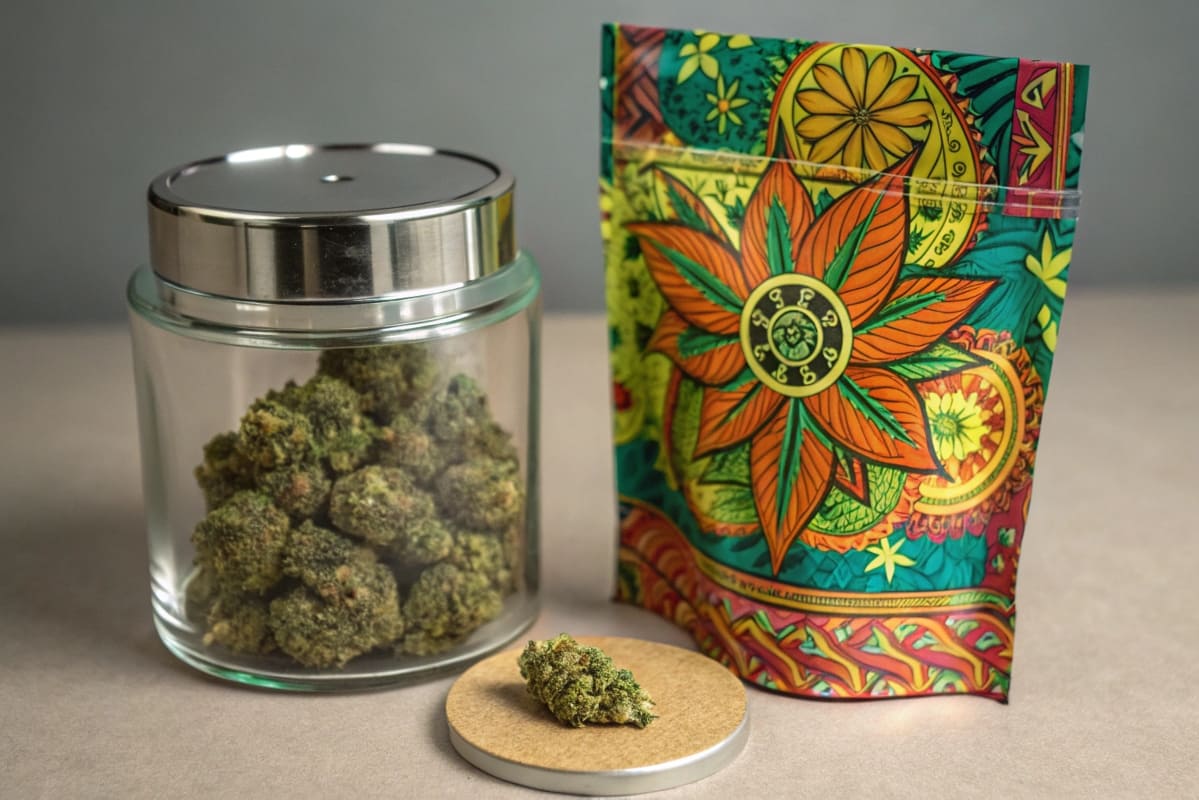
This is the classic packaging dilemma I discuss with nearly every flower brand. There's no single right answer; the choice depends on your brand positioning and budget. Glass jars immediately signal a premium product12. Consumers can see the buds, and the rigid structure offers maximum physical protection. They are heavy and more expensive, but the perceived value is unmatched. On the other hand, flexible bags have become incredibly popular due to their versatility. They offer a huge, flat canvas for stunning graphics, are lightweight, and can be made with advanced barrier films to control oxygen and moisture. Most importantly, both can be fitted with certified child-resistant closures, making them compliant.
Jars vs. Bags: A Head-to-Head Comparison
| Feature | Glass Jars | Flexible (Mylar) Bags |
|---|---|---|
| Brand Perception | Premium, high-end, classic. | Modern, versatile, casual to premium. |
| Product Protection | Excellent. Rigid, airtight, and protects against crushing. | Good to excellent. Protects from light/air but not from crushing. |
| Child-Resistance (CR) | Achieved with a certified CR cap. | Achieved with a certified CR zipper/closure. |
| Branding & Graphics | Limited to a label or screen printing on the cap/jar. | Excellent. Full-surface, high-definition printing is possible. |
| Cost & Logistics | Higher cost, heavier, fragile during shipping. | Lower cost, lightweight, ships and stores flat. |
| Sustainability | Highly recyclable and often reused by consumers. | Often multi-material, making them difficult to recycle. |
What's the Best Way to Package Pre-Rolls?
Your perfectly crafted pre-rolls are fragile and need to be protected from being crushed or drying out. A simple box won't do the job, and you need a compliant, portable solution.
The industry standard for pre-rolls is the child-resistant "doob tube13." For multi-packs, these tubes are often bundled inside a secondary container14 like a slider box or a hinged-lid tin, which also provides more space for branding.
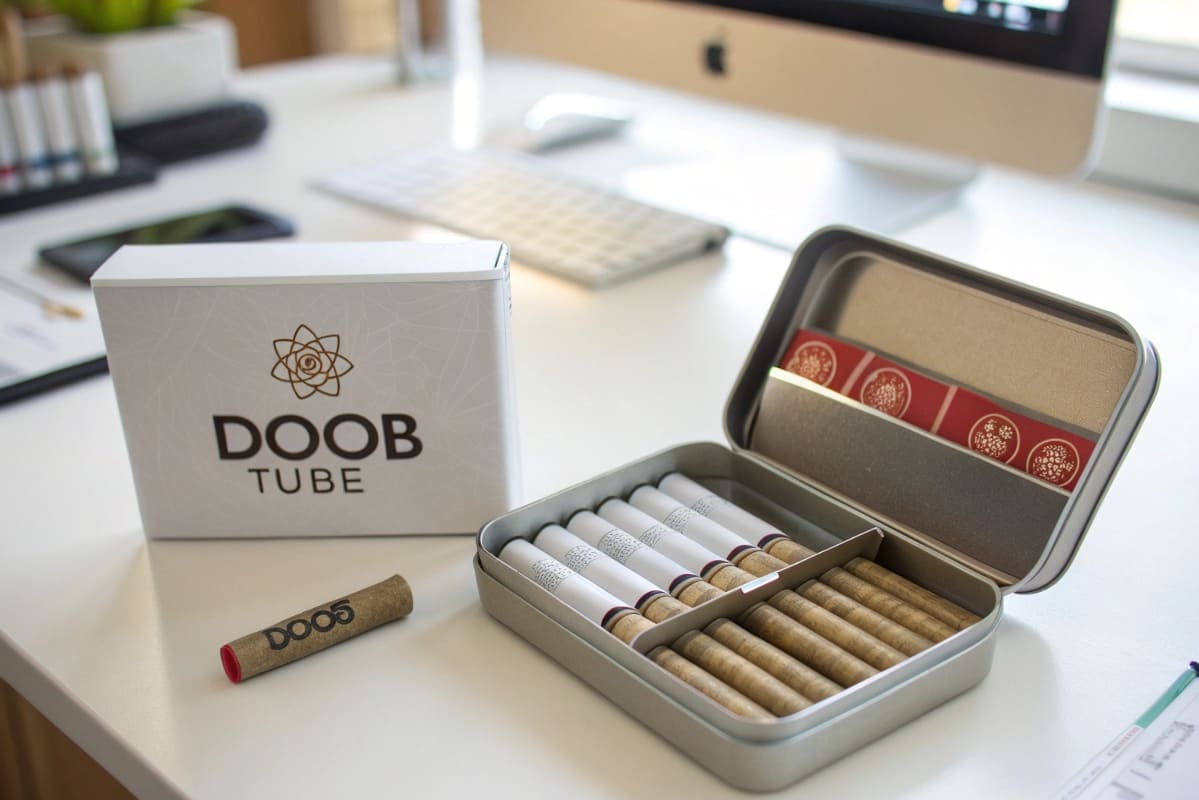
The first priority for pre-rolls is structural protection15. No one wants to buy a product that's bent or broken before they even open it. This is why the rigid tube is king. Typically made from plastic, these tubes are cost-effective, durable, and come in certified child-resistant "pop-top" or screw-top formats. They effectively seal the pre-roll, preserving its freshness. For single pre-rolls, the tube itself is the final package. For selling packs of 3, 5, or more, brands use these tubes as primary containers and then design a more elaborate secondary package. This multi-pack approach is where designers like Jacky can really shine, using beautifully printed tins or paperboard boxes to create a strong brand statement on the shelf.
Single vs. Multi-Pack Strategy
| Packaging Type | Primary Use | Branding Potential | User Experience |
|---|---|---|---|
| Single Pre-Roll Tube | "Grab-and-go" singles. | Limited to a small sticker label. | Discreet, portable, and preserves freshness. |
| Multi-Pack Tins | Packs of 3-10+. | Excellent; large printable surface. | High perceived value, reusable, durable. |
| Slider Boxes | Packs of 3-5+. | Very good; offers a premium unboxing feel. | Elegant and provides good protection. |
| Mylar Bags | Low-cost multi-packs. | Excellent; cost-effective for branding. | Can risk crushing if not handled carefully. |
How Do You Package Edibles and Concentrates?
Your edibles and concentrates have strict potency rules and are often the most attractive to children. You need packaging that is absolutely secure, compliant, and maintains product integrity.
Child-resistant resealable pouches and tins are the universal solution for edibles and concentrates. Pouches are perfect for gummies and small items, while small glass or silicone jars inside CR boxes are standard for high-end concentrates like waxes and resins.
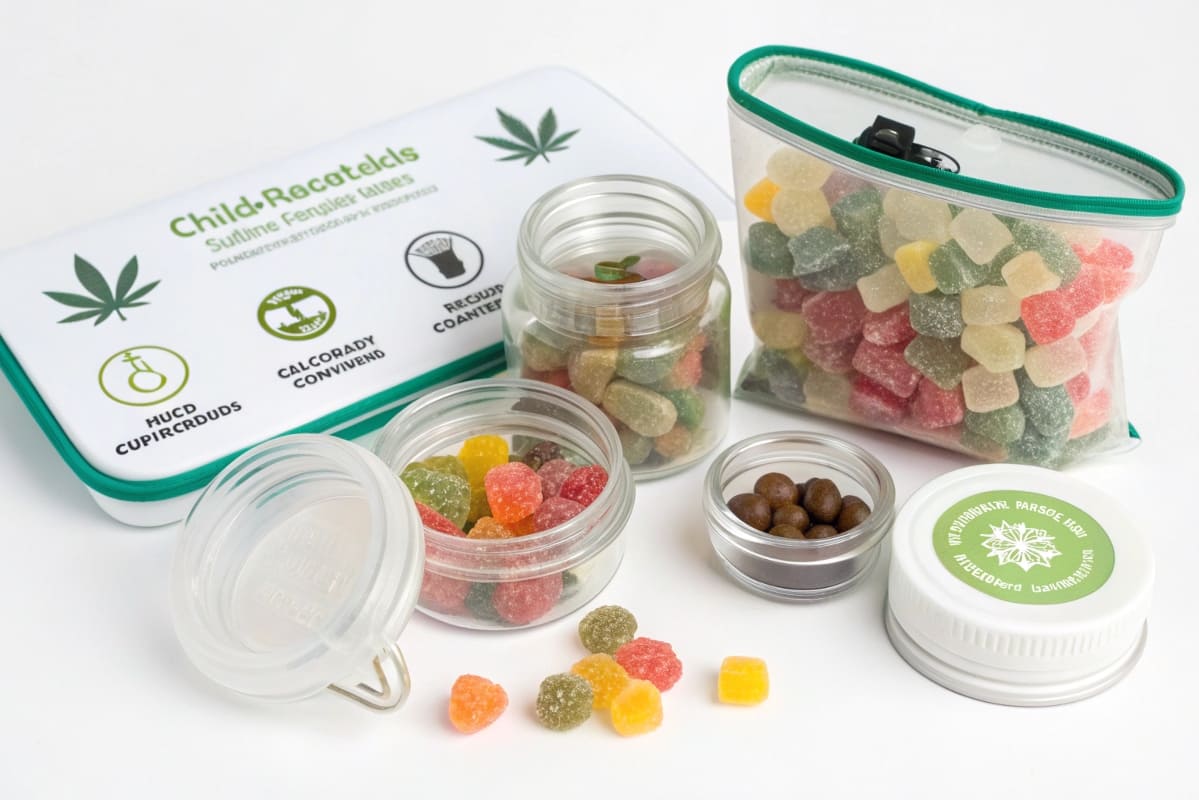
When it comes to edibles and concentrates, compliance is everything. Regulators are laser-focused on preventing accidental ingestion by minors. This is why you see a heavy reliance on packaging that has passed rigorous child-resistance certification16 tests (16 CFR § 1700.20). Opaque, resealable pouches with CR zippers are the workhorse for gummies, mints, and other small edibles. For chocolate bars, we often use a flow-wrap for freshness inside a certified CR paperboard box. For concentrates, the goal is preservation and safety. We start with a tiny, inert primary container like a glass or silicone jar to hold the product, and then place that inside a secondary package—like a tin or box—that has the certified CR feature. This two-part system ensures both product quality and legal compliance.
Formats for Edibles and Concentrates
| Product Type | Common Packaging Format | Key Considerations |
|---|---|---|
| Gummies/Mints | Child-Resistant Stand-Up Pouch (Mylar) | Opaque material required in most regions; resealability is key. |
| Chocolates | CR Paperboard Box with inner wrapper. | Offers premium feel and good branding space. |
| Beverages | Resealable CR Can or Bottle with CR Cap. | Complex CR mechanism; requires specialized equipment. |
| Concentrates (Wax/Shatter) | Small Glass Jar inside a CR Box/Tin. | The glass jar must have a non-reactive liner to preserve terpenes. |
| Vape Cartridges | CR Blister Pack or CR Paperboard Box. | Must securely hold the cartridge and prevent activation. |
Conclusion
The right cannabis package protects your product, meets legal standards, and builds your brand. By choosing from these industry-proven options—jars, bags, tubes, and tins—you create a foundation for a successful and compliant product launch.
Understand the potential consequences of non-compliance in cannabis packaging and how to avoid them. ↩
Explore how resealable Mylar bags can enhance product preservation and branding for cannabis. ↩
Discover the benefits of using glass jars for cannabis, including preservation and premium branding. ↩
Learn about the significance of child-resistant tubes in ensuring safety and compliance in cannabis packaging. ↩
Find out how certified pouches ensure safety and compliance for cannabis edibles. ↩
Understand the advantages of using tins for packaging cannabis edibles, including safety and branding. ↩
Explore the importance of product preservation in maintaining cannabis quality and freshness. ↩
Learn how effective packaging can enhance branding and consumer perception in the cannabis industry. ↩
Discover how user experience influences consumer satisfaction and brand loyalty in cannabis. ↩
Find out how multi-layer flexible bags provide cost-effective and versatile solutions for cannabis packaging. ↩
Find out how high-barrier bags protect cannabis products from environmental factors. ↩
Explore the characteristics that make cannabis products premium and how packaging plays a role. ↩
Discover the features and benefits of doob tubes for packaging pre-rolls in the cannabis industry. ↩
Learn about the role of secondary containers in enhancing protection and branding for cannabis products. ↩
Learn about the significance of structural protection in ensuring the integrity of cannabis products. ↩
Learn about the standards and importance of child-resistance certification for cannabis products. ↩