Unboxing Experience: Can It Really Shape Your Brand Story?
You've spent months perfecting a product, only to see it shipped in a generic box. It feels like a missed opportunity, a final chapter left unwritten, failing to connect with the customer.
Yes, the unboxing experience is a powerful final touchpoint that transforms a transaction into a memorable event. It uses physical sensations and a structured reveal to tell your brand story, creating an emotional connection that builds real customer loyalty.
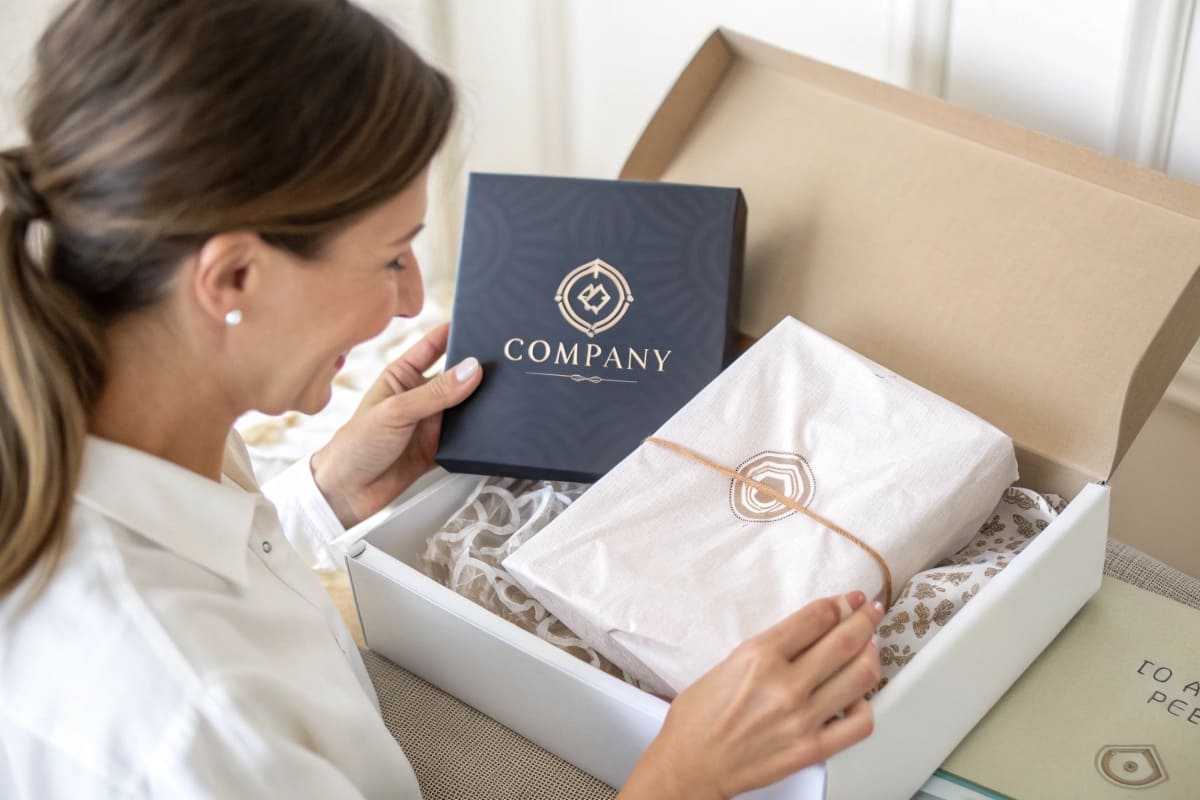
I once worked with a client selling high-end wireless earbuds. Their product was fantastic, but it came in a flimsy tuck-end box that just felt cheap. We redesigned the packaging to be a rigid, book-style box with a magnetic closure. Inside, the earbuds rested in a precise, custom-molded pulp insert, with a small tab to lift them out. The cost per unit went up by about a dollar. But their unsolicited social media mentions tripled. Customers filmed the unboxing. They talked about how it "felt like Apple." That one-dollar investment didn't just protect the product; it validated the customer's purchase and turned them into voluntary brand ambassadors. That's not marketing fluff; that's a measurable return.
How Do You Design an Unboxing "Narrative"?
You understand the concept, but "designing an experience" feels abstract. It seems like more than just adding tissue paper, but you don't know where to start building a structured sequence.
Design the unboxing like a story with a beginning, middle, and end. Map the customer's physical journey from the outer shipper to the product itself, using layers, textures, and reveals to build anticipation and reinforce quality.
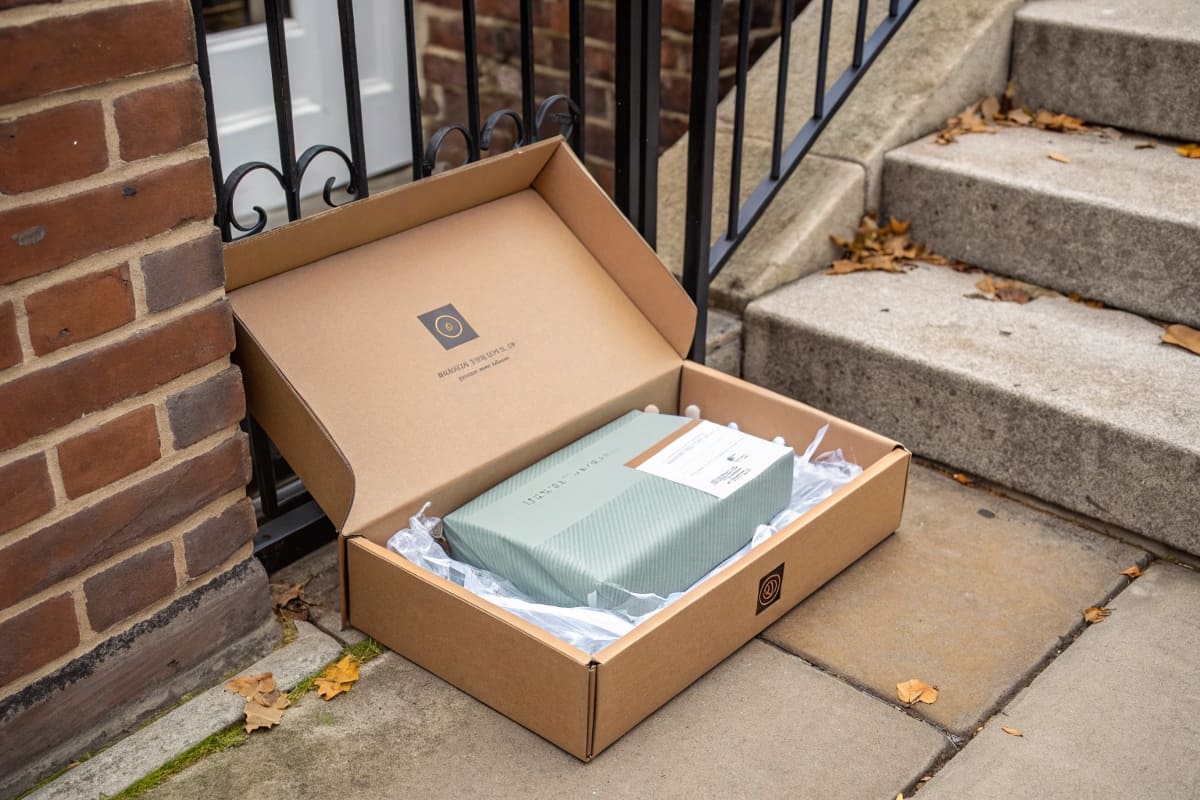
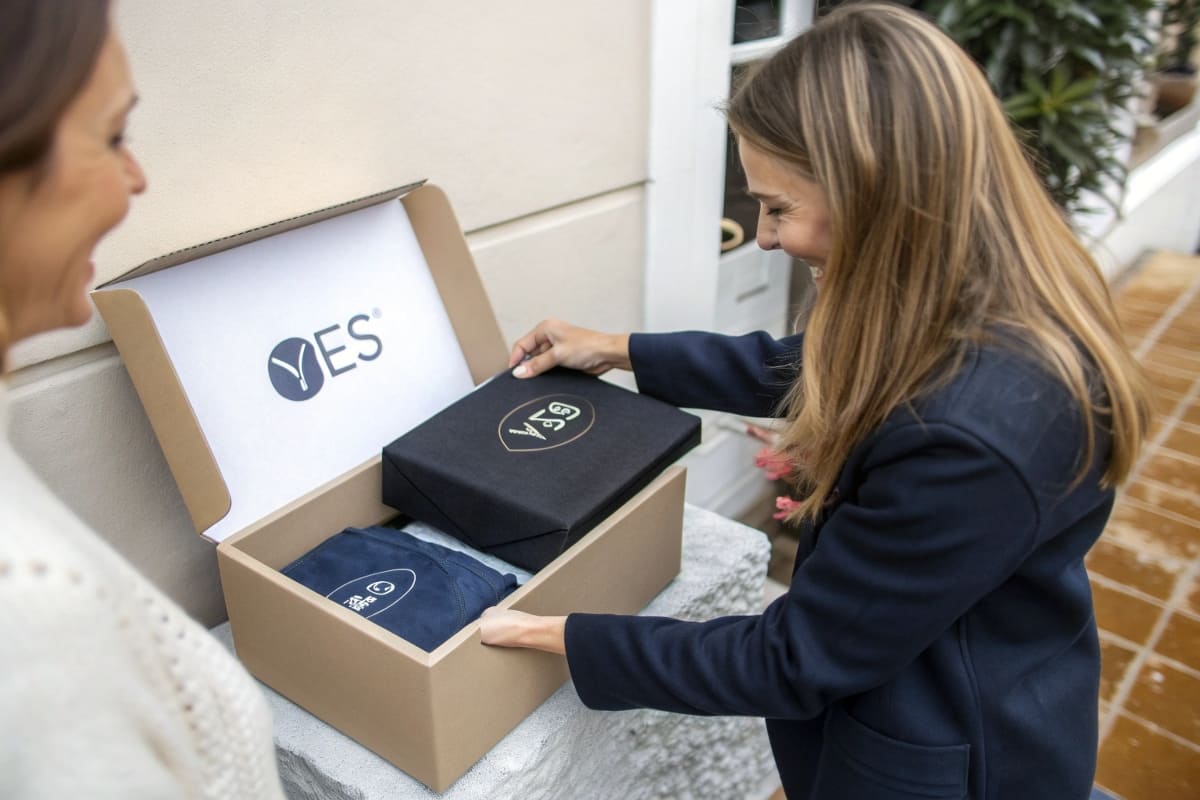
Think of yourself as a film director, but your medium is paper and board. The customer is your audience. The first touch—the outer box—is your opening scene. Is it rough, eco-friendly kraft paper that says "we're natural and sustainable"? Or a sleek, smooth-coated box that whispers "luxury"? Then comes the second act: the reveal. As they open the box, what do they see? A sea of packing peanuts, or carefully folded custom tissue paper sealed with a sticker? Is there a "Welcome" or "Thank You" card resting on top? This moment of pause builds excitement. The final act is the product presentation. It shouldn't be loose in the box; it should be perfectly nested, presented like a jewel. Each step is a chance to communicate your brand's values without saying a word.
The Three Acts of an Unboxing Story
For a designer like Jacky, structuring the narrative makes the creative process more logical and intentional.
-
Act I: The Arrival (The Outer Box) This is about the first physical interaction. The material choice (e.g., corrugated vs. paperboard), the printing (simple logo vs. full-color graphics), and even the tape you use (custom branded vs. plain plastic) set the initial tone.
-
Act II: The Journey (The Inner Layers) This is where you build anticipation. The use of void fill is critical. Crinkle paper, custom-printed tissue, or a molded pulp tray all serve to protect the product while creating a sense of discovery. It’s the difference between finding a treasure and just finding an item.
-
Act III: The Destination (The Product Reveal) This is the hero moment. The product should be secure but easy to access. A custom-fit insert ensures it's presented perfectly. Adding a small detail, like a ribbon pull-tab to lift the product out, elevates the entire experience from functional to delightful.
| Act | Key Elements | Brand Message Conveyed |
|---|---|---|
| I. The Arrival | Mailer box material, custom tape, printed graphics | First impression, brand values (eco, premium, minimalist) |
| II. The Journey | Tissue paper, void fill, inner wrapping, welcome card | Care, attention to detail, building excitement |
| III. The Reveal | Custom inserts, product presentation, accessibility | The product's value, quality, the "gift-like" feeling |
Is a Premium Unboxing Experience Worth the Cost?
You have to justify every cent in the budget. A custom die-cut insert and printed tissue paper are direct costs, and you're worried your boss or client will see it as an unnecessary expense.
A premium unboxing is an investment, not an expense. The return on investment (ROI) comes from increased perceived value, higher customer loyalty, and free marketing generated through social media shares by delighted customers.
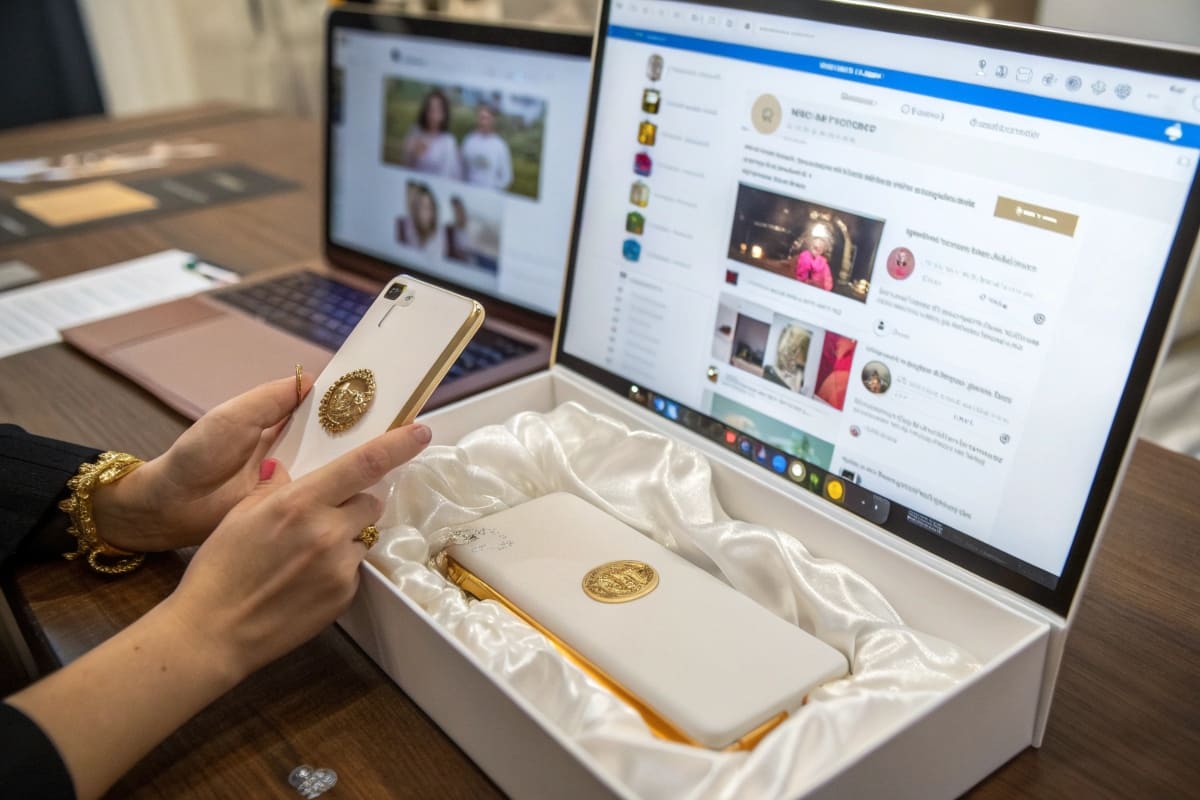
It's a conversation I've had with clients a hundred times. They look at the spreadsheet and see that a custom-molded insert adds $0.40 per unit. They want to cut it. My job is to reframe that $0.40. I ask them: "How much do you spend on customer acquisition? How much is a repeat customer worth to you?" A memorable unboxing does two things. First, it reduces buyer's remorse and makes customers feel good about their purchase, dramatically increasing their chances of buying again. Second, it turns your packaging into a marketing channel. In today's world, an "Instagrammable" unboxing is free advertising that reaches thousands of potential customers. That $0.40 doesn't just hold the product; it's a tool for retention and acquisition. When you frame it like that, the cost becomes a strategic investment.
How to Justify the Investment
For a pragmatic designer like Jacky, you need to speak the language of business value.
- Calculate Perceived Value: A product in beautiful packaging is perceived as being worth more than the exact same product in a plain box. This allows for better price anchoring and protects brand equity.
- Emphasize User-Generated Content: Show your stakeholders examples of unboxing videos in your product category. Explain that this form of marketing is seen as more authentic and trustworthy than traditional ads. Your package is the ticket to getting this free promotion.
- Focus on Lifetime Value: A customer who has a great experience is more likely to become a repeat buyer. A small upfront investment in packaging can lead to a significant increase in a customer's lifetime value (LTV), making the initial cost negligible over time.
Conclusion
The unboxing experience is the final, crucial part of your brand story. By engineering a thoughtful narrative, you create an emotional connection that justifies its cost through loyalty and powerful, user-driven marketing.