Tamper-Evident Packaging in Pharma: How Important Is It?
Designing pharma packaging is high-stakes. A single oversight in security can lead to a public health crisis, massive recalls, and the complete destruction of your brand's hard-earned trust.
In pharmaceuticals, tamper-evident packaging1 is not just important—it is an absolute and non-negotiable requirement. It provides visible proof if a product has been opened or altered, protecting patient safety2, ensuring regulatory compliance3, and maintaining consumer confidence4 in the medicine they take.
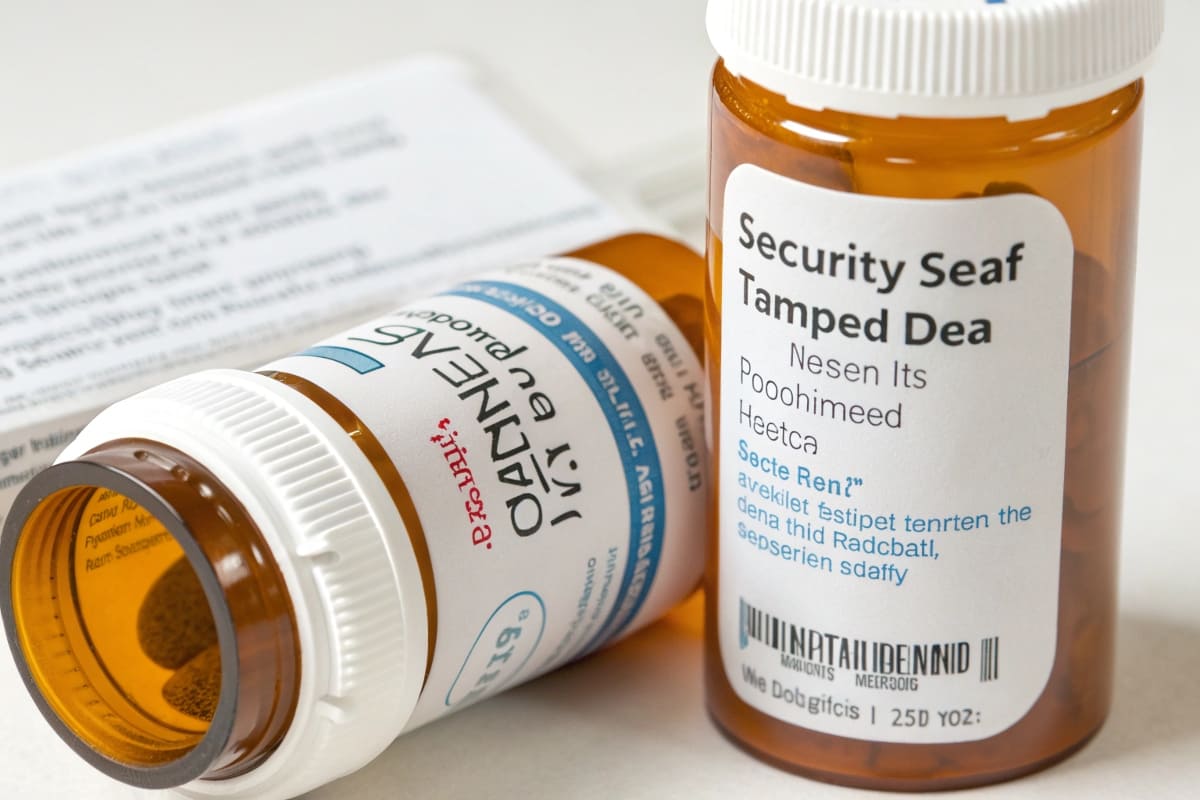
I will never forget the stories about the 1982 Tylenol crisis5 in the US. Malicious tampering led to deaths, caused a nationwide panic, and forced a massive product recall that cost Johnson & Johnson over $100 million. That event changed the packaging industry6 forever. It led to federal anti-tampering laws7 and the widespread adoption of the features we see today. For a designer like Jacky, this isn't just a history lesson. It's the reason why your job in pharma packaging is so critical. You are the first line of defense in protecting a patient's life. There is no room for error.
What Are the Main Types of Tamper-Evident Features?
You know you need a tamper-evident feature, but you're not sure what options exist. You risk choosing a method that isn't compliant or is unsuitable for your product's container.
The most common features are induction-sealed liners8 inside a cap, shrink bands9 that cover the lid and neck, and breakaway caps10 that break a plastic ring upon first opening. Each provides a clear, irreversible sign of tampering.
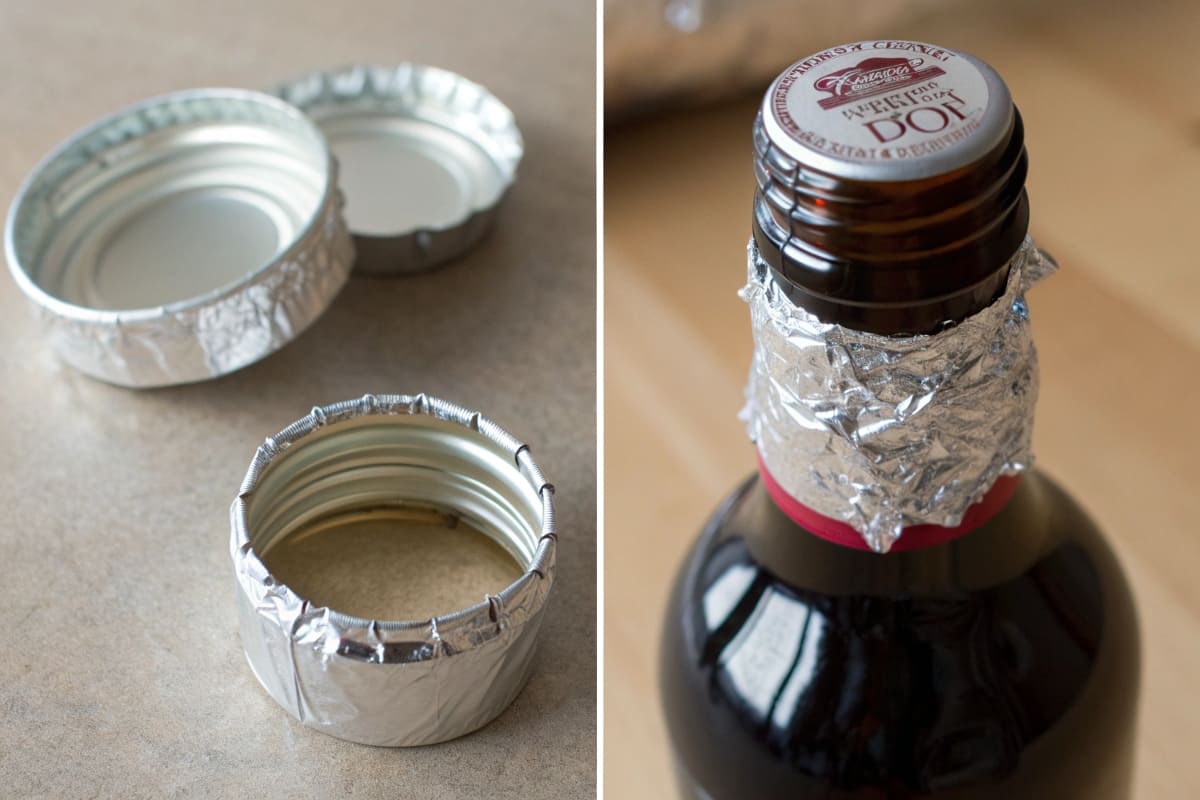
When I was first learning about packaging on the factory floor, I was fascinated by the induction sealing machine. It's a non-contact process that uses an electromagnetic field to heat a foil liner, bonding it to the lip of the container. It seemed like magic, but it's pure engineering. It creates a perfect, airtight seal that makes any tampering immediately obvious. While shrink bands and breakaway caps are also effective visual indicators, the induction seal often provides the extra benefit of creating a hermetic seal11 against leakage and contamination. Understanding these core technologies is fundamental for any designer working on over-the-counter (OTC) or prescription drug packaging. Your choice will depend on the product, the container, and the production line capabilities.
A Designer's Guide to Tamper-Evident Tech
Each method has its specific application and benefits. As a designer, you must match the feature to the product's needs for both security and user experience.
- Foil Induction Seals: These are aluminum foil liners inside the cap. They are bonded to the container's opening using heat. When the cap is removed, the foil seal must be punctured or peeled off, leaving clear evidence of opening. They also provide a great barrier against oxygen and moisture.
- Shrink Bands/Sleeves: These are plastic sleeves placed over the cap and neck of a container. Heat is applied, causing the band to shrink tightly. The band must be torn or removed to open the package. They are highly visible and can be custom printed.
- Breakaway Caps: Commonly seen on plastic beverage bottles and many liquid medicines, these caps have a plastic ring at their base connected by small breakable bridges. The first twist of the cap breaks the bridges, separating the ring from the cap, which provides a clear visual and sometimes audible cue of opening.
| Feature | How It Works | Best For... | Main Benefit |
|---|---|---|---|
| Induction Seal | Foil liner is heat-sealed to the container lip. | Bottles/Jars with solid or liquid contents. | Hermetic Seal & Security |
| Shrink Band | Plastic band is shrunk over the cap and neck. | A wide variety of container shapes. | High Visibility |
| Breakaway Cap | A plastic ring breaks away on first twist. | Plastic bottles for liquids. | Integrated & Low Cost |
How Do You Balance Security with Accessibility?
Your tamper-evident design is so secure that elderly patients or those with arthritis cannot open it. This frustration leads to complaints and risks patients not taking their medication.
Balancing security and accessibility is achieved through user-centric design12. This means using features like large-diameter caps for better grip, peel-off tabs with good affordance on seals, and perforated shrink bands that are easy to tear open for the intended user.
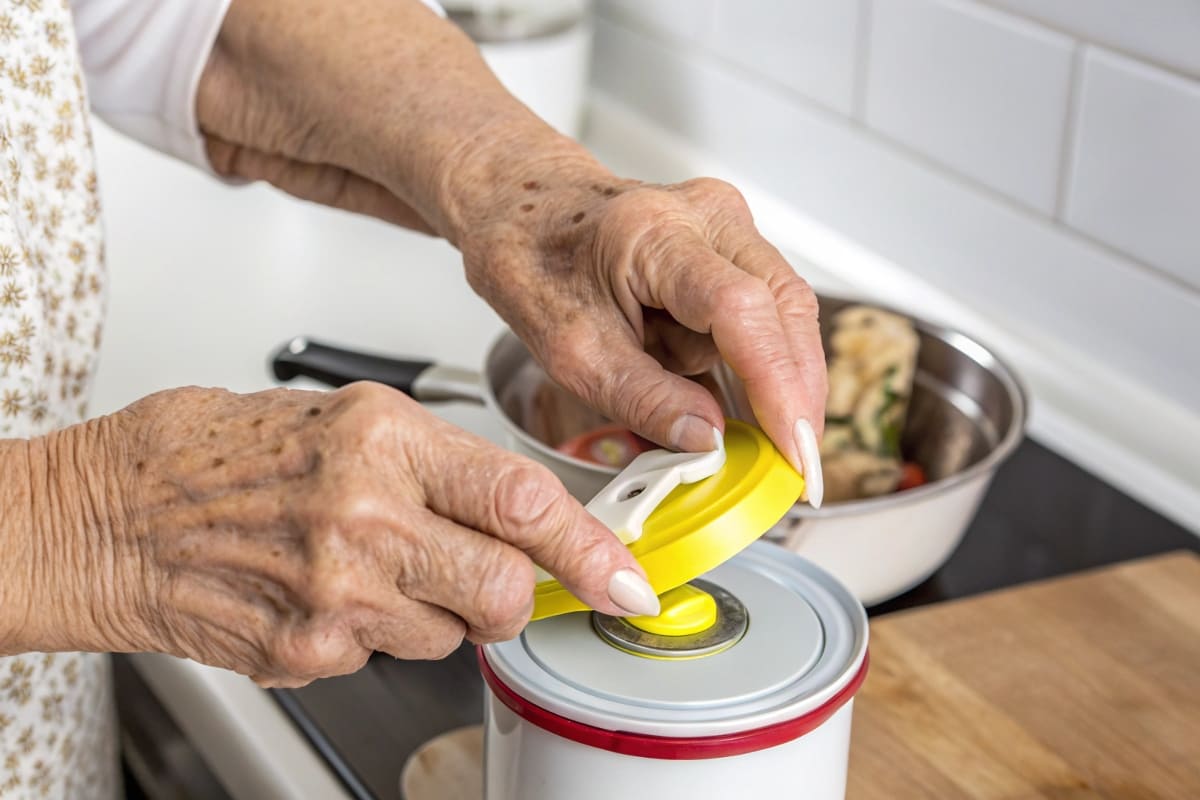
This is one of the toughest challenges in medical packaging. A package must be difficult for a child to open and impossible to tamper with, yet easy for a senior citizen to use. I once worked on a project for an arthritis medication. The initial design used a standard, small-diameter cap with a tough induction seal. It passed all security tests, but the patient focus group was a disaster. Many couldn't get a good grip on the cap. For those who could, peeling the tiny edge of the foil seal was impossible. We went back to the drawing board. We implemented a larger, rubber-edged cap for better torque and designed the foil seal with a large, half-moon shaped tab that was easy to lift. This is where a designer like Jacky earns their salary—by thinking beyond the lab tests and designing for the real human being who will use the product.
Design Principles for Accessible Security
You can and must design for both. It requires thinking about the user's physical abilities at every step.
- Improve Grip and Torque: Use ergonomic cap designs13. This can mean larger diameters, ribbed or rubberized textures, or even different shapes that are easier for weakened hands to turn.
- Design for Peeling, Not Puncturing: For foil seals, a simple puncture can be difficult. Always design in a prominent, easy-to-lift peel tab. The tab should be large enough to be gripped easily.
- Guide the User with Visual Cues: Use perforations on shrink bands to show exactly where to tear. Use simple icons or text like "Tear Here" or "Break Seal to Open" to remove any guesswork for the user.
Does the Choice of Feature Affect Product Stability?
You chose a simple shrink band for a sensitive liquid medication. During transport and storage, oxygen seeps into the product, causing it to degrade and lose its effectiveness.
Yes, absolutely. A feature like an induction seal provides a hermetic (airtight) barrier that significantly improves product stability by preventing oxygen and moisture ingress. A shrink band, on the other hand, offers no barrier protection at all.
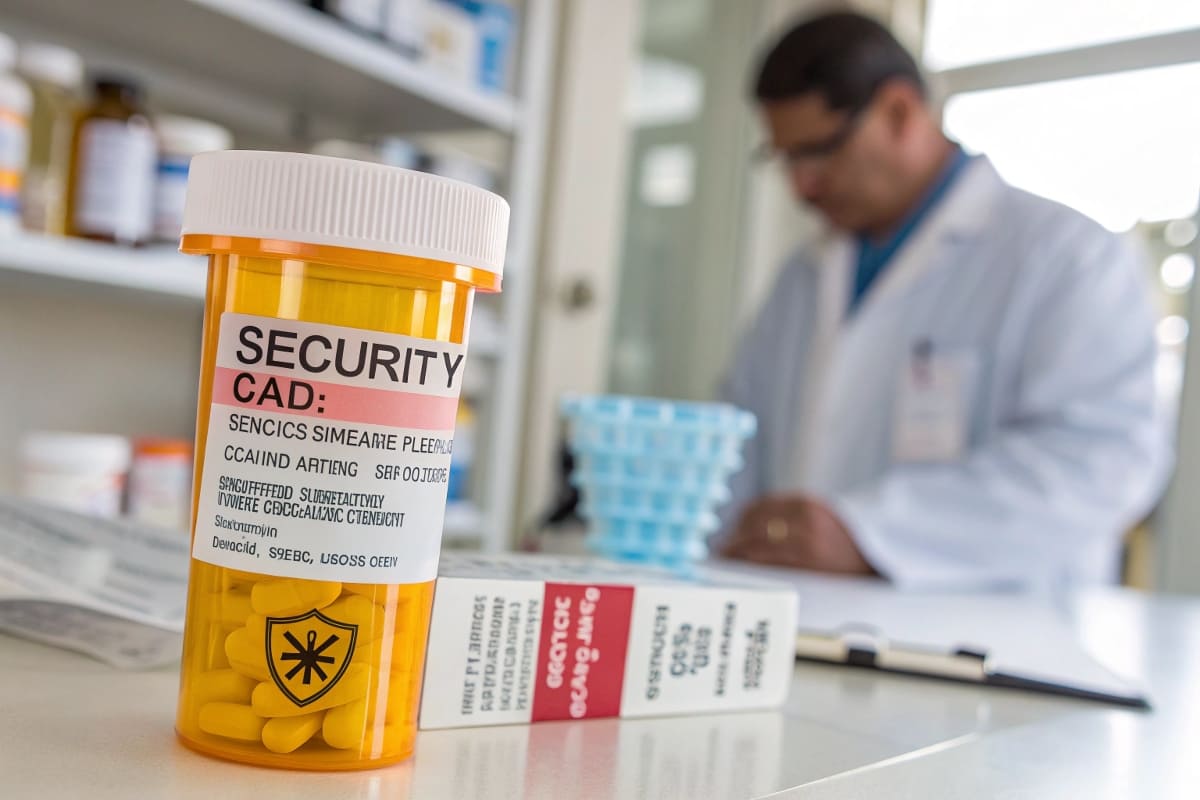
Your responsibility as a designer goes beyond just the outer look and feel; it extends to preserving the chemical integrity of the product inside. This is particularly true in the pharmaceutical industry. Many active pharmaceutical ingredients14 (APIs) are highly sensitive to oxygen, light, or humidity. I consulted for a company launching a new liquid vitamin supplement. They were focused only on the visual tamper evidence and planned to use just a shrink band. I pointed out that their key vitamin was notoriously unstable when exposed to oxygen. The shrink band would show tampering, but it wouldn't stop the slow degradation on the shelf. By adding an induction seal, we created an airtight barrier. This extended the product's shelf life15 by nine months and ensured the customer received a fully potent product.
Matching the Barrier to the Product
The tamper-evident feature should be a part of your product preservation strategy16.
- High-Barrier Needs (Induction Seals): If your product is an oral liquid, a cream, or contains sensitive active ingredients, you need a hermetic seal. An induction seal is the industry standard for this. It keeps the internal environment consistent and prevents contamination.
- Low-Barrier Needs (Shrink Bands/Breakaway Caps): If your product is a solid tablet in a bottle that already has a tight closure, its primary stability concern might be moisture, which the cap itself can handle. In this case, an external shrink band is an excellent choice for its high visual impact and lower cost, as its sole purpose is tamper evidence.
| Product Type | Primary Stability Concern | Recommended Tamper-Evident Feature | Why? |
|---|---|---|---|
| Oral Liquids, Gels, Creams | Oxygen, Contamination | Induction Seal | Provides a hermetic seal, protecting against environment and leaks. |
| Solid Pills/Tablets (in a good bottle) | Moisture, Tampering | Induction Seal or Shrink Band | Seal provides moisture barrier17; band provides high-visibility security. |
| Sterile Products (e.g., Eye Drops) | Sterility, Contamination | Specialized sterile-path closures (often a version of breakaway cap) | Designed to ensure sterility is maintained until the first use. |
Conclusion
In pharma, tamper-evident packaging is a critical system for safety, compliance, and stability. Choosing the right feature means protecting patients, preserving the product, and upholding brand trust.
Understanding tamper-evident packaging is crucial for ensuring patient safety and regulatory compliance. ↩
Explore how tamper-evident features protect patients from tampered products. ↩
Learn about the laws and regulations that govern pharmaceutical packaging. ↩
Discover the link between packaging security and consumer trust in medications. ↩
This event reshaped the packaging industry and highlights the importance of security. ↩
Learn about the innovations in packaging driven by safety and compliance needs. ↩
Explore the legal framework that governs tamper-evident packaging. ↩
Gain insights into this effective tamper-evident feature used in pharmaceuticals. ↩
Learn about the functionality and benefits of shrink bands in packaging. ↩
Understand the mechanics and advantages of using breakaway caps. ↩
Explore the significance of airtight seals in preserving product integrity. ↩
Discover how designing for users enhances accessibility and safety. ↩
Learn how ergonomic designs can make packaging easier for all users. ↩
Understand the importance of protecting APIs through effective packaging. ↩
Learn how packaging choices can extend the shelf life of sensitive products. ↩
Understand how packaging choices are integral to preserving product quality. ↩
Discover how moisture barriers protect product integrity and effectiveness. ↩