

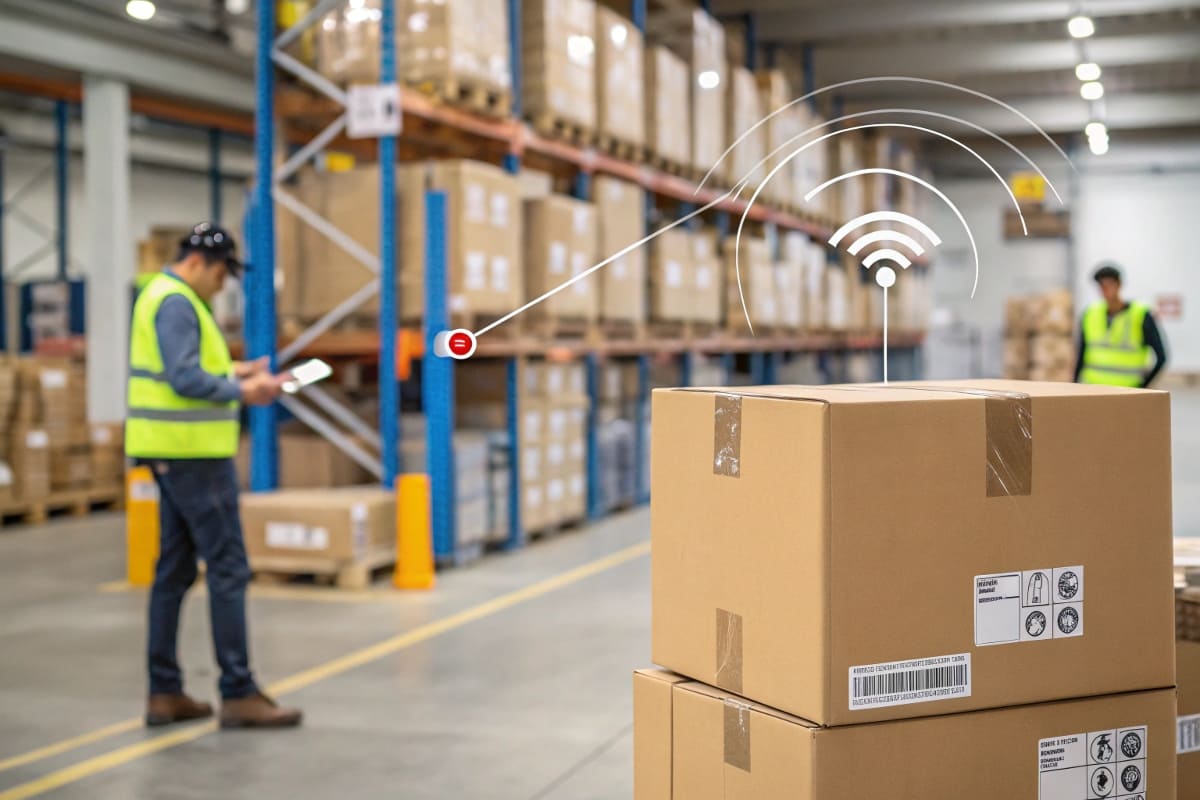
Smart Sensors in Packaging: Can They Optimize Your Supply Chain?
Your products arrive damaged from shock or temperature, but you don't know why. This leads to costly disputes with logistics partners, a blame game with no proof, and huge losses.
Yes, absolutely. By embedding sensors that track location, temperature, humidity, and shock, smart packaging1 provides unprecedented real-time data2. This visibility allows you to pinpoint failure points, prevent spoilage, and create a transparent, accountable supply chain.

I once had a client who shipped high-value medical reagents. A whole pallet's worth, worth tens of thousands of dollars, arrived spoiled because it had been exposed to heat. The shipping company swore it was kept in a climate-controlled truck. The receiving warehouse swore it was moved directly into their cold storage. My client had to absorb the entire loss because they couldn't prove where the failure occurred. Today, that situation is entirely avoidable. This is why for a designer like Jacky, understanding smart sensors is no longer optional. It's about giving your packaging a voice and turning it into your most reliable witness.
What Kind of Data Can These Sensors Actually Track?
You hear "smart packaging" and imagine something complex and futuristic. You're not sure what tangible, useful information these sensors can actually provide for your products.
The most common sensors track key environmental and physical data: GPS for location, thermometers for temperature, hygrometers for humidity, and accelerometers3 for shock or tilt. This data gives you a complete history of the package's journey.
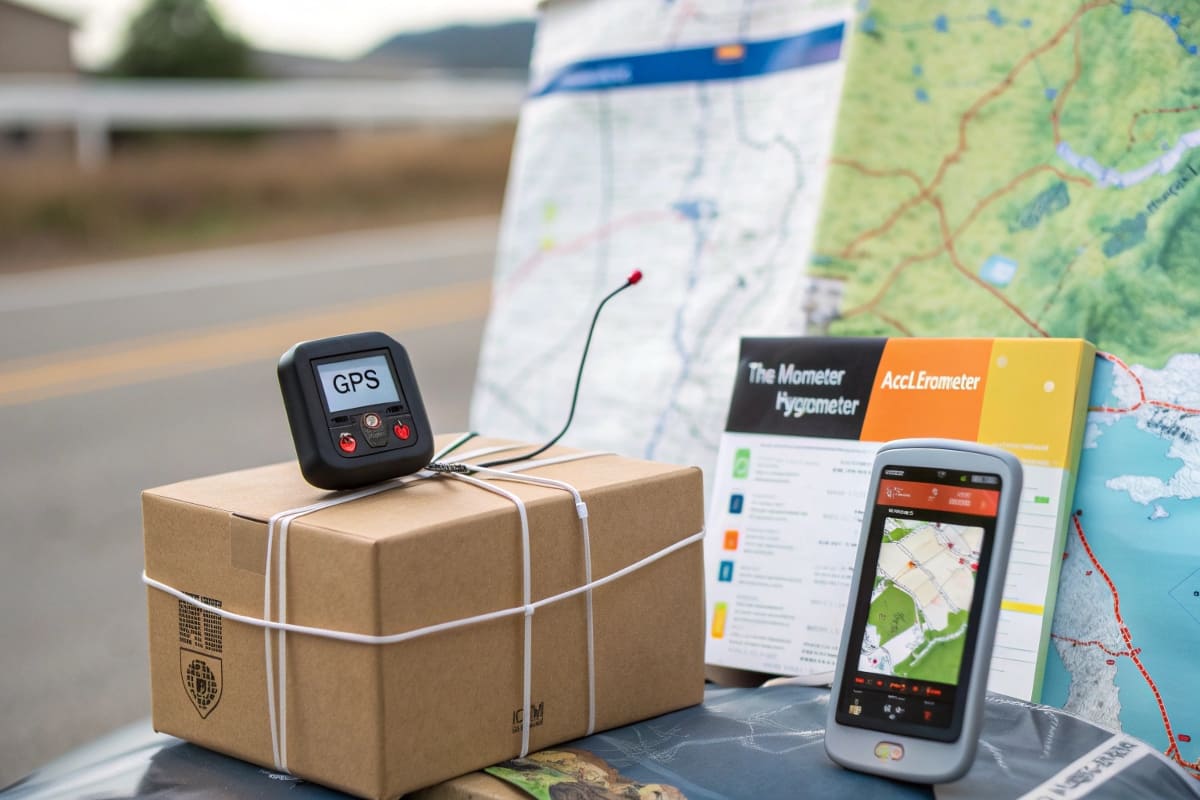
When I first started exploring this tech, I was amazed at how specific the tracking could be. It's not just a single data point. It’s a continuous story. Imagine a shipment of delicate electronics. An accelerometer can tell you not just if a box was dropped, but it can record the exact time and the g-force of the impact. A humidity sensor inside a container of dry goods can alert you if there's a water leak the moment it happens. This technology transforms packaging from a passive container into an active guardian of the product inside. For a designer, this means you can start gathering real-world data on how your packaging performs under stress, allowing you to improve your designs based on evidence, not just theory.
The Four Pillars of Smart Sensor Data
These sensors work together to create a full picture of the supply chain environment.
- Environmental Sensors: These are the most common. Temperature and humidity sensors4 are critical for food, pharmaceuticals, and chemicals. Light sensors can even tell you if a package was opened before it reached its destination.
- Location Sensors: GPS is the most well-known, providing real-time location. However, NFC (Near Field Communication) and RFID (Radio-Frequency Identification) tags are also used for tracking location within a warehouse or at specific checkpoints.
- Physical Sensors: These sensors monitor the physical handling of the package. Accelerometers detect drops and impacts. Gyroscopes and tilt sensors tell you if a package marked "This Side Up" was actually kept upright.
- Integrity Sensors: These are simpler but effective. They can be a broken circuit or a special ink that changes color when a specific temperature threshold is breached, providing a simple, visual "go/no-go" check upon arrival.
How Do Sensors Prevent Spoilage and Financial Loss?
You see the value in tracking data, but you're not sure how that translates to preventing loss. Knowing a shipment got too hot is one thing; stopping it from happening is another.
Sensors prevent loss by enabling proactive intervention5. Real-time alerts are sent to a dashboard when a threshold is breached, allowing a logistics manager to re-route a truck or correct a storage issue before the product is irreversibly damaged.

This is where the theory becomes incredibly practical. I worked with a company shipping frozen seafood from Asia to Europe. They were losing around 10% of their shipments due to partial thawing and refreezing, which was impossible to detect visually. We integrated real-time temperature loggers into their pallets. A few months later, they got an alert. A pallet in a port in the Middle East was experiencing a slow temperature rise. The data showed the reefer container's cooling unit was failing. They were able to get a local technician to the port to fix the unit within hours. That single alert saved a $50,000 shipment. The system didn't just tell them what went wrong; it gave them the chance to fix it before it became a total loss. This is the true power for designers to champion: it's an insurance policy that actually works.
From Reactive to Proactive Supply Chain Management
The goal is to move from analyzing past failures to preventing future ones.
- Set Custom Thresholds: A designer like Jacky, who knows the product's limits, can help set the exact parameters. For example, "Alert if temperature exceeds 8°C for more than 15 minutes."
- Automated Alerts: When a threshold is breached, the sensor automatically sends an email or SMS to the responsible parties. There's no need for someone to constantly watch a dashboard.
- Data for Accountability: Over time, the data reveals patterns. If shipments are consistently experiencing shock impacts at a specific distribution center, you now have irrefutable evidence to address the issue with that partner. It removes the "he said, she said" element entirely.
| Sensor Type | Problem It Solves | Business Benefit |
|---|---|---|
| Temperature | Spoilage of food, pharma, chemicals. | Reduced waste, guaranteed product quality. |
| Shock | Damage to fragile electronics, glass. | Lower return rates, proof of mishandling. |
| GPS | Lost or delayed shipments, theft. | Improved logistics, theft recovery. |
| Humidity | Mold on dry goods, corrosion of metal parts. | Preserved product integrity, less spoilage. |
Are Smart Sensors Too Expensive for Widespread Use?
You're convinced of the benefits, but the cost seems prohibitive. You can't imagine adding several dollars to the cost of every single box you ship.
The cost is dropping rapidly, and an ROI analysis6 is key. You don't need a sensor on every box. Often, placing one sensor per pallet or high-value container provides enough data to justify the cost through prevented losses and improved efficiency.
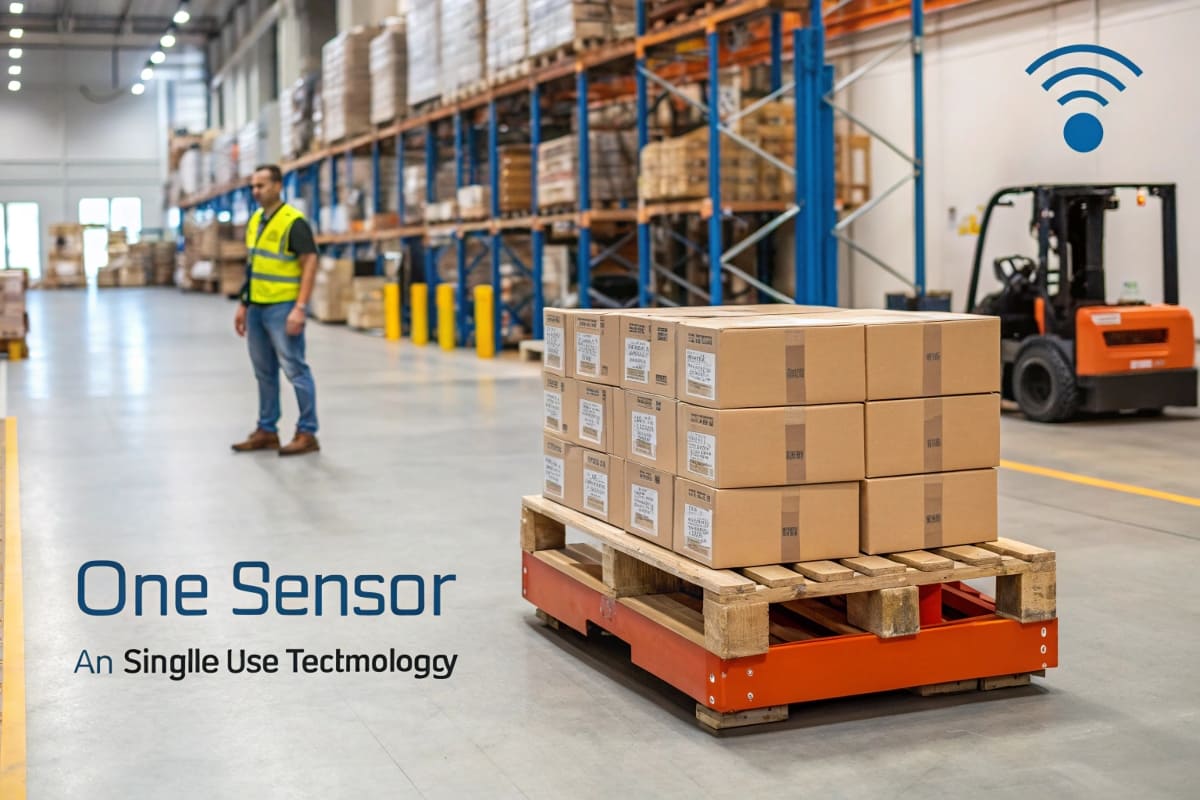
This is the number one question I get from clients. Ten years ago, the answer was yes, it was too expensive for most. Today, the landscape is completely different. The technology has advanced, and costs have plummeted. There are now disposable, single-use sensor labels that cost just a few dollars. When you compare that to the value of the goods being protected, the calculation changes. For that client shipping medical reagents I mentioned earlier, a $5 sensor on a pallet could have saved them a $30,000 loss. The return on investment can be massive. The strategy isn't to put a live GPS tracker on a box of toothbrushes. The strategy is to apply the technology intelligently where the risk is highest and the value is greatest. As a designer, your role is to help identify those high-risk products and present the business case.
Implementing a Smart and Scalable Sensor Strategy
You don't need to monitor everything. You need to monitor what matters most.
- Start with High-Value Goods: Identify the products in your portfolio where a single lost shipment has the biggest financial impact. Start there.
- Use a Tiered Approach: Not all sensors are created equal. Use simple, low-cost "indicator" sensors (e.g., color-changing ink) for lower-value shipments and active, real-time "logger" sensors for your most critical products.
- Leverage Pallet-Level Monitoring: For most goods, you don't need package-level tracking. By placing one sophisticated sensor on a sealed pallet, you can effectively monitor the condition of hundreds of individual units, dramatically lowering the cost per item.
- View it as an Investment: Frame the cost not as an expense, but as an investment in quality assurance7, risk reduction, and customer trust. The data gathered also provides invaluable insights for future packaging and logistics optimization.
Conclusion
Smart sensors are transforming packaging from a simple container into an active, data-driven guardian. They optimize supply chains by replacing guesswork with hard evidence, ultimately saving money and building trust.
Explore how smart packaging can enhance visibility and accountability in your supply chain. ↩
Learn how real-time data can help you make informed decisions and prevent losses. ↩
Learn how accelerometers can provide insights into the physical handling of packages. ↩
Find out how humidity sensors can protect your products from damage during transit. ↩
Explore the concept of proactive intervention and its benefits in preventing losses. ↩
Understand how to evaluate the return on investment for implementing smart sensors. ↩
Understand the long-term benefits of investing in quality assurance for your products. ↩