Recyclable Packaging Materials: Which Ones Should You Choose?
You're under pressure to make your packaging more sustainable. But the world of "recyclable" materials is a confusing minefield of claims, symbols, and conflicting information, leaving you unsure which choice is truly better.
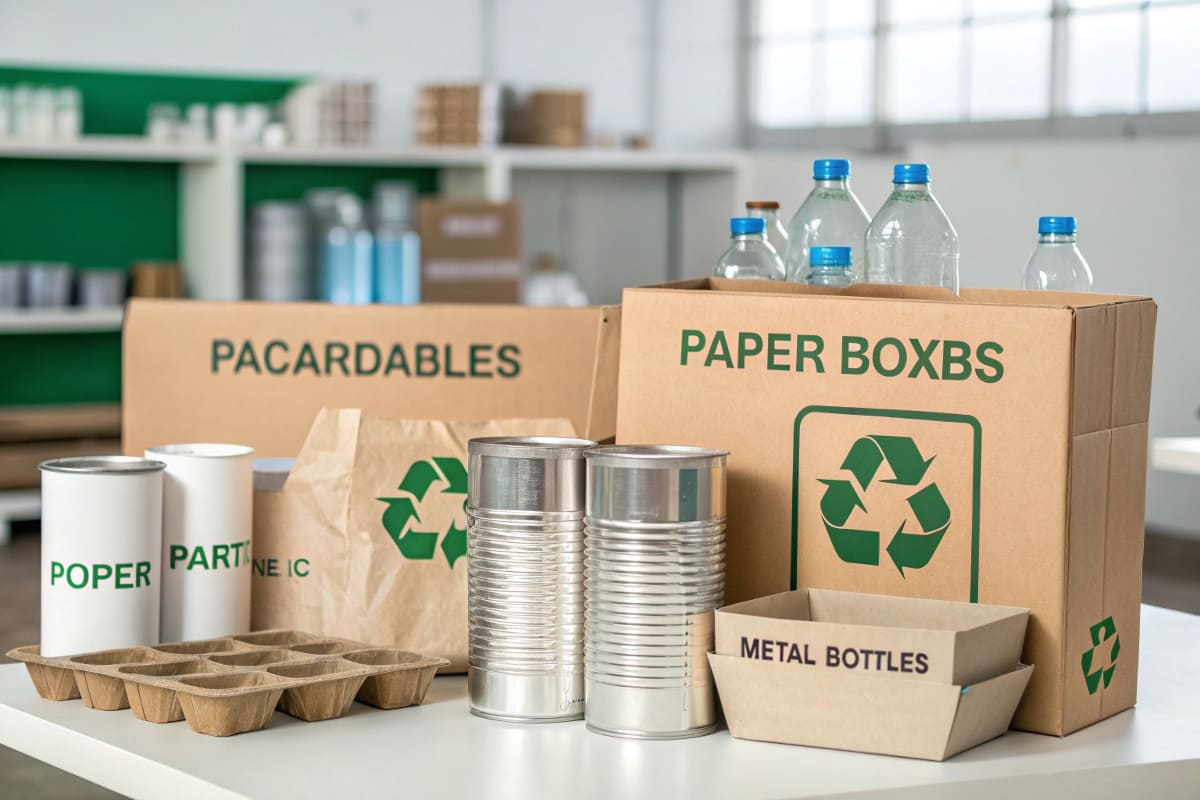
Focus on materials with proven, widespread recycling infrastructure1. You should prioritize paper, cardboard, PET (#1) plastic, HDPE (#2) plastic, and metals like aluminum and steel. These materials have the highest actual recycling rates2 and are the safest bet.

A few years ago, a client came to me, very excited. They had switched their product from a standard PET plastic3 container to a new "compostable" bioplastic. They thought they were making a great environmental choice. The problem was, these bioplastics4 don't break down in a home compost bin; they require industrial composting facilities, which are rare. Customers were throwing them in the recycling bin, contaminating the entire plastic stream. The client’s good intentions actually created a bigger problem. That taught me a crucial lesson: the "best" sustainable material is the one that the existing system can actually handle. For a designer, that means your choice has to be practical for the end-user.
Are Paper and Cardboard Always the Most Eco-Friendly Choice?
You assume paper is the safest green option. But you see paper cups with plastic linings and glossy boxes, and wonder if these additions send the package straight to the landfill.
Uncoated paper and cardboard5 are fantastic choices due to high recycling rates. However, adding coatings like plastic lamination6 or wax can make them non-recyclable in many facilities. The key is to keep the paper as pure as possible.
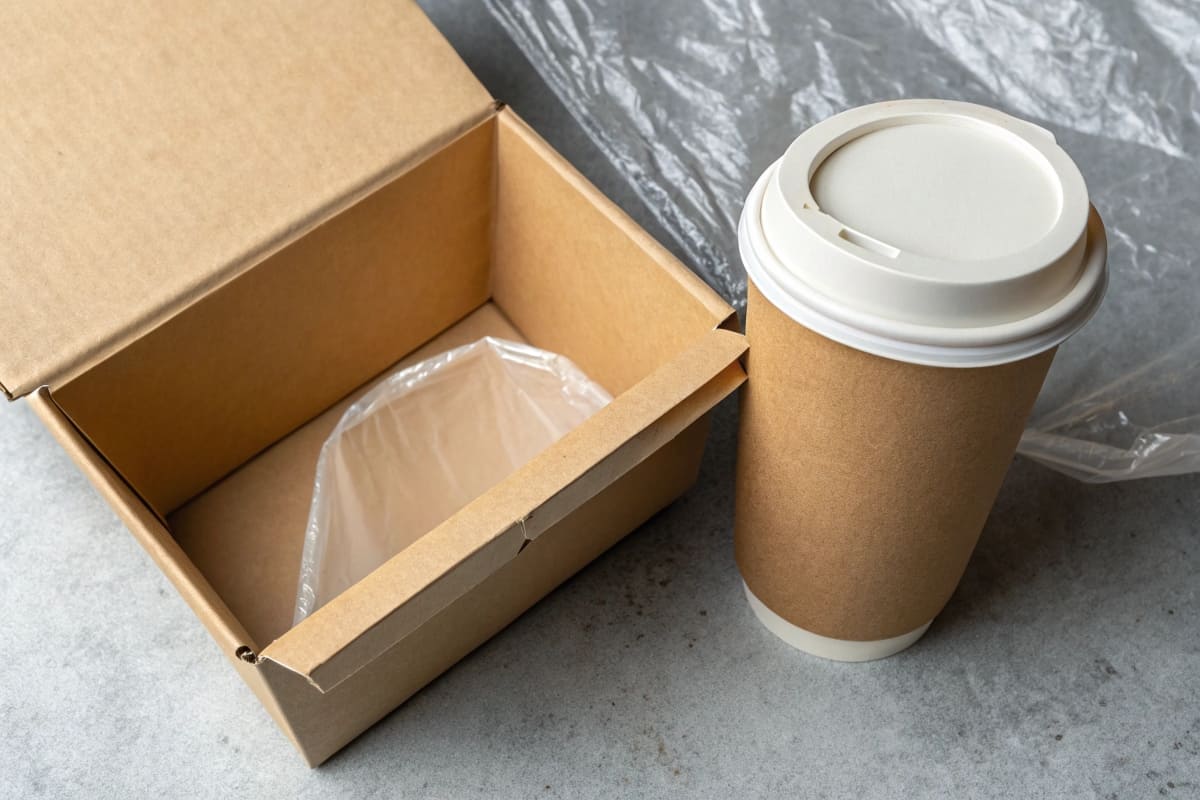
In the factory, you see this firsthand. A run of plain corrugated boxes can be baled up and sent for recycling with zero issues. The pulp mill just adds water and turns it back into paper. But then a run of cosmetic boxes with a beautiful, soft-touch plastic lamination comes through. To a recycler, that lamination is a contaminant. The plastic film is difficult to separate from the paper fibers, often resulting in the entire batch being rejected. As a designer, this creates a tough choice between a premium feel and true recyclability7. Whenever possible, I advise clients to use finishes like aqueous (water-based) coatings, which provide protection and a nice sheen without compromising the paper's ability to be recycled.
Choosing the right paper means understanding its composition.
- Corrugated Cardboard: The workhorse of e-commerce. It's strong, lightweight, and one of the most successfully recycled materials in the world. Its high content of recycled fibers makes it a top choice.
- Paperboard/Folding Cartons: This is what most retail boxes are made from (cereal boxes, cosmetic boxes, etc.). It's great for printing. To keep it easily recyclable, avoid plastic laminations and look into uncoated or clay-coated stocks for a premium matte finish.
- Kraft Paper: Known for its high strength and natural look. It's used for bags, wrapping, and void fill. Unbleached kraft paper is also compostable, adding another end-of-life option. Always look for certifications like FSC (Forest Stewardship Council) to ensure the paper comes from responsibly managed forests.
| Material Type | Pros | Cons (Recycling Challenges) | Best For... |
|---|---|---|---|
| Corrugated Cardboard | Highly recycled, strong, great protection | Bulky for retail shelf presence | E-commerce mailers, shipper boxes |
| Paperboard | Excellent print surface, lightweight | Plastic coatings are a major recycling barrier | Retail boxes, food packaging |
| Kraft Paper | Strong, natural aesthetic, often compostable | Can feel less premium than coated papers | Bags, void fill, wrapping |
Which Plastics Are Actually Worth Recycling?
You see recycling triangles with numbers on all plastics, but you've heard a rumor that most of them don't actually get recycled. You need to know which ones have a real second life.
Focus your efforts on PET (#1) and HDPE (#2). These two plastic types have established and valuable recycling markets. While other plastics are technically recyclable, their collection and reprocessing rates are significantly lower in most regions.
<sup id=](https://whatapackaging.com/wp-content/uploads/2025/10/provide-an-illustration-for-the-following-text-fo-4-1.jpg) 8 (#1 and #2) clearly visible" title="PET #1 and HDPE #2 Plastic Containers" />
8 (#1 and #2) clearly visible" title="PET #1 and HDPE #2 Plastic Containers" />
This is one of the most confusing areas for consumers and designers. The little triangle symbol doesn't mean "recyclable"—it just identifies the type of plastic resin. The reality of my trading business is that there's high demand for bales of used PET bottles and HDPE jugs. Recyclers want this material because they can turn it into new bottles, carpet fiber, or pipes. But when it comes to other numbers like PS (#6 - polystyrene) or "Other" (#7), there's almost no market for the post-consumer material. So, while a pouch made from #7 plastic might have the recycling symbol, it's very likely to end up in a landfill. As a designer, guiding your client towards a PET or HDPE container is a much safer bet for genuine recyclability.
A Practical Guide to Recycling Symbols
Think of this as a tier list for plastic recycling.
- Tier 1 (The All-Stars):
- #1 PET (Polyethylene Terephthalate): Used for water bottles, soda bottles, and many food jars. It's clear, lightweight, and highly sought after by recyclers.
- #2 HDPE (High-Density Polyethylene): Used for milk jugs, shampoo bottles, and detergent containers. It can be natural (cloudy) or pigmented and is also easily recyclable.
- Tier 2 (Check Locally):
- #5 PP (Polypropylene): Used for yogurt cups, some tubs, and bottle caps. Its recycling market is growing but isn't as universal as PET and HDPE.
- Tier 3 (Generally Avoid if Recycling is the Goal):
- #3 PVC, #4 LDPE, #6 PS, #7 Other: These have very low recycling rates due to technical challenges or lack of a stable market. Many curbside programs do not accept them.
Should I Consider Glass and Metal for Recyclability?
You're exploring alternatives to paper and plastic. Glass and metal feel premium and are known to be recyclable, but are they always a better choice considering their weight and cost?
Yes, glass and metal (especially aluminum) are excellent choices for recyclability. They can be recycled infinitely without loss of quality. The main trade-offs are their higher weight and cost, which impact transportation emissions and budget.
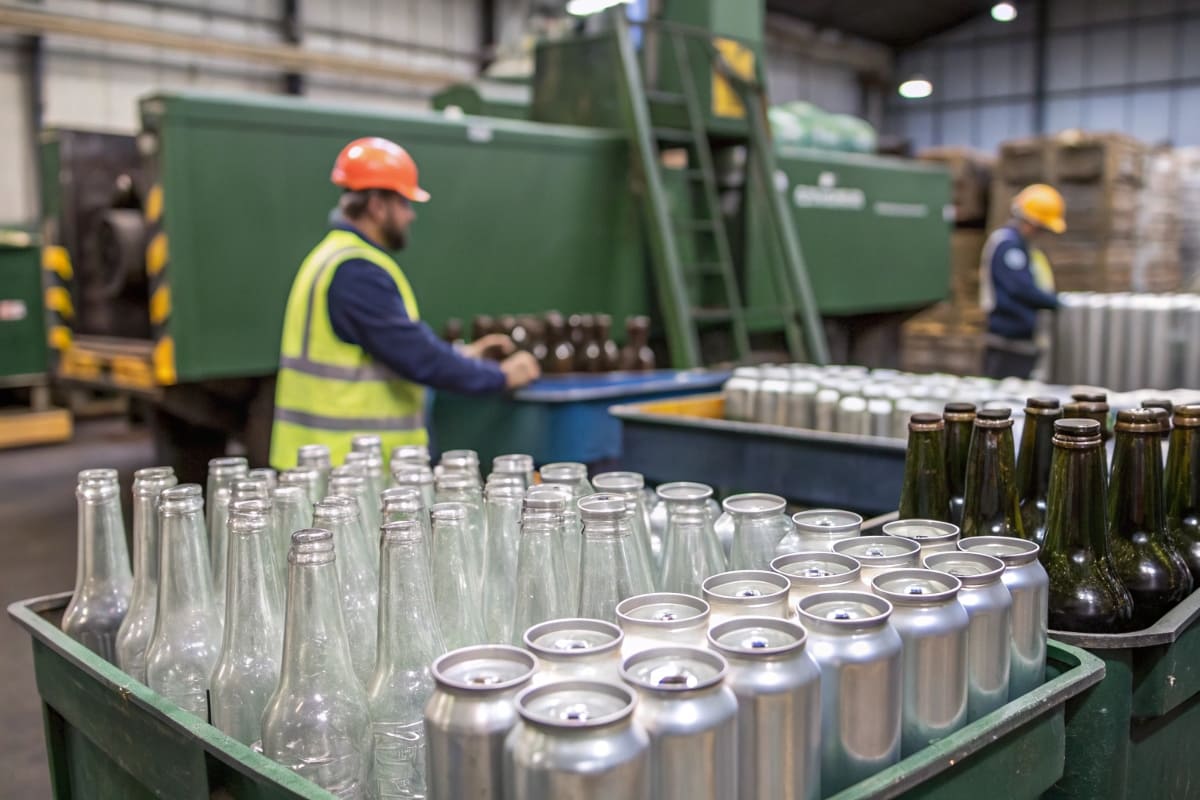
Aluminum is the champion of recycling. It's one of the most valuable materials in the waste stream, which means there are strong financial incentives to collect and recycle it. Creating a can from recycled aluminum uses about 95% less energy than making it from raw bauxite ore. Glass is similar; it can be melted and reformed endlessly. As a packaging supplier, I see clients use glass and aluminum to signal a premium, high-quality product. The weight of a glass jar or the cool touch of an aluminum bottle communicates permanence. For Jacky, the decision is a balance. If the product's price point can support the higher cost of glass or metal, and the brand wants to convey a message of quality and infinite recyclability, they are fantastic options. The key is to weigh that against the increased shipping costs and carbon footprint from transporting a heavier product.
Weighing the Pros and Cons of Glass & Metal
They are great materials, but context is everything.
- Aluminum:
- Pros: Extremely lightweight for a metal, infinitely recyclable, high scrap value, excellent barrier properties.
- Cons: Prone to denting, opaque (customer can't see the product).
- Best For: Beverages, aerosols, some premium cosmetics.
- Glass:
- Pros: Infinitely recyclable, feels premium, completely inert (doesn't react with the product), transparent.
- Cons: Heavy (increases shipping costs/emissions), fragile (risk of breakage), can be more expensive than plastic.
- Best For: Luxury food items (jams, sauces), drinks (wine, spirits), skincare and cosmetics.
Conclusion
Choosing recyclable packaging means focusing on materials with strong, existing recycling systems. Prioritize paper, cardboard, PET/HDPE plastic9s, and metals to ensure your sustainable design10 choices have a real-world impact.
Discover the significance of recycling infrastructure in promoting effective waste management. ↩
Stay informed about recycling rates to make better packaging choices. ↩
Learn about PET plastic's recyclability and its applications in sustainable packaging. ↩
Understand the complexities of bioplastics and their implications for recycling systems. ↩
Find out why paper and cardboard are often considered the most eco-friendly packaging materials. ↩
Learn how plastic lamination can hinder the recycling process and what alternatives exist. ↩
Learn about the key factors that determine whether packaging materials can be recycled. ↩
Get clarity on recycling symbols and their significance in making informed choices. ↩
Understand the recycling process of HDPE plastic and its importance in the packaging industry. ↩
Explore the principles of sustainable design and how they apply to packaging. ↩