Packaging for DTC Brands: Which Trends Should You Follow?
Your DTC brand has a great product and a slick website, but a sale ends with a generic brown box arriving at the door. You're missing your single biggest opportunity to build a real relationship.
Focus on three key trends: an unforgettable unboxing experience1, authentic sustainability2 that tells a story, and personalized touches3 that make the customer feel seen. These are the pillars that turn a simple transaction into brand loyalty.
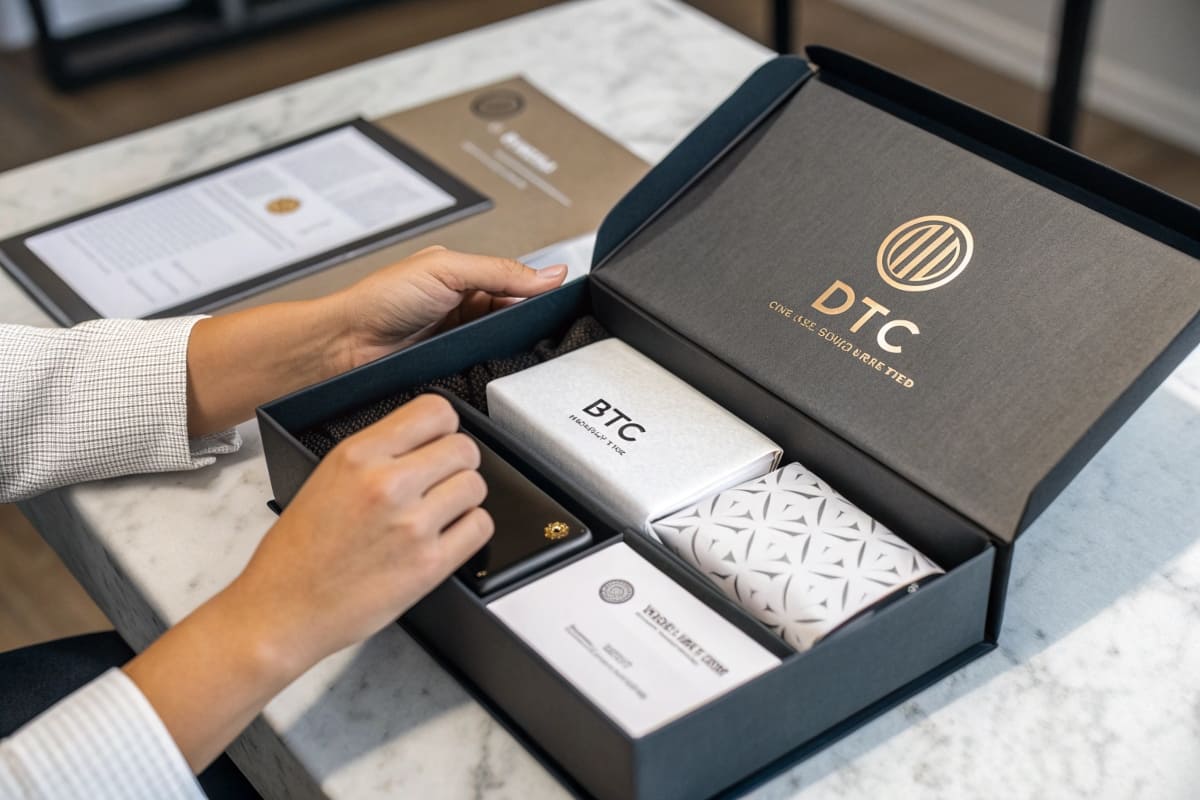
Years ago, retail packaging was all about the "first moment of truth"—that split second on a crowded shelf where a customer chooses you or a competitor. For Direct-to-Consumer brands, the game is entirely different. The most important moment is the "second moment of truth4," when the customer is alone in their home, opening the box. Their kitchen counter is your new retail shelf. I had a client selling skincare who treated their shipping box like a boring necessity. We changed nothing but the experience inside the box, and their repeat customer rate jumped by 20%. That's when you realize the box isn't the end of the sale; it's the beginning of the relationship.
Is the Unboxing Experience Really Worth the Investment?
You're focused on shipping the product safely and affordably. Spending extra on fancy tissue paper and inserts seems like a frivolous expense with no clear return on investment.
Yes, because the unboxing is your primary physical brand experience. A thoughtful unboxing5 creates a memorable, premium feeling that validates the customer's purchase, encourages social sharing, and makes your brand feel special and distinct.
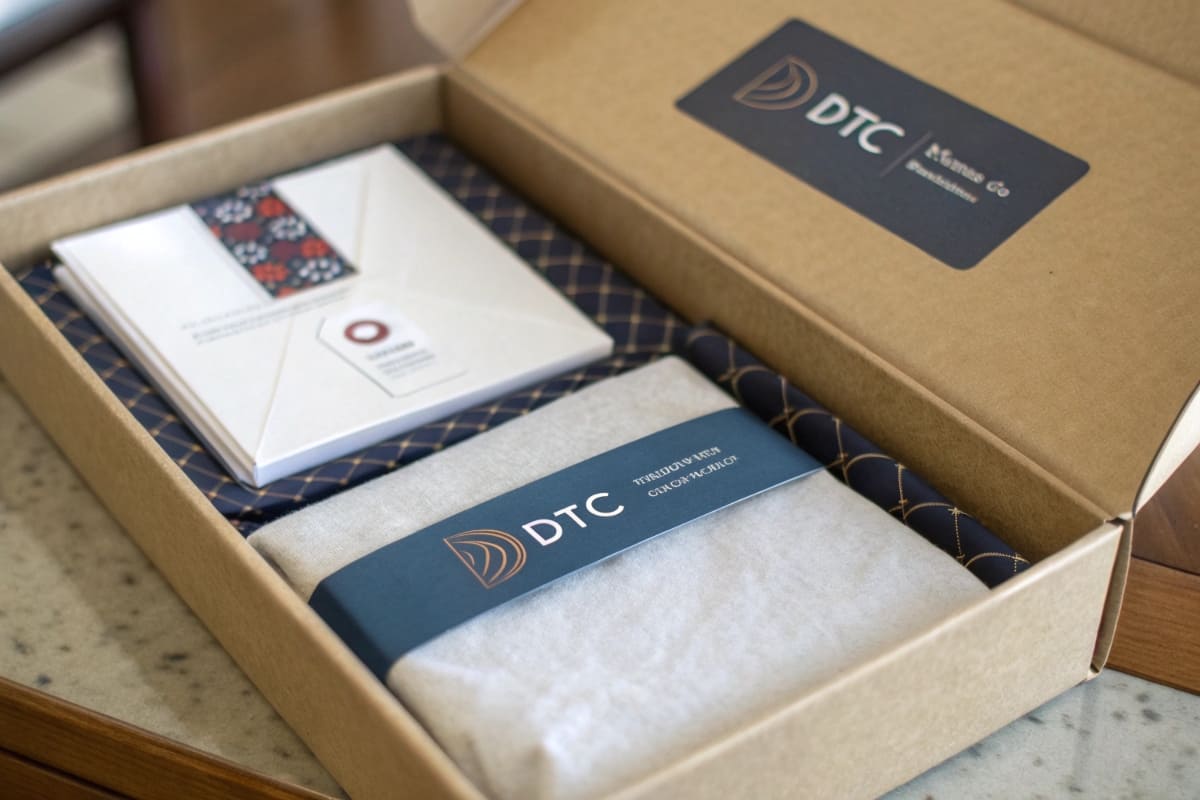
Think of it like this: a customer orders online based on pictures and promises. The moment they open your package is when that digital promise becomes a physical reality. If they struggle with a taped-up brown box to find a product rattling around inside, it feels cheap. It creates a flicker of buyer's remorse. I've seen brands transform this moment with simple things. One used a printed mailer box with a welcome message on the inner lid. Another used a custom-printed tissue paper that cost mere cents per unit. It's not about being extravagant; it's about being thoughtful. For a designer like Jacky, your job isn't just to protect the product; it's to choreograph a moment of delight that makes the customer think, "I made the right choice."
Designing a Memorable Unboxing Ritual
Small, affordable details can create a disproportionately large impact on customer perception.
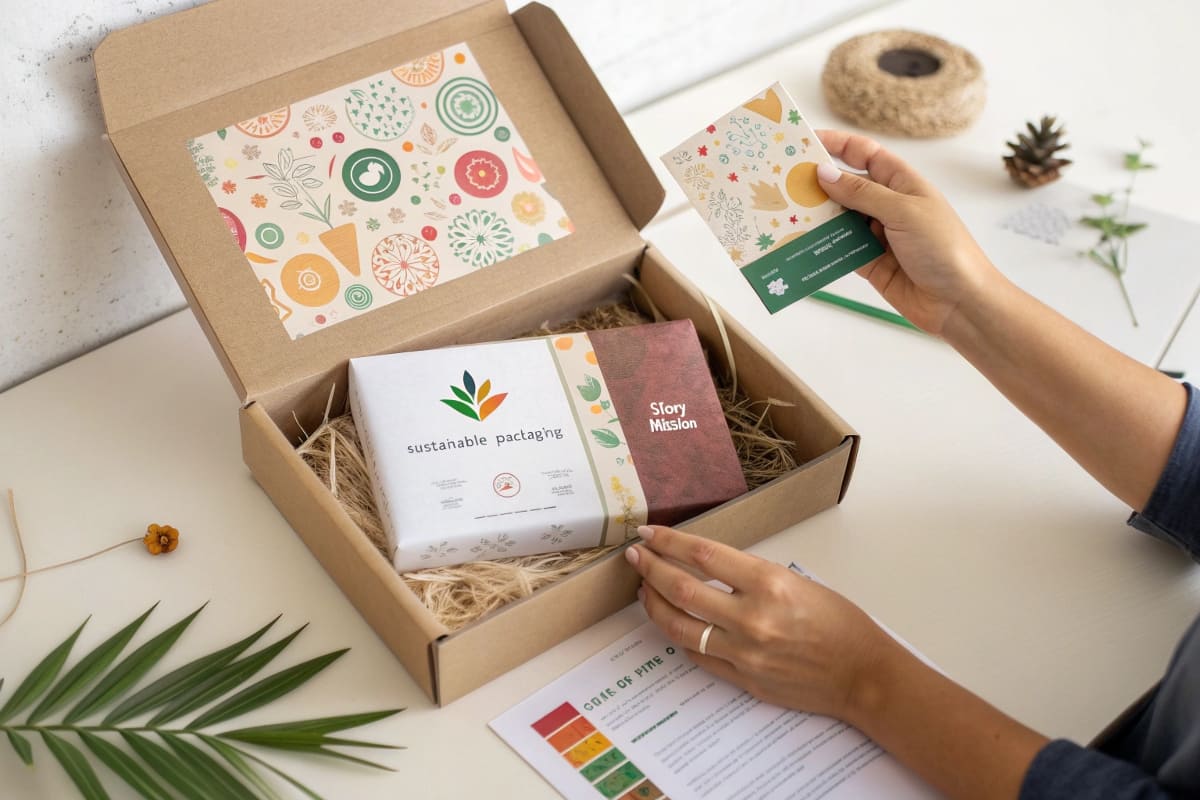
- The Reveal Sequence: Don't show everything at once. Use layers. Start with a beautifully printed mailer box. Inside, greet them with a simple "Thank You" card. Then, use branded tissue paper sealed with a sticker. Finally, reveal the product perfectly nested in a custom insert. Each step builds anticipation.
- Tactile Details: How the box feels matters. A soft-touch coating on the outside or the crinkle of high-quality kraft paper on the inside sends a subconscious signal of quality.
- The Inner Print: This is the easiest win for DTC brands. Leaving the outside of a mailer box plain for shipping is fine, but printing a bold pattern or your brand story on the inside creates a huge "wow" moment upon opening.
Can Sustainable Packaging Be Both Premium and Affordable?
You want to be eco-friendly, but you associate sustainable materials6 with bland, brown, and flimsy. You're worried it will cheapen your brand's premium feel and that the costs will be too high.
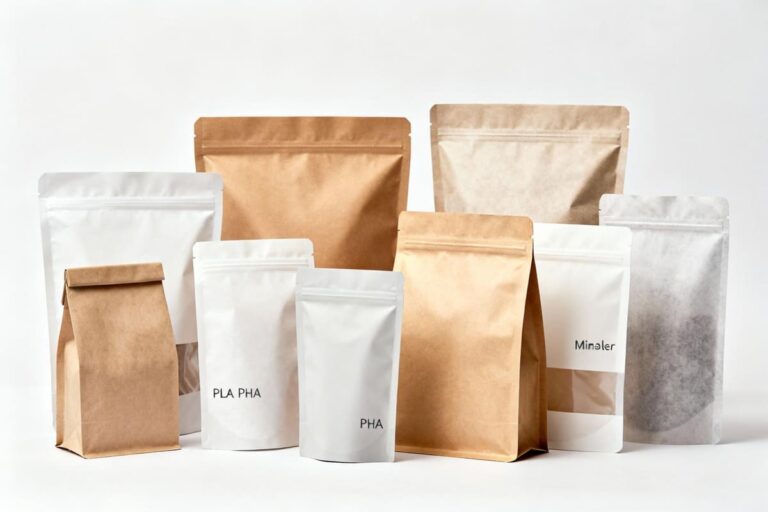
Absolutely. Modern sustainable materials like FSC-certified paper, custom-molded pulp7, and even algae ink offer a premium, textured feel that customers now associate with quality and responsibility. Often, smart sustainable design also reduces costs through right-sizing8.
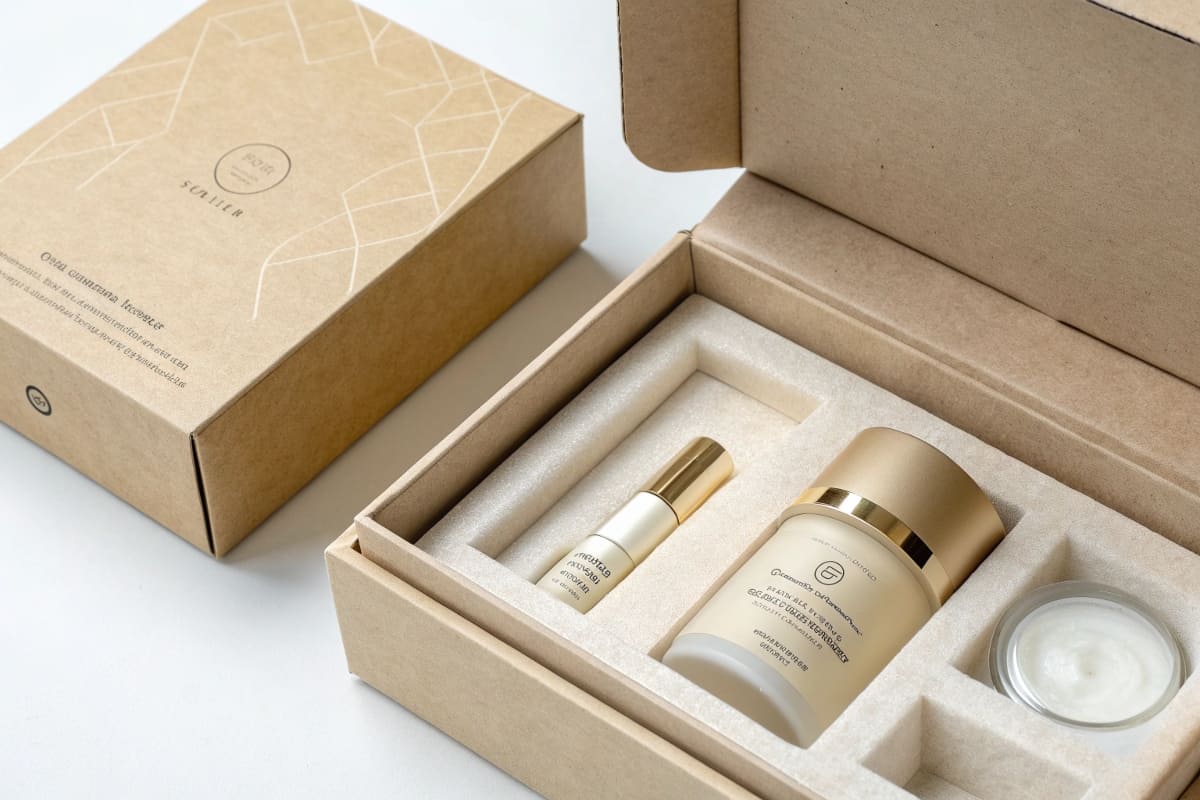
One of my biggest success stories was with a wellness brand. They were using foam inserts. I convinced them to switch to custom-molded pulp, the same material egg cartons are made from, but designed to look sleek and modern. Not only was it 100% recyclable, but it looked incredibly premium and unique. Customers started posting about the "cool eco-friendly packaging" online. The best part? By redesigning the box to be "right-sized" for the new insert, they reduced their overall package volume, which saved them money on both materials and shipping costs. Sustainability is no longer a compromise. For a designer, it's a creative constraint that can lead to more innovative and cost-effective solutions that customers love.
A Practical Guide to Sustainable DTC Packaging
Being green is a brand asset, not a liability.
- Right-Sizing is Key: The most sustainable package is the one that uses the least material. Analyze your products and create packaging that fits them perfectly, eliminating unnecessary void fill like plastic air pillows. This is a direct cost saving.
- Focus on Mono-Materials: Use materials that are easily recyclable. A box that is 100% paperboard is better than one that has plastic laminates or magnets that need to be removed before recycling.
- Communicate Your Efforts: Use a small icon or a sentence on the box to tell your customer your packaging is "100% Recyclable" or "Made from 80% Post-Consumer Materials." It shows you care, and it educates them on how to dispose of it properly.
| Material Option | Premium Feel | Eco-Credibility | User Experience |
|---|---|---|---|
| FSC-Certified Paper | High | High | Familiar, easily recycled, great for printing. |
| Molded Pulp Inserts | Medium-High | Very High | Excellent protection, unique texture, compostable. |
| Compostable Mailers | Medium | Very High | Great for soft goods, signals strong eco-values. |
| "Right-Sized" Box | Varies | High | Feels efficient and responsible, less waste. |
How Can a Box Tell a Story and Build a Community?
Your packaging is functional, but it's silent. It doesn't communicate your brand's mission, your origin story, or anything that would create a deeper connection with the customer.
Use the packaging surface9 and inserts as your canvas. A short message from the founder, a small card detailing the product's origin, or a QR code linking to a "how-to" video turns the package into a powerful storytelling medium.
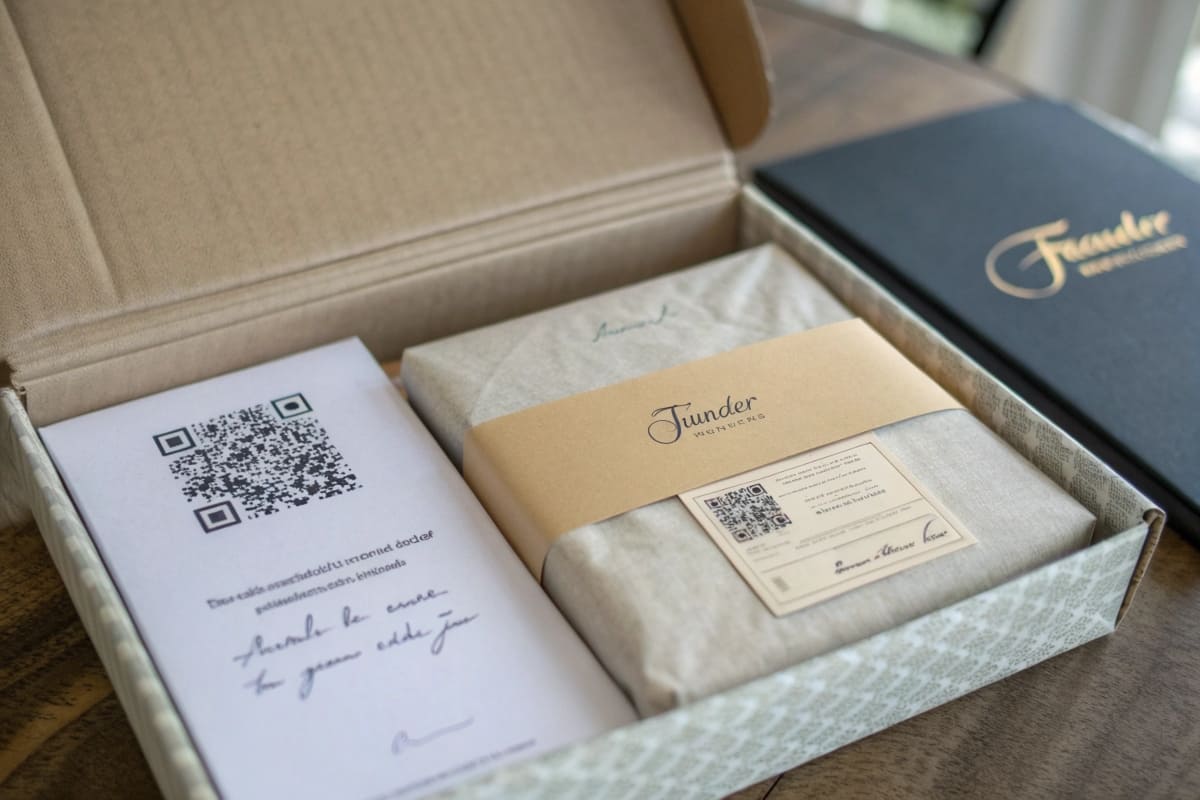
The most successful DTC brands I know aren't just selling products; they're selling a mission and building a tribe. Your packaging is your best tool to do this. I advised a small-batch hot sauce company to include a small, beautifully designed recipe card in every order. It was a simple, cheap addition. Suddenly, customers started tagging the brand on Instagram with pictures of the meals they made using the recipes. The packaging insert sparked a conversation and built a community around the product's use. It transformed customers from passive consumers into active brand advocates. For designers, think beyond logos and colors. Think about what message or tool you can place inside that box that provides value and invites the customer into your world.
Weaving Your Narrative into the Unboxing
Turn your packaging into your most engaging piece of content10.
- The Founder's Note: A small card with a printed message from the founder, explaining why they started the company, is incredibly powerful. It humanizes the brand instantly.
- QR Codes for Content: Don't clutter the box with text. Add a simple QR code with a call to action like "Scan to see how it's made" or "Scan for styling tips." This bridges the physical and digital experience.
- User-Generated Content (UGC) Prompts11: Actively encourage social sharing. A simple line printed on the box like, "Love your new product? Share your unboxing with #YourBrand" can generate a stream of authentic marketing content.
Conclusion
For DTC brands, packaging isn't an afterthought; it's a core marketing channel12. Prioritizing the unboxing experience, sustainability, and storytelling will build the loyalty that grows your brand.
Discover how an unforgettable unboxing experience can enhance customer loyalty and brand perception. ↩
Explore strategies for implementing authentic sustainability that resonates with customers and enhances brand value. ↩
Learn about personalized touches that can make customers feel valued and enhance their overall experience. ↩
Understand the significance of the second moment of truth and how it impacts customer relationships. ↩
Discover the elements that contribute to a thoughtful unboxing experience and its impact on customer perception. ↩
Learn about innovative sustainable materials that can enhance packaging without compromising quality. ↩
Explore the advantages of custom-molded pulp as a sustainable and premium packaging option. ↩
Understand the concept of right-sizing and how it can lead to cost savings and sustainability. ↩
Explore creative ways to use packaging surfaces for storytelling and brand connection. ↩
Explore strategies to transform packaging into engaging content that resonates with customers. ↩
Discover how to encourage user-generated content through packaging prompts. ↩
Understand the role of packaging as a core marketing channel and its impact on brand loyalty. ↩