Packaging Design: Can It Really Influence Brand Loyalty?
You've designed a great product, but you worry it's a one-time sale. Once the customer has the item, your brand is forgotten, losing out to the next new thing.
Yes, absolutely. Packaging transforms a single transaction into a lasting relationship. By creating a memorable unboxing experience1e](https://www.packm.com/blog/the-importance-of-a-great-unboxing-experience/?srsltid=AfmBOorZBOiBs37xpSnr9_HbQBhEBoAbpiOU4Ox8YIlsrMGDjkB7W3U8)%%%FOOTNOTE_REF_2%%%, offering post-purchase value3, and telling your brand's story, packaging becomes a key driver of customer loyalty4 and repeat business.
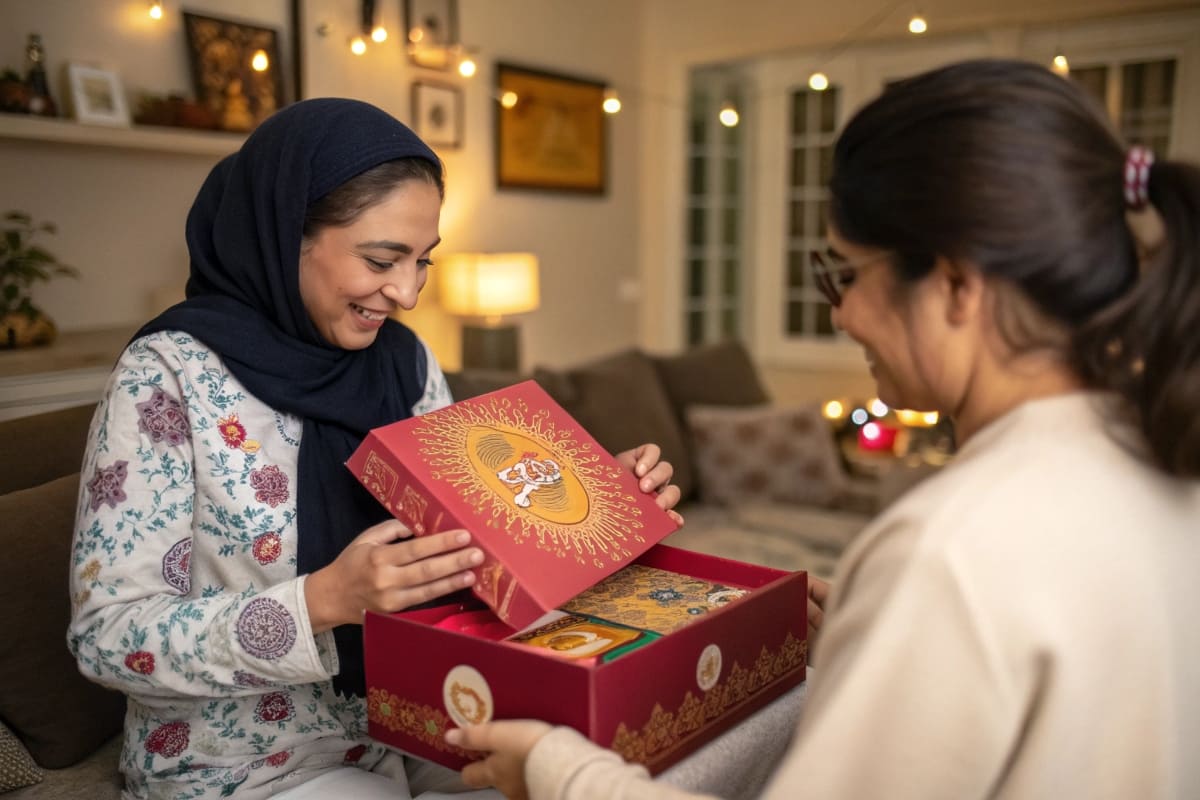
I once visited the home of a friend who had bought a premium set of headphones from one of my clients. Months after the purchase, I saw the empty box on his bookshelf. It wasn't being used for storage; he kept it because it was, in his words, "too nice to throw away." That's when it clicked for me on a deeper level. The brand wasn't just in his ears; it was now a permanent fixture in his home. The packaging had become a trophy of his good taste. For a designer like Jacky, this is the ultimate goal: to create a package that a customer loves so much they can't bear to part with it. That's the start of true loyalty.
Is the Unboxing Experience More Than Just a Social Media Trend?
You see "unboxing" videos everywhere and dismiss them as a fleeting trend. You focus on the box's primary function: protection, not presentation, missing a huge emotional opportunity.
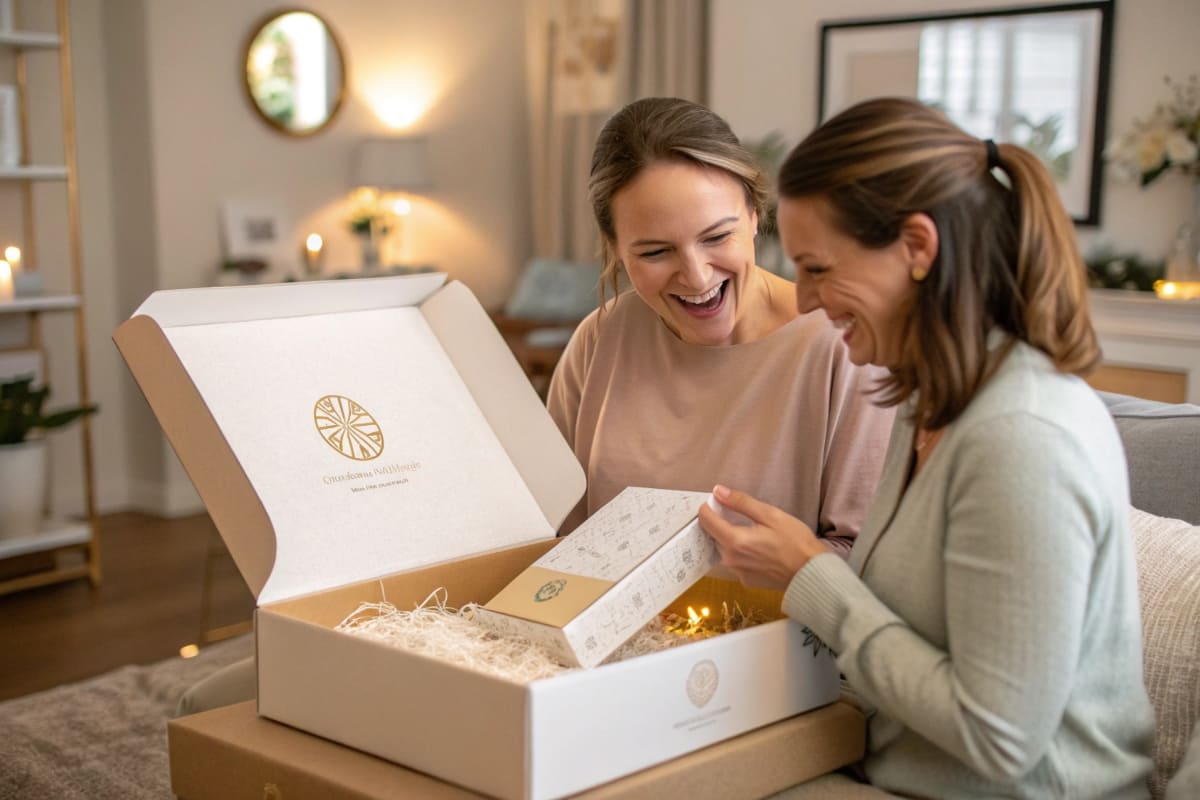
Yes, it's a critical touchpoint. A thoughtfully choreographed unboxing is a powerful ritual that creates a strong emotional bond5. It makes the customer feel special and reinforces their purchase decision, turning a simple delivery into a memorable event.
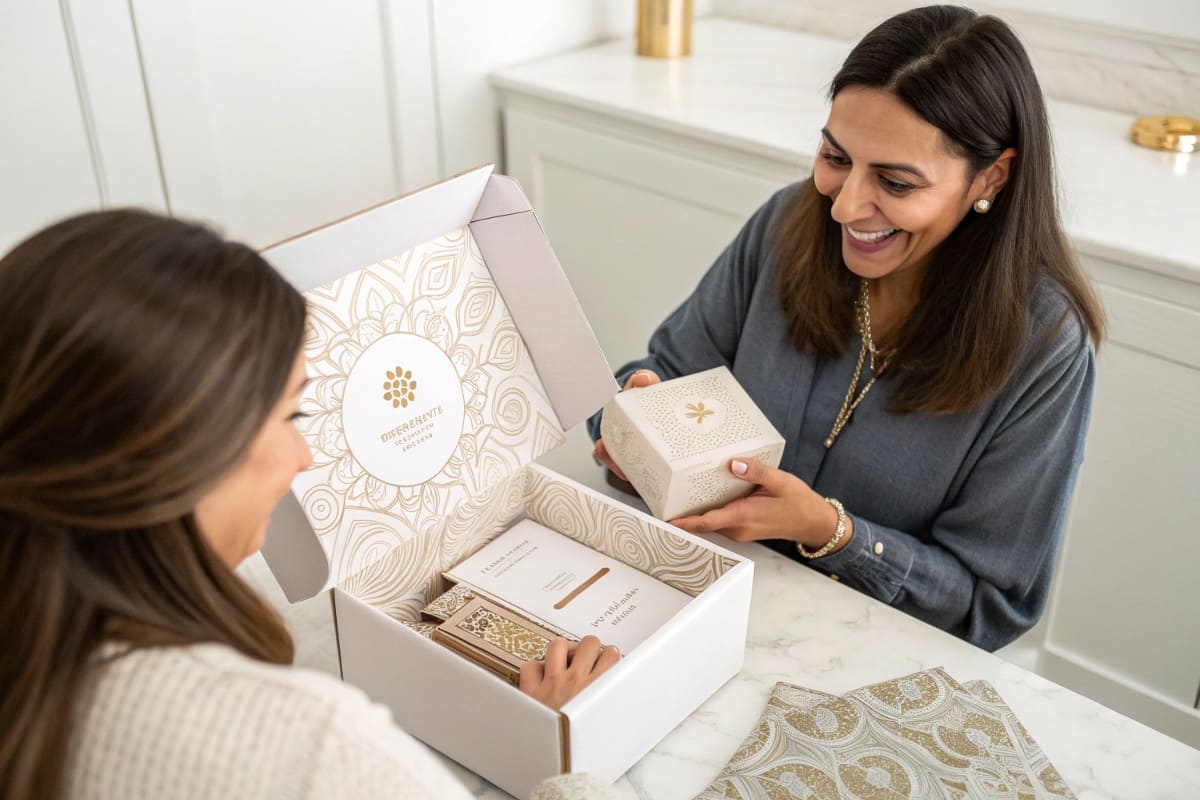
The moment a customer receives a package is their first physical interaction with your online brand. It's a moment filled with anticipation. Ripping open a cheap mailer bag is unceremonious and forgettable. However, opening a rigid box with a satisfying friction-fit closure, peeling back custom-printed tissue paper, and lifting the product from a perfectly cut insert—that's a different story. It's a sensory experience. I’ve seen clients increase their repeat purchase rate just by investing in the unboxing. It makes the customer feel like they’ve received a gift, even when they bought it for themselves. This positive emotion becomes directly associated with your brand. As a designer, you are not just designing a container; you are directing a small, personal piece of theater for your customer.
Crafting the Unboxing Ritual
This isn't about adding unnecessary cost; it's about thoughtful sequencing and tactile elements6 that elevate the experience.
- The Reveal: Don't show the product immediately. Use layers—an outer shipper, an inner box, tissue paper, a cloth bag—to build anticipation. Each layer is another beat in the story.
- Tactile Sensation: The materials matter. A heavy-weight paper stock, a soft-touch coating, a ribbed texture, or the crinkle of tissue paper all contribute to a premium feel7. Think about how the package feels in the hand.
- Personalization: A simple, handwritten-style "Thank You" card or a small note explaining the product's story can make the customer feel seen and valued. It shifts the interaction from a mass-produced item to a personal connection.
Can Functional Design Make Your Packaging Unforgettable?
Your expensive, beautiful box is thrown away moments after opening. The design served its purpose for a few seconds, representing a significant but short-lived investment for your brand.
Definitely. By designing packaging with a valuable secondary purpose—such as elegant storage, a refill system, or a fun new use—your brand remains a helpful and visible part of your customer's daily life, creating ongoing interaction.

One of the smartest things I've seen a shoe brand do was design their shoebox with a rope handle and high-quality printed graphics, making it look like a little suitcase. Kids loved it. Parents loved it because it was a neat way to store shoes. The brand wasn't just on the shoe; it was the box the kid carried to their friend's house. This is a level of thinking that goes beyond the sale. As a designer, ask yourself: "What happens after?" Can this box be a beautiful storage container for makeup? Can this canister be used in the kitchen? Can this pouch become a travel washbag? When the packaging has a second life, your brand earns a permanent place in the customer's home. It's no longer just packaging; it's a useful, appreciated object.
Designing for a Second Life
Think beyond the initial reveal to how the packaging can provide lasting value.
- Elegant Storage: Design rigid boxes for products like watches, jewelry, or electronics to be so beautiful and sturdy that they become the natural storage solution.
- Refillable Systems: This is a huge trend in cosmetics and home goods. The initial purchase comes in a durable, beautiful container (glass, ceramic, metal). The customer then buys cheaper, simpler "refill" packs, keeping the original premium package in use forever. This builds immense loyalty and is great for the environment.
- Creative Re-use: Design the packaging with instructions or hints for a creative second use. A cylindrical box can become a pencil holder. A beautifully printed box can be cut up to make gift tags.
| Functionality Strategy | Customer Benefit | Brand Benefit |
|---|---|---|
| Elegant Storage | A free, high-quality organizer. | Daily brand visibility in the customer's home. |
| Refillable System | Lower long-term cost, less waste. | Locks the customer into your brand's ecosystem. |
| Creative Re-use | A fun, engaging activity. | Creates positive, interactive brand association. |
Does Your Packaging's Story Resonate with Your Customer?
Your packaging looks nice, but it feels generic. It doesn't communicate anything special about your brand, your process, or the values you stand for. It lacks a soul.
Your packaging is a physical billboard for your brand's story. By using materials, graphics, and text that reflect your values—such as sustainability8, local craftsmanship, or scientific innovation—you build a deeper connection with like-minded consumers.
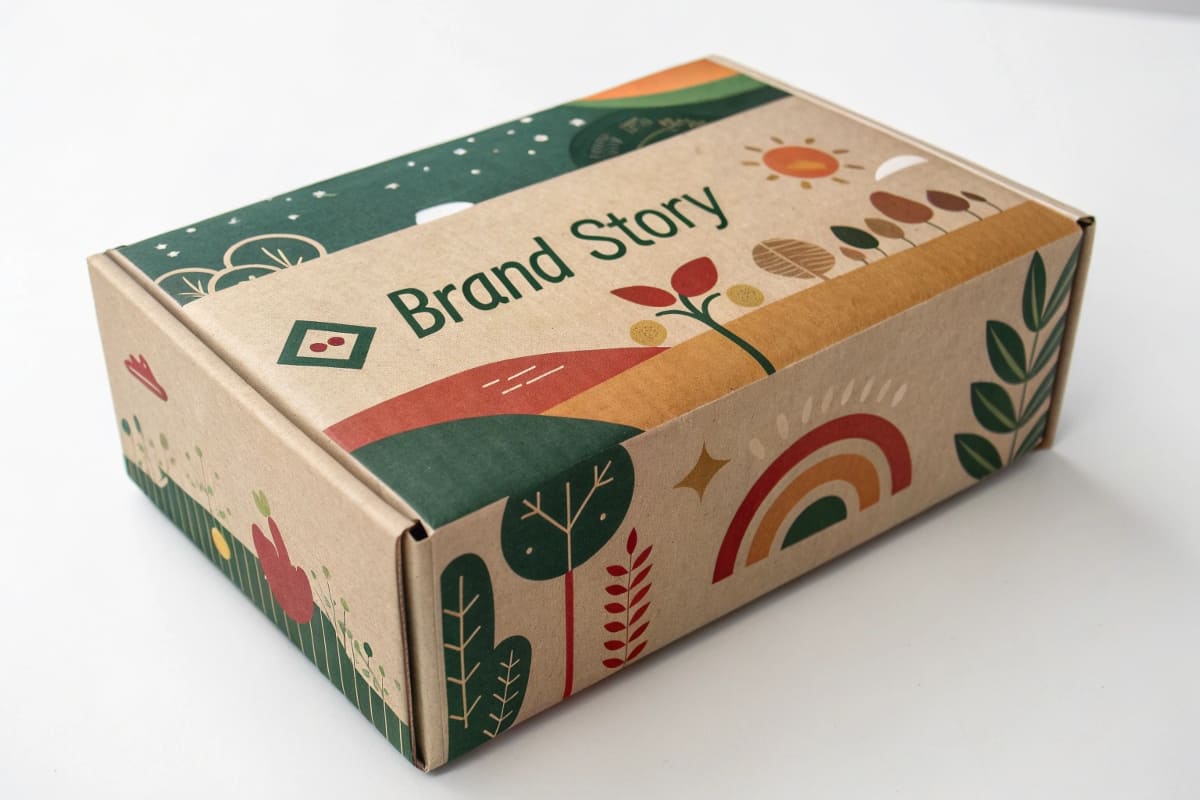
I worked with a small-batch coffee roaster who was passionate about their direct-trade relationships with farmers. Their old packaging was a standard foil bag. It was functional, but it didn't say anything. We redesigned it using a simple, compostable paper bag. On the back, instead of generic tasting notes, we printed a short bio and a picture of the farmer who grew the beans. Sales didn't just go up; they built a community. Customers started asking for coffee from "Maria's farm." The packaging became a vessel for the story, connecting the end-user in a New York apartment to the grower in Colombia. For designers like Jacky, this is where you become a storyteller. The materials you choose and the information you display can communicate your brand’s "why," creating a bond that goes far beyond the product itself.
Weaving Your Narrative into the Box
Every choice you make can reinforce your brand's core message.
- Material as a Message: Using raw, recycled, and minimalist materials clearly communicates a commitment to sustainability. Using heavy, textured, and ornate materials can speak to a heritage of luxury and craftsmanship.
- Show, Don't Just Tell: Instead of just writing "Handmade," can you use a design element that evokes that feeling? A fingerprint-like emboss? A slightly imperfect wax seal?
- Share Your "Why": Use a small portion of the packaging to explain what makes you different. Is your product vegan? Is it made locally? Do you donate a portion of profits? Let the customer know they are buying into a brand that shares their values.
Conclusion
Packaging is your most powerful post-purchase marketing tool. A great unboxing, functional design9, and a clear brand story10 are what turn a first-time buyer into a lifelong, loyal fan.
Learn about strategies to create unforgettable unboxing moments that keep customers coming back. ↩
Explore how the unboxing experience can create emotional connections and enhance customer loyalty. ↩
Understand how to add value after the sale to strengthen customer relationships. ↩
Discover the key elements that foster customer loyalty and how packaging plays a role. ↩
Discover how packaging can foster emotional connections that lead to brand loyalty. ↩
Explore how tactile sensations can enhance the customer experience and brand perception. ↩
Learn about materials that enhance the perception of quality and luxury in packaging. ↩
Explore sustainable packaging options that resonate with eco-conscious consumers. ↩
Discover how functional design can enhance usability and customer interaction with products. ↩
Learn how to use packaging as a storytelling tool to connect with consumers on a deeper level. ↩