

Packaging and Consumer Choices: How Big Is the Influence?
You've designed a superior product, but it's not selling. You watch customers walk past it on the shelf, choosing a competitor with a flashier box, and you can't figure out why.
The influence is immense, often dictating the final purchase decision1. Packaging acts as a powerful, non-verbal communicator, using cues like color, shape, and texture to instantly signal a product's quality, price point, and brand identity2 to the consumer.

I’ll never forget standing in a grocery store aisle years ago, just watching people shop. I saw a woman hesitate between two jars of strawberry jam. One was a well-known brand, the other a smaller label. The smaller one had a beautiful, rustic paper label with a simple illustration and a cloth top. She picked it up, felt the texture of the label, and put it in her cart. She didn't read the ingredients. She didn't compare the price. The packaging told her it was artisanal, wholesome, and special. That was the moment I fully understood: we don't just buy what's inside the box; we buy the story the box tells us.
Does Packaging Really Influence a Purchase in Just 7 Seconds?
You hear that you only have a few seconds to grab a customer's attention. It sounds like an exaggeration. How can a box make such a big impact so quickly?
Yes, absolutely. This is the "First Moment of Truth." In this short window, the consumer's brain makes rapid, subconscious judgments based on visual cues3, well before the conscious mind has time to analyze the product itself.

Our brains are wired for shortcuts. When faced with dozens of choices, we don't have time for a detailed analysis of each one. Instead, we rely on instant emotional responses triggered by what we see. As a designer, you are essentially programming these responses. A few years ago, I helped a coffee brand redesign their packaging. Their original bag was a generic, glossy plastic. We switched to a matte-finish kraft paper bag with minimalist, single-color printing. The coffee inside was identical. Sales jumped by 30%. Why? The new packaging felt more natural, small-batch, and premium. We changed the perception by changing the visual and tactile cues, and that changed the purchase behavior in those critical first few seconds.
The Subconscious Triggers in Packaging Design
You can intentionally use these elements to guide a consumer's perception.
- Color Psychology4: This is the most immediate trigger. Blue conveys trust and reliability (think tech and finance), green signals nature and health, while black and gold suggest luxury and sophistication. These are not just artistic choices; they are strategic communications.
- Structural Shape5: A unique bottle shape or a box with an unusual opening mechanism makes a product stand out physically. It breaks the pattern on the shelf and draws the eye, forcing the consumer to notice it amongst a sea of standard shapes.
- Typography6: The font you choose says a lot. A classic serif font feels traditional and trustworthy. A clean, sans-serif font feels modern and simple. A script font feels personal and elegant. Each one sets a different tone before a single word is read.
Is It Function or Feeling That Sells the Product?
Your primary job is to create a package that protects the product. But you suspect there's more to it. Is the emotional connection7 a 'nice-to-have' or a core requirement for success?
While function is the baseline requirement, feeling is what truly sells. Functional design prevents a negative experience, but emotional design creates a positive one, building the trust and desire that lead to a purchase.

Think about Apple. An iPhone box is a masterpiece of functional design; it's perfectly protective. But that's not why people film themselves opening it. The experience is emotional. The weight of the box, the perfect fit of the lid, the controlled friction as you open it, the way the product is presented inside—it all communicates precision, quality, and care. This reinforces the customer's belief that they bought the best. The function is flawless, but the feeling is what makes it a premium experience8. As a designer, you have to satisfy the logical need for protection first. But your real goal is to create a package that makes the customer feel smart, sophisticated, or cared for. That feeling is what they're really buying.
Balancing Practical Needs with Emotional Appeal
A successful package delivers on both fronts.
- Establishing Trust Through Function: A flimsy box, a leaky bottle, or a dented corner immediately destroys trust. The package's first job is to signal that the brand is competent and cares enough to protect the product properly. This is the foundation upon which emotion can be built.
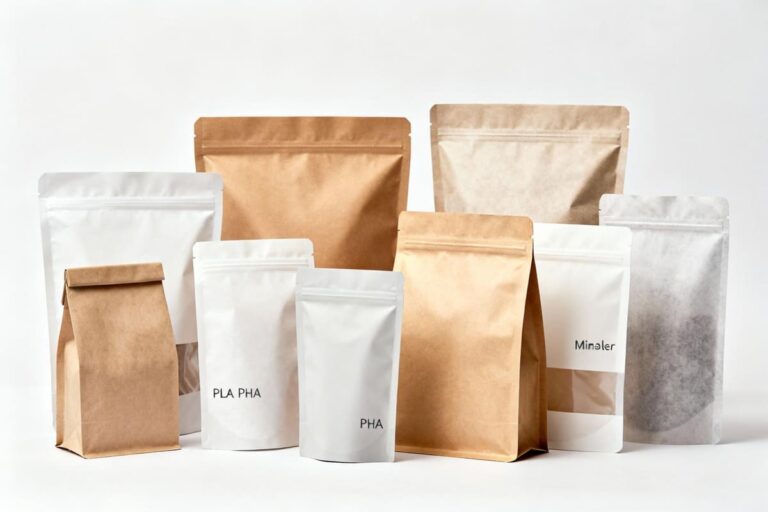
- Communicating Values Through Materials: Material choices have a powerful emotional resonance. Uncoated, recycled paper says "we're natural and eco-conscious." A heavy glass jar says "we're premium and permanent." A sleek aluminum tube says "we're modern and effective."
- Telling a Story with Graphics: The imagery on your package is a micro-story. A picture of a sun-drenched orange grove on a juice carton doesn't just show the flavor; it sells the feeling of a fresh, healthy morning.
| Design Element | Functional Role (Prevents Bad) | Emotional Role (Creates Good) |
|---|---|---|
| Structure | Protects product from damage during transit. | Creates a unique shelf presence and satisfying unboxing. |
| Materials | Provides a barrier against moisture, light, or air. | Conveys values like sustainability9, luxury, or simplicity. |
| Printing/Finish | Displays legally required information and branding. | Creates a tactile experience that signals quality. |
Does the Unboxing Experience Create More Loyal Customers?
You've successfully gotten the customer to buy the product. Is the job done? Or does the experience of opening the package at home actually impact whether they will buy again?
Yes, the unboxing experience10 is critical for loyalty, especially for DTC brands. A thoughtful unboxing validates the purchase, makes the customer feel special, and creates a shareable moment11 that turns a single transaction into a lasting brand relationship.
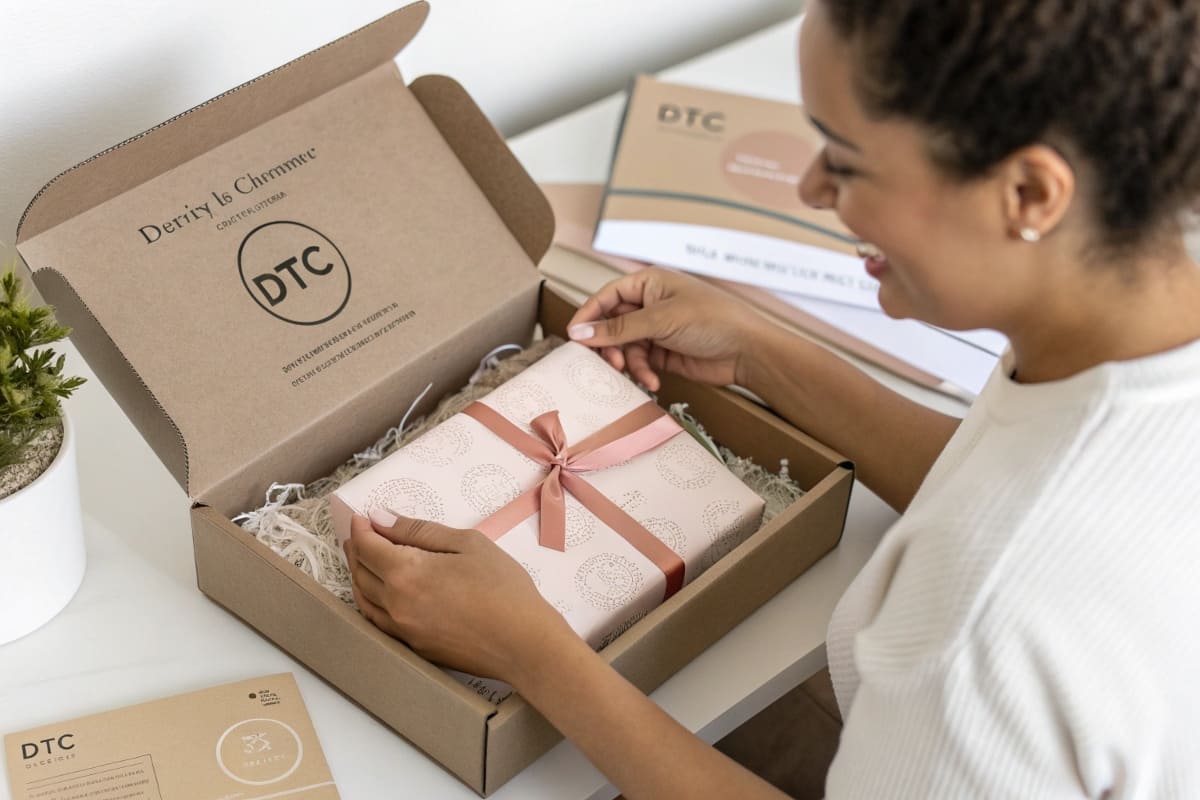
In a traditional store, the sales assistant and the store environment build brand value. In e-commerce, the box has to do all that work by itself. The kitchen counter becomes your retail store. I had a client selling subscription boxes. Initially, they just threw the items in a standard box. Customers were satisfied, but renewal rates were average. We redesigned the experience: a custom-printed mailer, a "Welcome to the club!" message on the inner lid, and products nested in die-cut inserts12. The contents were the same, but the renewal rate increased significantly. The new packaging transformed the delivery from a simple parcel into a monthly gift-opening ritual. It made customers feel like insiders, part of a community, which is the absolute bedrock of brand loyalty.
Engineering a Loyalty-Building Unboxing
The post-purchase experience is your opportunity to start a long-term conversation.
- The Reveal: Don't just put everything in the box. Choreograph the opening. Use layers—a mailer box, then tissue paper, then a welcome card, then the product itself. Each layer builds anticipation and makes the final reveal more impactful.
- Personal Touches: The simplest things can have the biggest impact. A small card with a thank-you message from the founder, a handwritten-style note, or even a sticker with the customer's name makes the experience feel personal and human.
- Encourage Sharing: A great unboxing experience10 is natural user-generated content. A simple prompt inside the lid like "Share your unboxing! #OurBrand" can turn your customers into your most authentic marketing team.
Conclusion
Packaging is not a container; it's a conversation. Its influence is decisive, shaping perceptions and driving choices at every step, from the crowded shelf to the customer's own home.
Learn about the psychological impact of packaging on consumer purchasing behavior. ↩
Learn how packaging communicates a brand's values and personality. ↩
Discover how visual elements in packaging can attract consumers and drive sales. ↩
Understand how colors influence consumer emotions and choices in packaging. ↩
Find out how unique shapes can enhance product visibility and appeal. ↩
Learn how font choices can convey brand identity and influence consumer perception. ↩
Explore how emotional design can enhance customer loyalty and satisfaction. ↩
Understand the elements that contribute to a luxurious packaging experience. ↩
Explore how eco-friendly packaging can attract conscious consumers. ↩
Discover the significance of unboxing in building lasting customer relationships. ↩
Understand the importance of creating memorable experiences that encourage sharing. ↩
Explore how die-cut designs enhance product presentation and customer experience. ↩