How Does Portion Control Improve the Consumer Experience in 3.5g Edible Packaging?
Your customers love your product's taste, but they're hesitant to buy it. They're unsure how much to eat, leading to fear of overconsumption and a negative experience.
Portion control1 in 3.5g packaging2 is critical because it ensures a consistent product experience, prevents accidental overconsumption, and builds essential consumer trust3 for both cannabis edibles4 and premium snacks5.
<sup id=](https://whatapackaging.com/wp-content/uploads/2025/10/37-1.jpg) 6, looking confident and relaxed" title="Positive Consumer Experience with Portion Control Packaging" />
6, looking confident and relaxed" title="Positive Consumer Experience with Portion Control Packaging" />
I once had a client who launched a line of potent, chili-infused chocolates. They were sold in a large, 100g bar. The feedback was all over the place. Some people loved it, but many complained it was "too intense." The problem wasn't the chocolate; it was the portion. People were breaking off huge, inconsistent chunks. We repackaged the exact same product into individually wrapped7 3.5g squares. Suddenly, the reviews changed. People called it "the perfect kick." We didn't change the recipe at all. We just used packaging to guide the consumer to the perfect experience, proving that how you serve a product is just as important as the product itself.
How does portion consistency ensure flavor integrity8?
Your multi-serving snack tastes amazing right after opening. But a week later, the last few pieces are stale and disappointing, leaving a bad final impression on your customer.
Consistent portions ensure each unit is consumed at peak freshness. This perfectly preserves the intended flavor and texture, guaranteeing the ideal sensory experience9 from the first piece to the last.
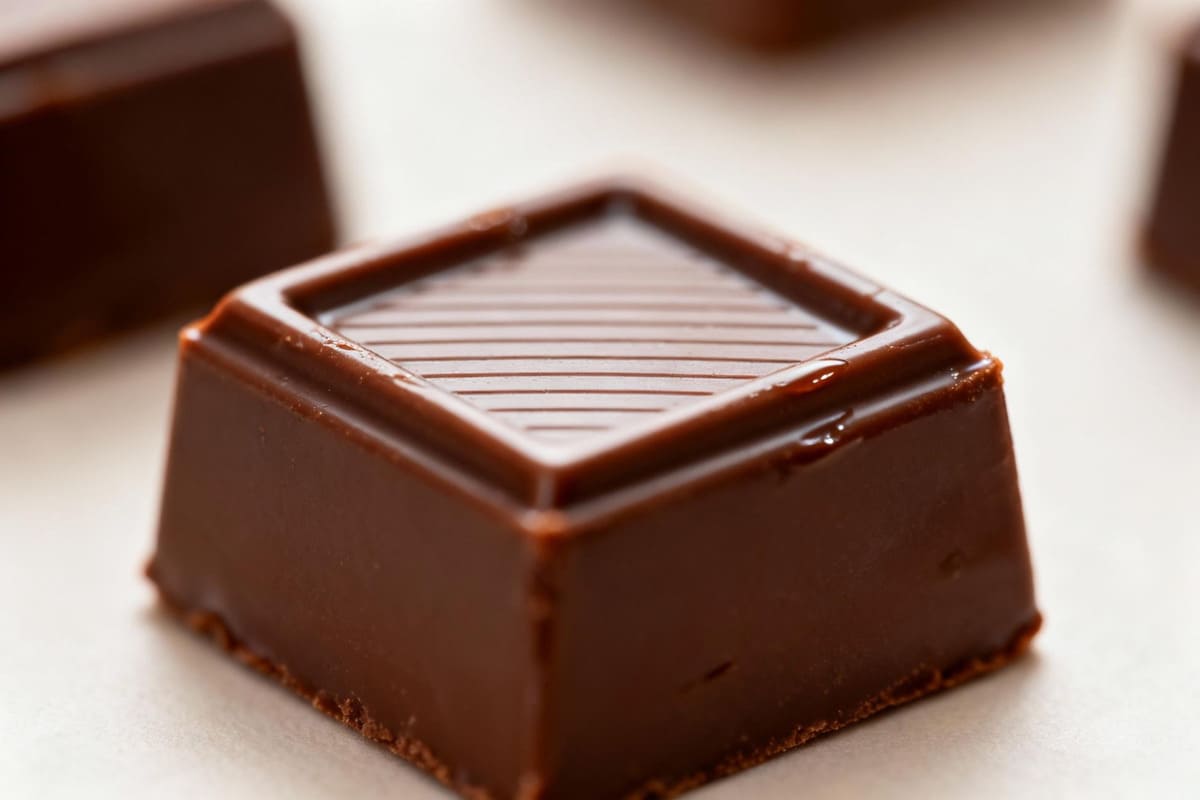
For a product designer like Jacky, the sensory experience is everything. You've worked hard to perfect the flavor, the crunch, the aroma. Portion control is the tool that protects that hard work. When a customer opens a large, resealable bag, the clock starts ticking. Oxygen and humidity immediately begin to degrade the product. The last bite will never be as good as the first. An individually wrapped 3.5g portion solves this problem completely. Each unit is its own perfectly sealed environment, opened only moments before consumption. This isn't just about preventing staleness; it's about preserving the intended taste profile.
| Factor | Large, Resealable Bag | Individually Wrapped 3.5g Portion |
|---|---|---|
| First Bite | Excellent | Excellent |
| Last Bite | Often stale, soft, or flavor-degraded | Excellent (same as the first) |
| Flavor Integrity | Decreases with each opening | 100% maintained until consumption |
| Texture | Loses crispness or becomes hardened over time | Perfectly preserved |
This level of consistency tells the consumer that you care about every single bite they take, not just the first one.
Why is portion control essential for safety in regulated edible markets?
Selling cannabis edibles is inherently risky. A simple dosing miscalculation10 by a consumer can lead to a terrible experience, legal liability, and a ruined brand reputation you can never recover.
In regulated markets like cannabis, precise portion control is non-negotiable. It prevents accidental overconsumption, ensures compliance with strict dosage laws, and builds foundational trust with cautious consumers, making them feel safe.
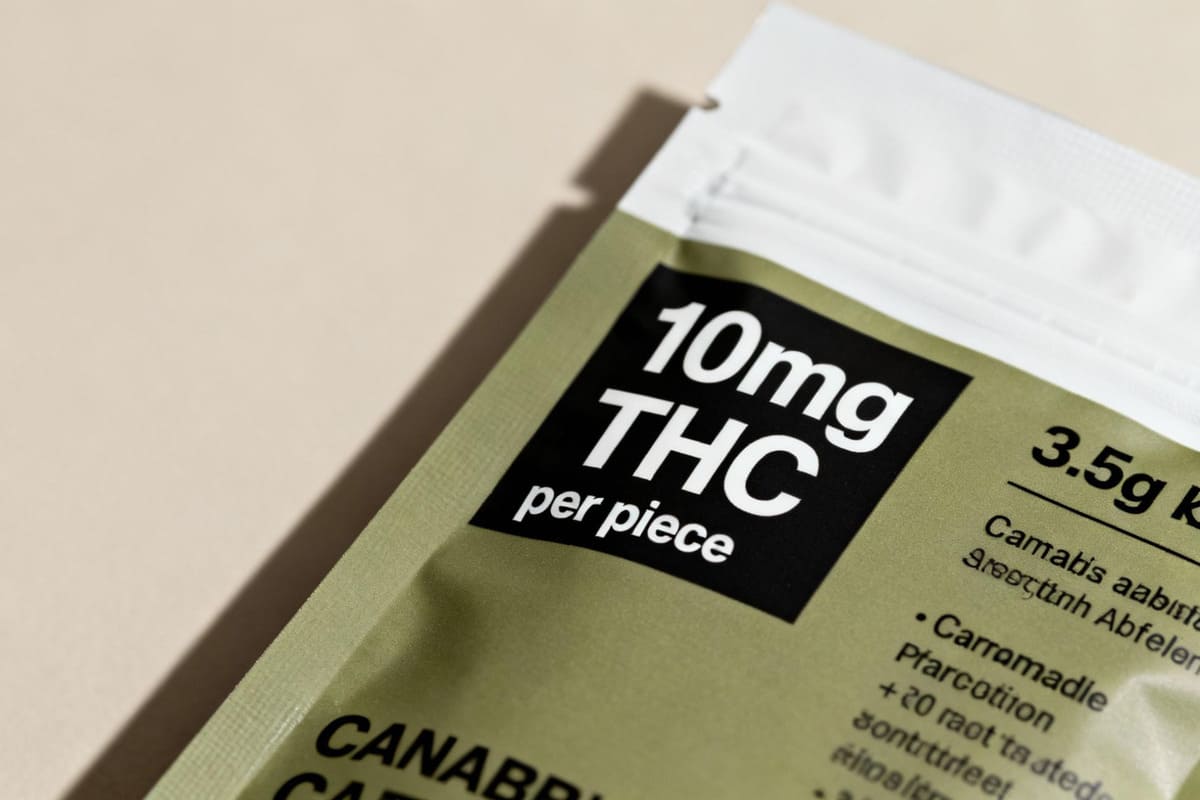
For a designer like Jacky in Canada, this is the most critical aspect. Health Canada and other regulatory bodies11 have stringent rules about THC content per serving for a reason: public safety. The 3.5g package format is the ultimate design tool for meeting these requirements. It allows you to create a product that is one discrete, pre-measured dose. This removes all ambiguity for the consumer. There is no need for them to "eyeball" a serving or cut a larger product into smaller pieces. The psychological impact of this cannot be overstated. For a new or infrequent user, the cannabis market12 can be intimidating. Seeing a product presented in a small, manageable, and clearly labeled dose provides immense reassurance. It transforms your brand from a potential risk into a trusted guide, which is an incredibly powerful position in this growing market. It communicates responsibility and care before the customer even tastes the product.
How do smaller packs help reduce food waste13?
Customers buy your large bag of snacks, eat a handful, and then forget it in the back of the pantry. Days later, it's stale and gets thrown out, wasting your product.
Single-serving 3.5g packs encourage immediate consumption of the entire unit. This eliminates leftovers that go stale, directly reducing food waste and ensuring your product is always enjoyed at its best.

We often think of sustainability in terms of packaging materials, but food waste is an equally significant environmental issue. A surprising amount of food waste happens in the consumer's home, and packaging design14 can either contribute to it or help solve it. Large, "family-size" bags are a major culprit for single-person households. The consumer's intention is good—they think they're getting a value. But in reality, they often fail to finish the product before it spoils. The 3.5g single-serving format is a direct answer to this problem. It is designed to be opened and finished in one sitting. There's no half-eaten bag to misplace, no clip to lose, and no chance for the product to go stale. This is a win for everyone. The consumer enjoys a perfectly fresh product every time, you can be confident your product is always experienced as intended, and less food ends up in the garbage. It's a simple, elegant solution that respects both the product and the planet.
How does portion control influence the consumer's perception of value?
You're selling a premium product, but the large, generic packaging makes it feel like a bulk commodity. It fails to communicate the high quality and craftsmanship of what's inside.
Portion control frames the product not as a bulk snack, but as a curated, single-serving treat. This elevates its perceived value15, justifying a premium price and creating a sense of an affordable luxury.

The way a product is presented has a massive impact on how its value is perceived. Think about the difference between a scoop of candy from a bulk bin versus a single, beautifully wrapped chocolate on a pillow. The product might be similar, but the experience and perceived value are worlds apart. The 3.5g format allows you to position your product in that second category. It signals to the consumer that this is not something to be mindlessly consumed by the handful. Instead, it is a deliberate, special treat to be savored. This is especially effective for premium snacks, functional foods, or gourmet edibles. It creates a ritual around consumption. The act of unwrapping a single, perfect portion feels more intentional and luxurious. This elevated experience allows you to command a higher price point per gram than you could with a bulk product, turning a simple snack into a moment of affordable self-care.
Where do we see this working in confectionery and cannabis edibles?
You see the theory, but you need to know this works in the real world. What are some concrete examples of how brands are using 3.5g portion control successfully?
In confectionery, brands use individually wrapped 3.5g squares to position chocolates as premium indulgences. In cannabis, brands use single 3.5g gummies to represent one precise, reliable dose for safety and consistency.

Looking at successful brands is the best way to see the power of this strategy. Let's start with confectionery. Think of brands like Godiva or Lindt. They often sell assortments where each chocolate is a unique, individually wrapped piece, typically weighing around 3-5 grams. This presentation creates a sense of discovery and luxury. The consumer isn't just eating chocolate; they are having a tasting experience. This strategy allows them to sell chocolate at a significant premium compared to a simple bar. Now, let's look at the cannabis market. A brand I admire, Wana, has built an empire on consistency. Their core product is a tin of gummies, where each gummy is a precisely dosed unit. Customers trust them because they know that one Wana gummy today will provide the exact same effect as one gummy tomorrow. They have used portion control as the foundation of their brand's promise of reliability, making them a go-to for consumers who prioritize safety and predictability.
Conclusion
Portion control in 3.5g packs is a masterstroke of user-centric design. It delivers consistency, safety, and a premium feel, building unwavering consumer trust and elevating your brand's entire identity.
Explore how portion control enhances consumer experience and promotes responsible consumption. ↩
Learn about the advantages of 3.5g packaging in ensuring consistent dosing and consumer satisfaction. ↩
Discover strategies for building trust with consumers through effective packaging and portion control. ↩
Find out how proper packaging can enhance safety and compliance in the cannabis market. ↩
Understand the characteristics that elevate snacks to premium status and attract discerning consumers. ↩
Explore the unique qualities that differentiate gourmet treats from regular snacks. ↩
Learn how individually wrapped snacks can improve freshness and consumer enjoyment. ↩
Investigate the role of packaging in preserving flavor and texture for an optimal eating experience. ↩
Learn about the role of sensory experiences in enhancing consumer satisfaction. ↩
Understand the potential consequences of improper dosing in cannabis edibles. ↩
Discover how regulatory bodies ensure food safety and compliance in the market. ↩
Stay updated on the latest trends and innovations in the rapidly evolving cannabis market. ↩
Explore innovative solutions to minimize food waste, including the impact of portion control. ↩
Investigate the influence of packaging design on consumer choices and brand perception. ↩
Discover how effective packaging can elevate the perceived value of food products. ↩