How Does Packaging Design Influence Cannabis Consumer Trust?
Your beautifully designed cannabis package sits on the shelf, but customers hesitate. They’re reaching for a competitor’s product that looks plainer but somehow feels more legitimate and safe.
Packaging design influences cannabis consumer trust1 by visually communicating authenticity, consistency, and safety. Elements like clear labeling2, quality materials3, and verification features4 assure customers they are buying a legitimate, tested product.
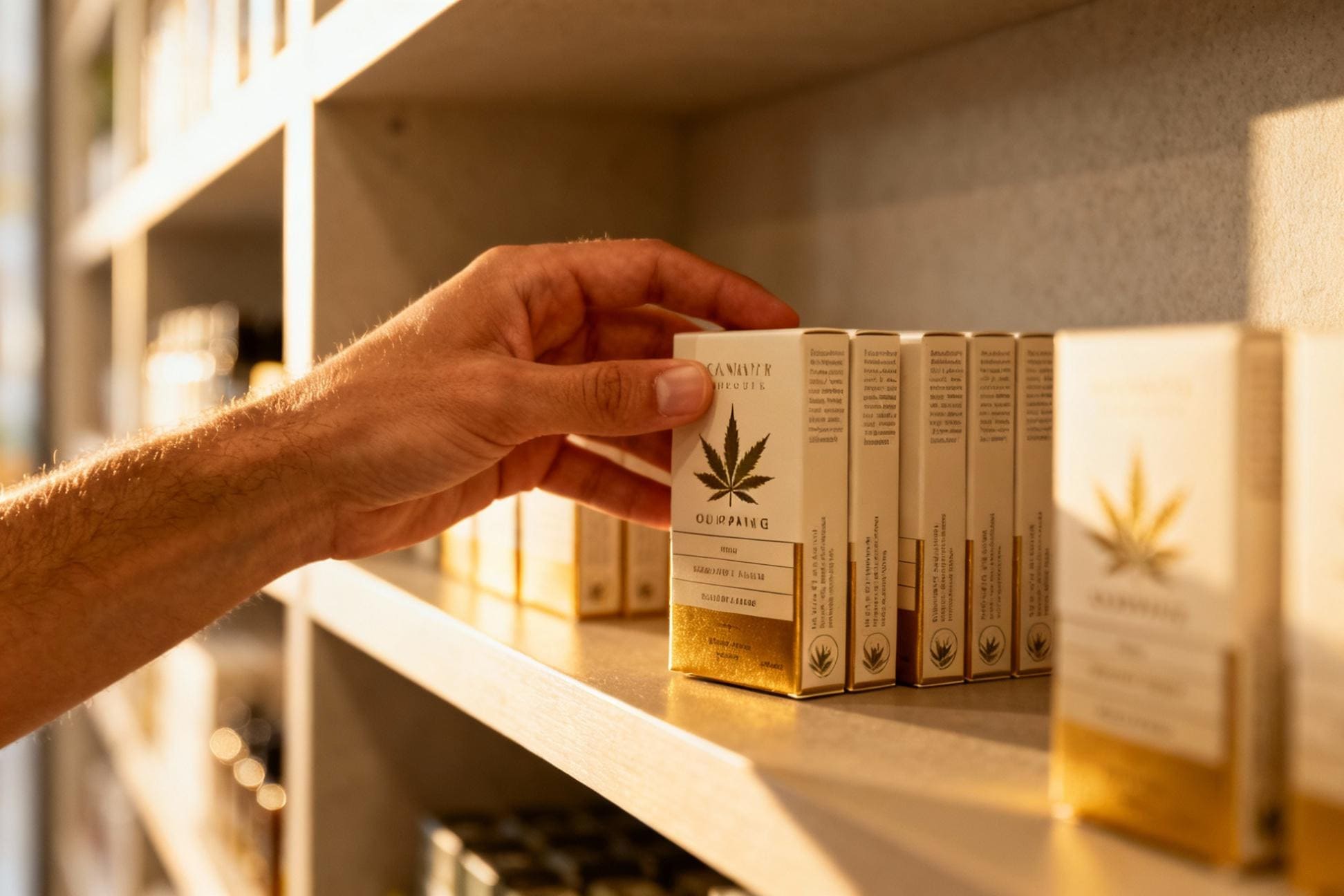
I once worked with a startup cannabis edible brand. They had an incredible product, but their initial packaging was all over the place. They used playful, cartoonish graphics that, while creative, made potential customers nervous. Was this a serious, safe product or a gimmick? Sales were flat. We did a complete redesign, shifting to a clean, minimalist aesthetic with a clear window to see the product, a consistent font hierarchy, and a prominent QR code5 for lab results6. The impact was immediate. Sales tripled in the first quarter after the relaunch. It wasn't the product that changed; it was the perception of it. We proved that in the cannabis space, trust is the most valuable brand asset7, and packaging is its primary messenger.
What Elements Make Cannabis Packaging Trustworthy?
You have a great product, but the packaging feels cheap or looks inconsistent. Customers are unsure if they can trust what's inside, and your brand is suffering for it.
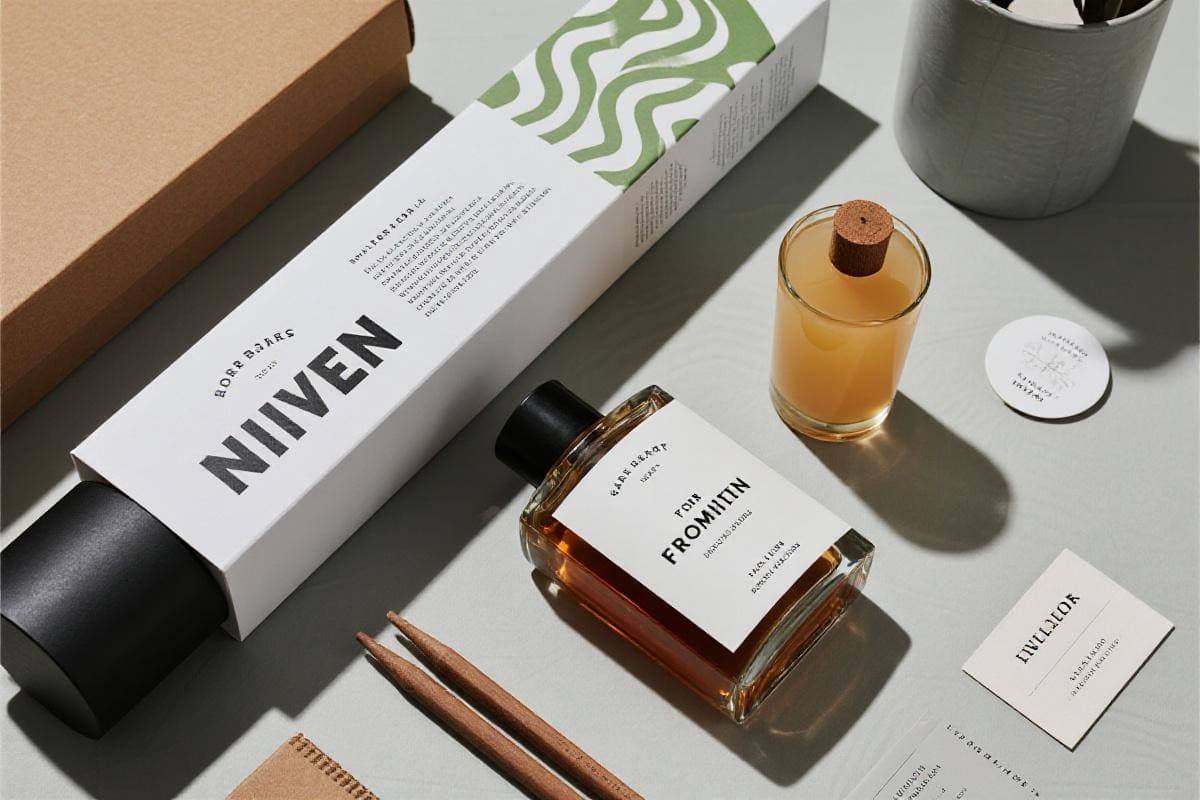
Trustworthy packaging relies on a combination of professional design and tangible quality8. This includes consistent typography9, purposeful color choices, transparent product windows10, and premium materials11 that feel substantial and safe.
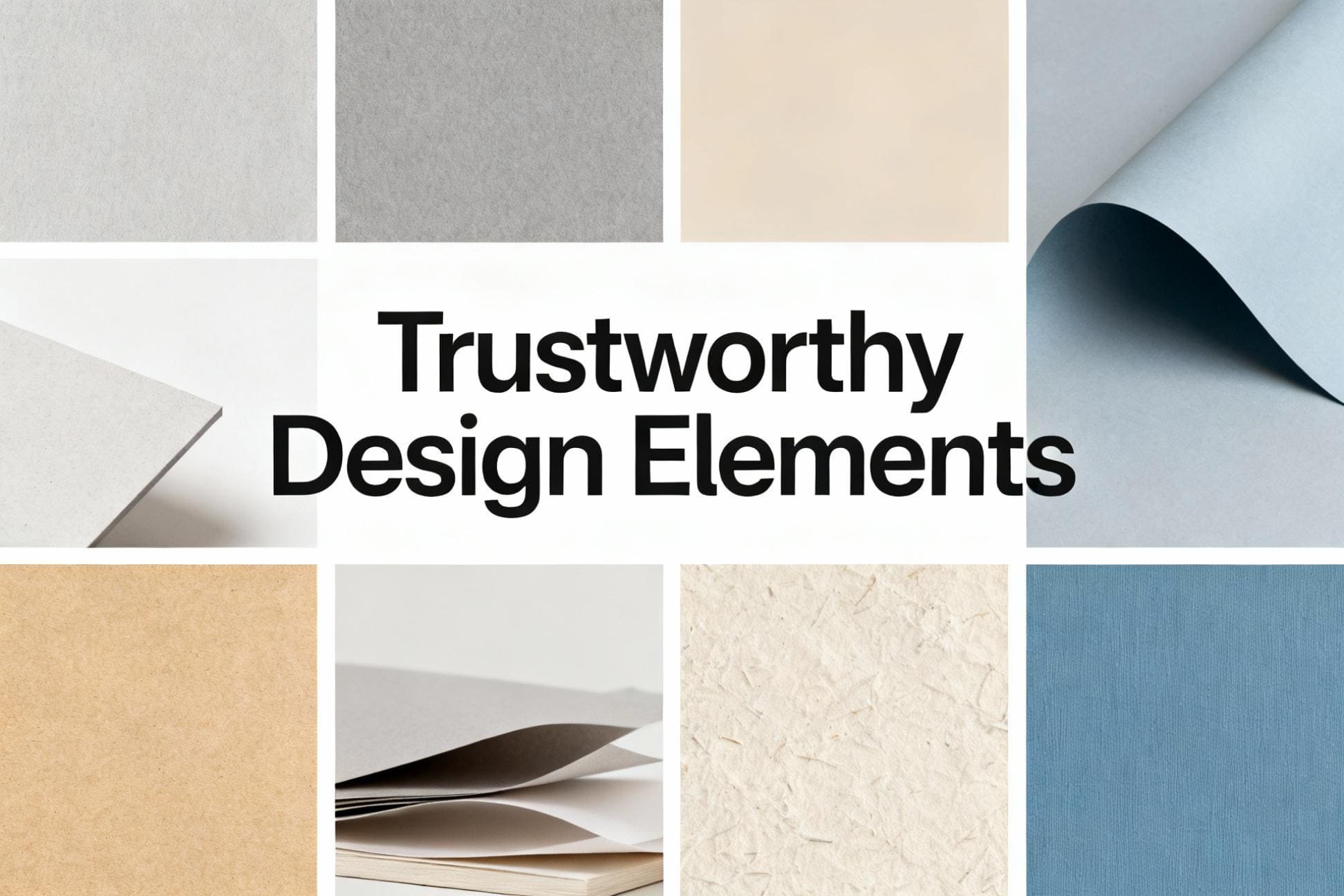
For a designer like Jacky, these elements are your toolkit for building confidence. It starts with the basics. Consistency in your typography and logo usage across all products creates a professional, unified brand front. Clashing fonts or a stretched logo can make a brand look amateurish and untrustworthy. Color psychology also plays a huge role. Greens and blues can evoke feelings of nature and calm, while a clean white background can signify clinical precision and safety. But trust isn't just visual; it's tactile. The physical feel of the package is a powerful signal of quality. A flimsy box or a cheap plastic jar can undermine everything your visual design is trying to achieve. Using thick, sturdy paperboard or weighty glass tells the customer you invested in quality, which implies you also invested in the quality and safety of the product inside.
The Psychology of Trustworthy Design
| Element | Psychological Impact | Design Application |
|---|---|---|
| Color | Evokes emotion. Green=Natural, White=Clinical, Blue=Calm. | Use a consistent, limited color palette that reflects your brand’s promise. |
| Typography | Clean, legible fonts convey professionalism and clarity. | Choose one or two font families and use them consistently. |
| Transparency | A window showing the product builds honesty; nothing to hide. | Strategically place a die-cut window to showcase the flower, edible, or vape. |
| Material | Heavy, quality materials signal a premium, safe product. | Opt for materials like thick cardstock, glass, or metal over flimsy plastic. |
How Do Verification Labels Build Consumer Confidence?
In a market flooded with counterfeits, customers are skeptical. They worry that the product they're buying might be fake or untested, eroding trust before the sale is even made.
Verification features like QR codes and holographic seals12 provide tangible proof of authenticity. They empower consumers to instantly verify lab results and product legitimacy, transforming doubt into confidence right at the point of sale.
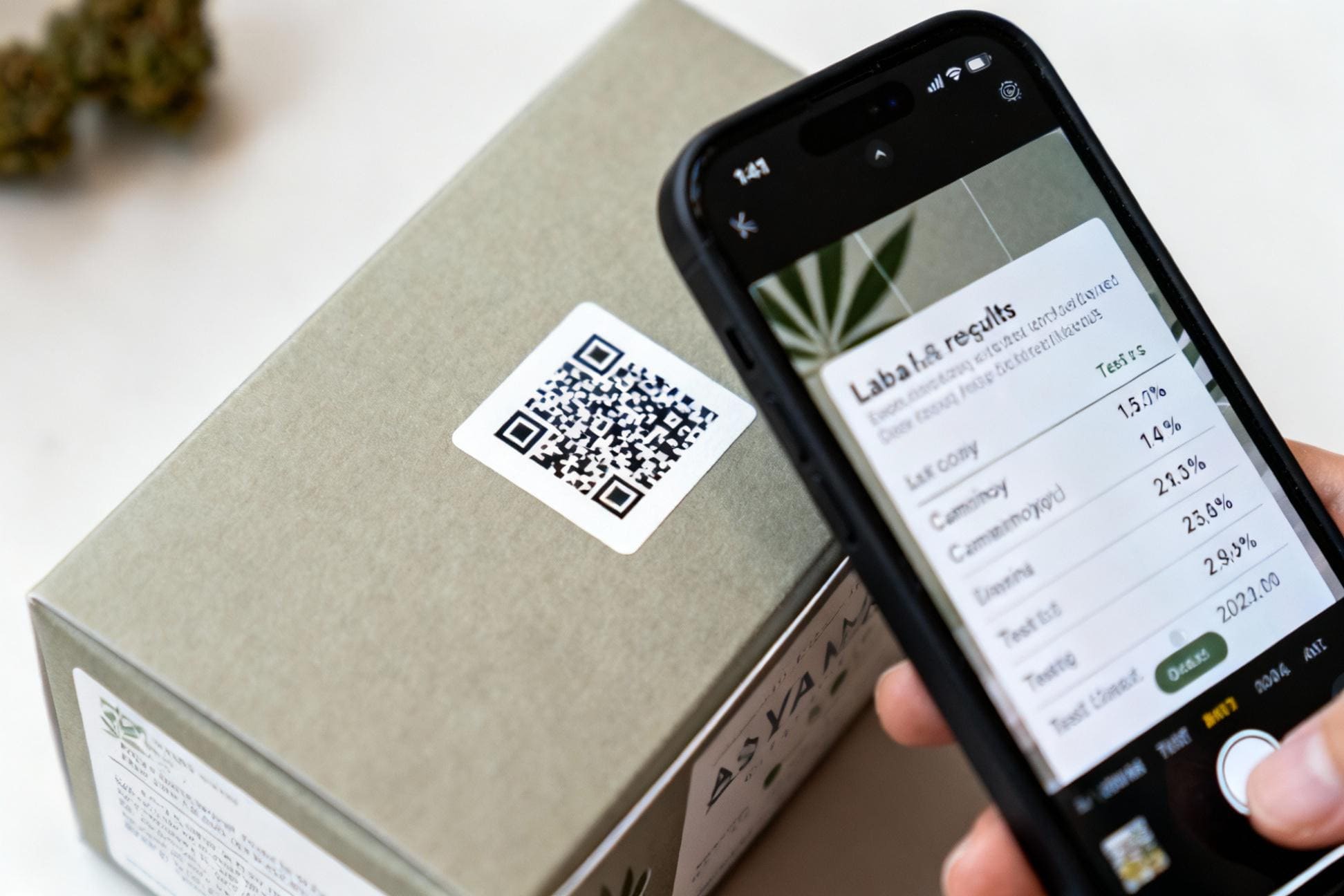
For designers, incorporating these features is no longer optional; it's a core part of building a trustworthy brand experience. The "Scan to Verify" call-to-action is a powerful tool. When a customer scans a QR code, they shouldn't just be sent to a generic homepage. The best user experience leads them directly to a mobile-optimized page showing the specific lab results for the batch they are holding in their hand. This includes cannabinoid profiles, terpene analysis, and pesticide testing. It’s radical transparency. Holographic seals or custom tamper-evident labels add another layer of security. These are difficult to counterfeit and provide an immediate visual cue that the product is factory-sealed and untampered with. Integrating these elements thoughtfully into your design—not just slapping them on as an afterthought—shows that your brand prioritizes safety and is proud of its product's quality.
What Can We Learn From Successful Trust-Building Designs?
You see other brands succeeding and wonder what their secret is. How have they used their packaging to become a trusted name while your brand struggles to gain traction?
Successful brands build trust by either embracing clinical transparency or mastering authentic storytelling. The first approach uses minimalist, lab-style design to showcase data, while the second uses premium materials to tell a quality story.
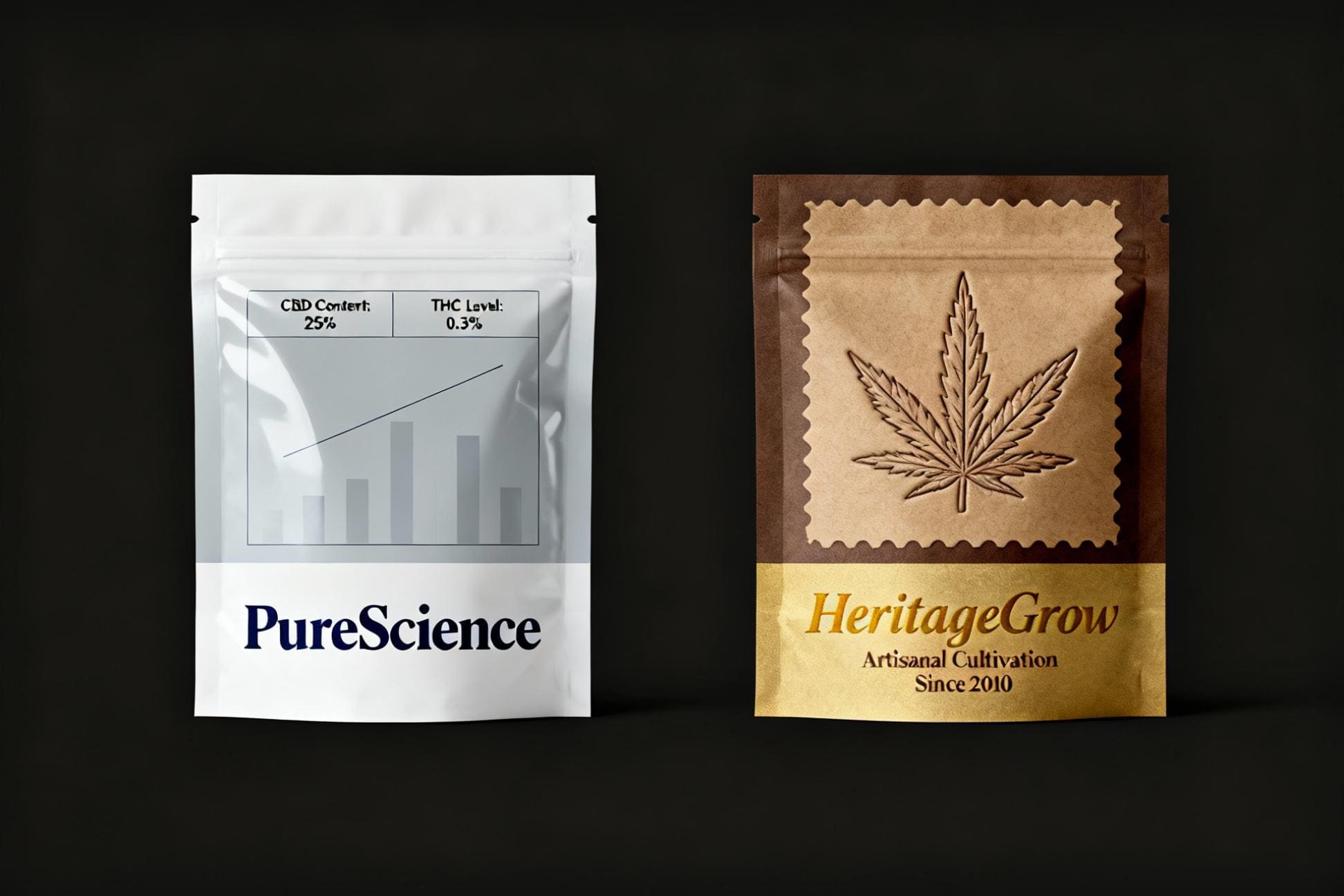
Let's look at two hypothetical but common approaches. Brand A, "PureForm Labs," targets a consumer who is highly concerned with safety and potency. Their packaging is stark white, with sans-serif fonts, looking almost like a pharmaceutical product. The most prominent feature on the box is a large QR code next to the label "View Third-Party Lab Results." They don't focus on lifestyle imagery; they focus on data. Their trust signal is scientific proof. As a result, they've become the go-to for customers who prioritize tested safety above all else. In contrast, Brand B, "Artisan Growers," targets a connoisseur audience. Their packaging uses thick, recycled paper stock with an embossed logo. Their story is about the craft and quality of their cultivation. Their trust signal is the premium, tactile feel of the packaging, which implies a high-quality, craft product13 inside. Both brands build trust, but they do it in completely different ways by understanding their specific customer's definition of "trustworthy."
How Can You Measure Trust Through Consumer Feedback?
You've launched your new, trustworthy-looking packaging. But how do you know if it's actually working? Are you building real brand trust, or did you just make something that looks nice?
You can measure trust by analyzing consumer feedback14 channels. Scrutinize online reviews for keywords like "safe" or "legit," use A/B testing15 on your website for different packaging visuals, and track word-of-mouth recommendations.
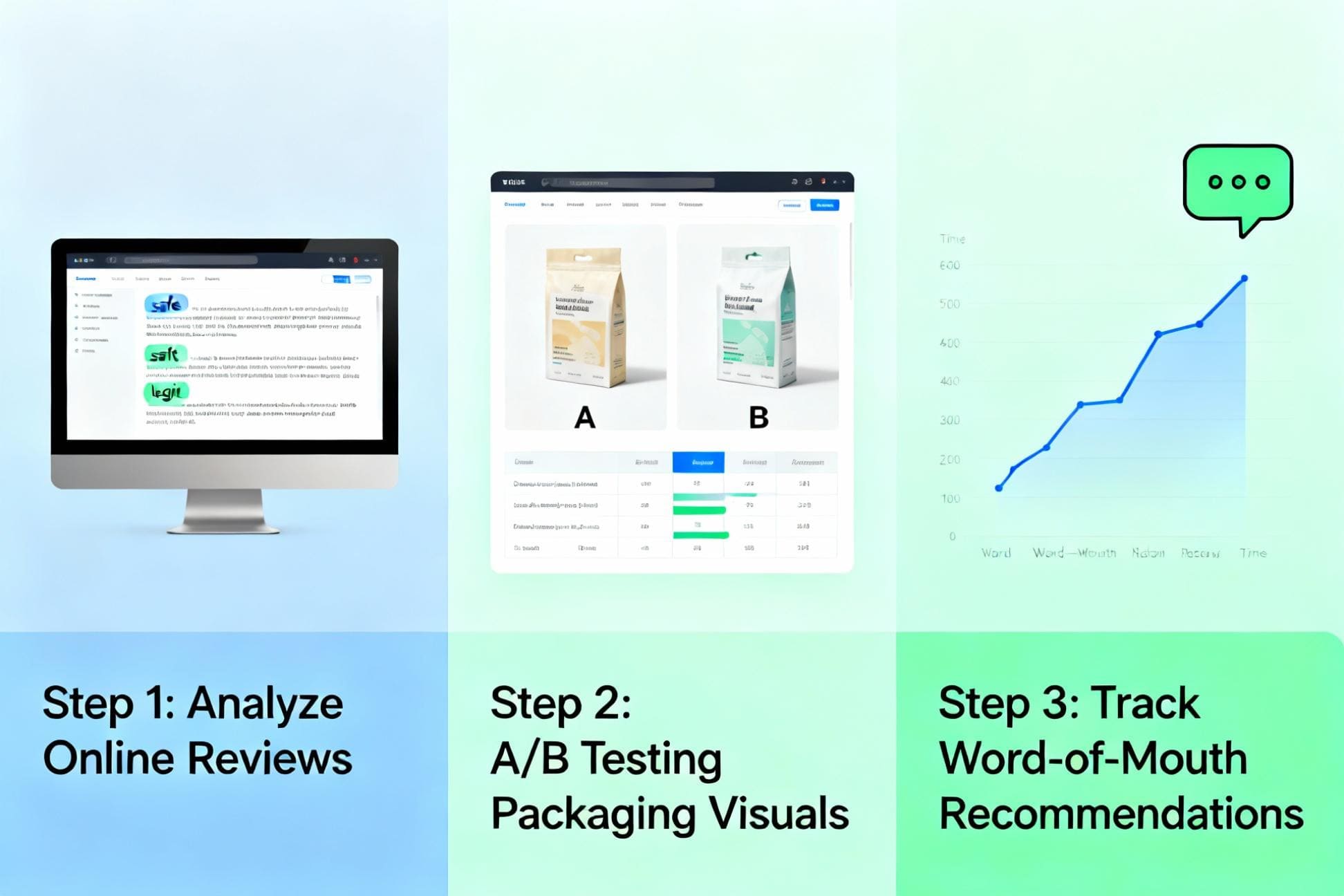
Measuring a feeling like "trust" can seem abstract, but you can find concrete data if you know where to look. A great starting point for a designer like Jacky is to work with the marketing team to analyze online product reviews. Look for language that goes beyond the product's effects. When customers voluntarily mention that the "packaging felt professional" or that they "trusted the product because of the sealed container," that is direct evidence your design is working. Another powerful tool is A/B testing. Before a full-scale launch, you can run social media ads showing two different packaging concepts to the same audience. The design that gets a higher click-through rate or more positive comments is likely perceived as more trustworthy. Finally, track brand mentions and referrals. When you see customers recommending your brand to others in online forums as a "safe" or "reliable" choice, you know your packaging is successfully laying the foundation of trust.
Conclusion
Packaging is your brand's first promise to the consumer. By using clear design, quality materials, and verifiable authenticity, you can build a foundation of trust that turns a first-time buyer into a loyal customer.
Understanding consumer trust in cannabis can help brands tailor their marketing strategies effectively. ↩
Clear labeling is crucial for compliance and consumer confidence; learn more about its impact. ↩
Discover which materials enhance the perception of quality and safety in cannabis products. ↩
Learn how verification features can enhance transparency and trust in cannabis products. ↩
QR codes provide instant access to product information, boosting consumer confidence. ↩
Lab results are essential for transparency; find out how they influence purchasing decisions. ↩
Trust is crucial for brand loyalty; explore why it's a key asset in the cannabis industry. ↩
Tangible quality can influence consumer trust; discover how to achieve it in design. ↩
Typography plays a key role in brand perception; learn how to choose the right fonts. ↩
Transparent windows can enhance trust; learn how they affect consumer perceptions. ↩
Premium materials can enhance brand perception; explore their advantages in packaging. ↩
Holographic seals provide a visual cue of authenticity; discover their importance. ↩
Understanding craft products can help brands connect with their target audience effectively. ↩
Consumer feedback is vital for assessing trust; learn how to analyze it effectively. ↩
A/B testing can provide insights into consumer preferences; discover its benefits. ↩