
How Can Brands Use QR Codes to Verify Cannabis Product Authenticity?
Your brand is at risk. Counterfeit products can destroy your reputation and harm customers. You need a simple, effective way to prove your product is the real deal.
QR codes verify cannabis product authenticity1 by linking to secure databases2. They show batch-specific lab results3, harvest dates4, and compliance details5, which builds instant consumer trust6 right from the package.

I worked with a client who faced a devastating counterfeit issue. Fake versions of their popular vape carts appeared on the gray market, leading to a public relations nightmare. Their customers were scared, and sales plummeted. They thought they needed a massive, expensive packaging overhaul. Instead, the solution was a small, powerful square printed on their box. This simple technology became their brand's most powerful shield against fakes. It rebuilt trust almost overnight. Let's break down how you can do the same.
What is product authentication7 in the cannabis industry?
Regulations are tight, and counterfeits are a real danger. How do you officially prove that your product is genuine, safe, and meets all legal standards in this complex market?
Product authentication is the process of verifying a cannabis product is legitimate. It confirms the item is safe, compliant with laws in the U.S. and Canada, and not a dangerous fake.
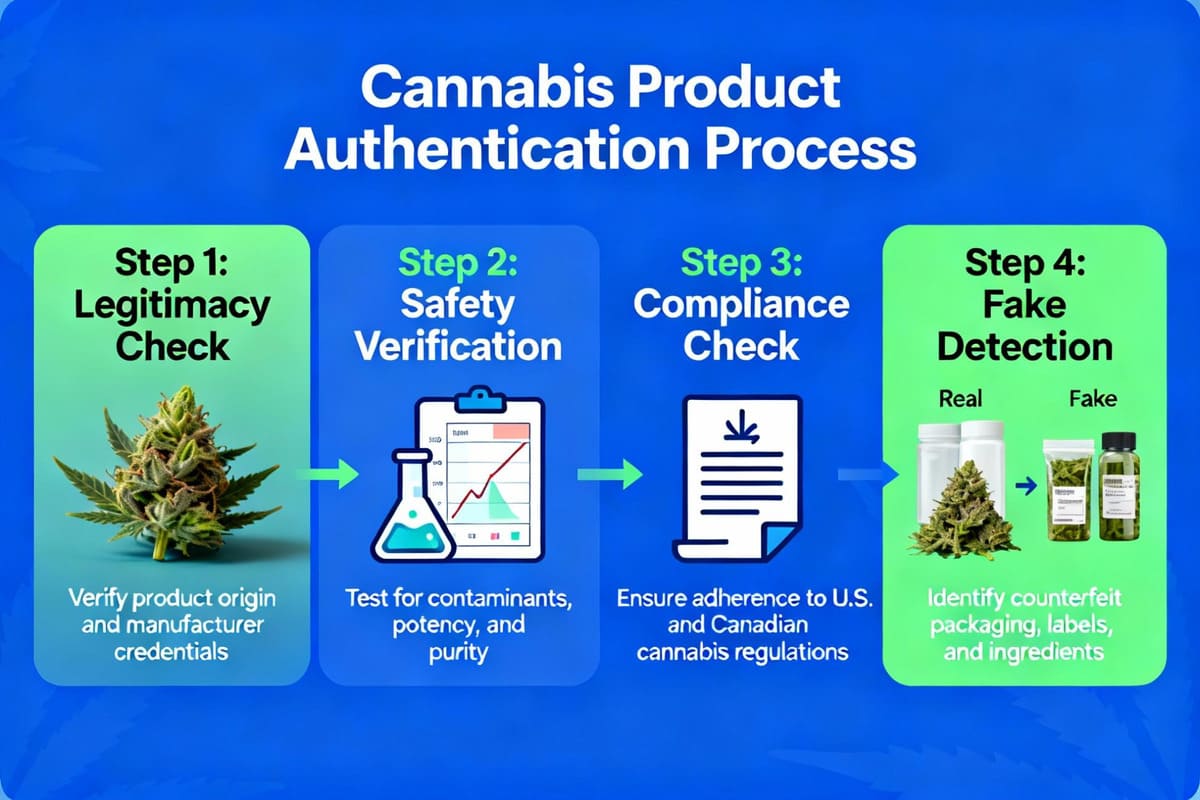
For a designer like Jacky, product authentication isn't just a tech feature; it's a core part of the brand's promise. At its heart, it’s about providing proof. In our industry, this proof must address three key areas. First is safety. Counterfeit products can contain harmful cutting agents or pesticides, posing serious health risks. Authentication systems link to lab results that prove your product is clean. Second is compliance. Governments in Canada, the U.S., and the EU have strict rules for packaging and labeling. Authentication confirms your product meets these legal standards. Finally, it protects brand reputation. A single bad experience with a counterfeit can destroy the trust you've worked years to build. Authentication is your frontline defense, ensuring every customer gets the genuine, high-quality experience you designed for them.
Why are QR codes such an effective solution?
You need a verification system, but security features like holograms are expensive and NFC chips require new hardware. How can you offer robust authentication without breaking your budget?
QR codes are effective because they are cheap to print, instantly accessible with any smartphone, and highly customizable. They offer a secure and scalable way to deliver real-time product data8 directly to consumers.
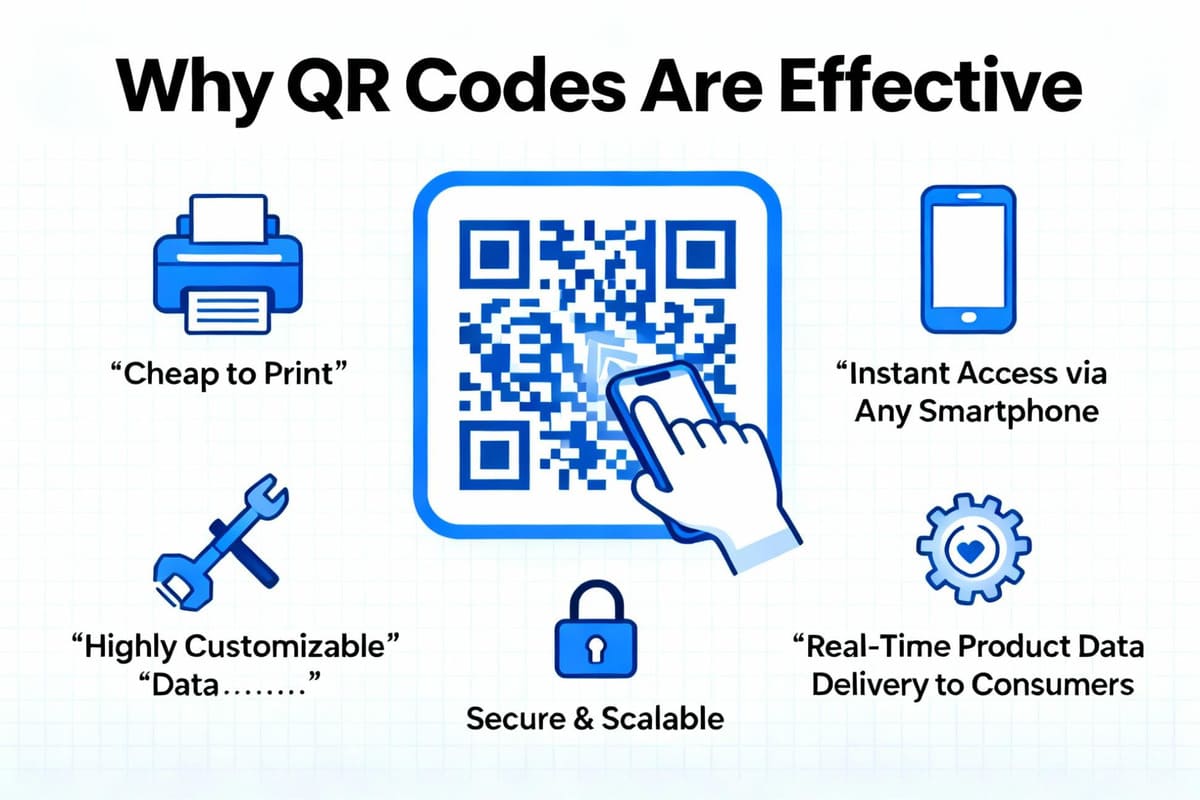
I always tell my clients that the best solutions are simple and powerful. QR codes fit that description perfectly. Their biggest advantage is that everyone already has the tool to use them: their smartphone. There's no special app or hardware needed. This instant access makes it easy for a curious customer to scan your package in the store and get immediate peace of mind. From a production standpoint, it’s incredibly cost-effective. Printing a unique QR code on a label costs pennies, a fraction of the cost of embedded chips. But low cost doesn't mean low security. When linked to a secure database, each QR code can have a unique ID that prevents cloning. For a designer, they are also a great canvas for branding, allowing you to add logos or match brand colors.
How do you implement QR codes in cannabis packaging?
You're sold on the idea, but the technical side seems complicated. How do you go from a simple square image to a secure, seamless authentication system for your brand?
Start by choosing dynamic QR codes9, which let you update a link's destination. Then, integrate with a secure product database. Finally, design the code for easy scanning on the package.
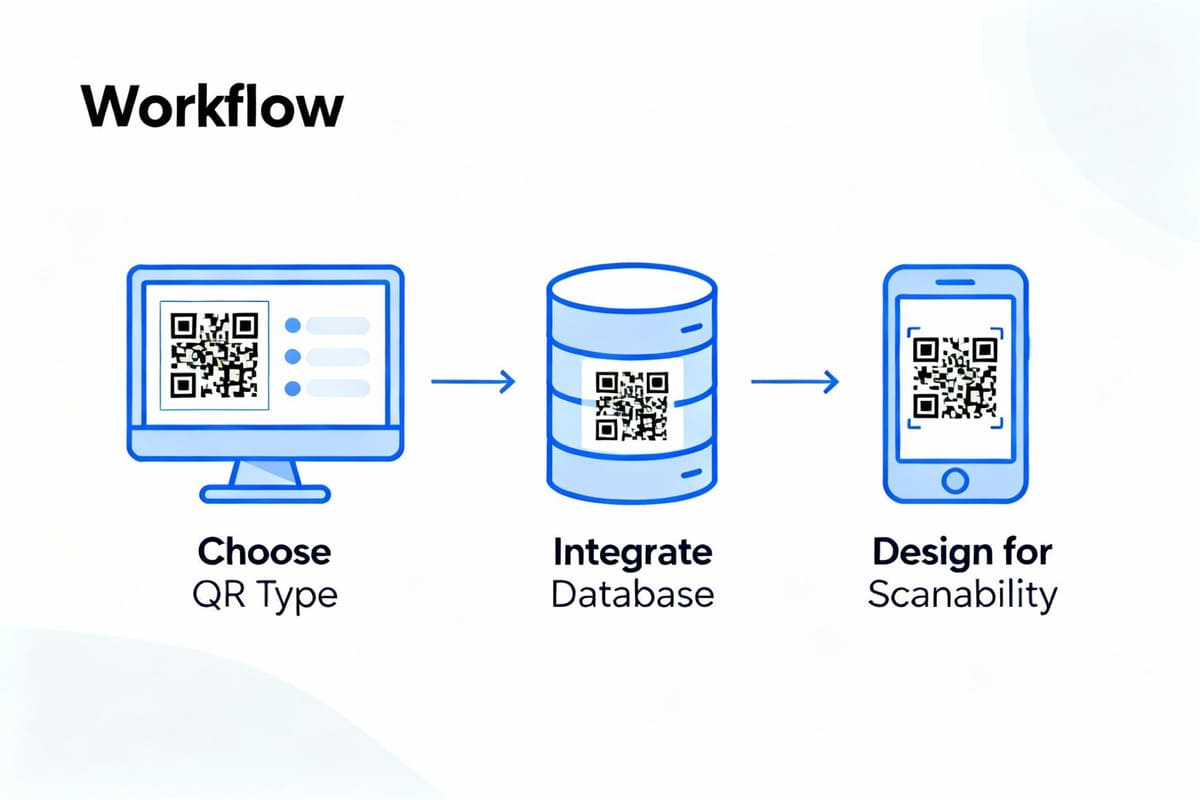
Implementing QR codes is a three-step process that requires collaboration between design and IT. It’s an area where a designer like Jacky can really guide the process to ensure a great user experience.
Choose a QR Code Generation Method
The first decision is static versus dynamic codes. A static QR code has the destination URL embedded in the image itself; if the link needs to change, you have to print new packaging. A dynamic QR code points to a fixed redirect URL that you control. This allows you to update the final destination link anytime without reprinting. For product packaging, dynamic is always the better choice. It offers flexibility for marketing campaigns or system updates down the line.
Integrate with a Secure Product Database
This is the "brain" of your system. The QR code is just the key; the database is the lock. For ultimate security, some brands use blockchain-based systems10. A blockchain is a decentralized ledger that's nearly impossible to tamper with, providing an ironclad record of a product's journey from farm to shelf. A more common method is a centralized, secure database that you control. The key is that each product batch gets a unique entry that the QR code links to, making it hard to counterfeit.
Design Considerations
Finally, the physical design is crucial for success. The code needs to be easy for a phone camera to read. I recommend a minimum size of 0.8 x 0.8 inches (about 2 x 2 cm). It must be printed clearly with high contrast—a black code on a white background is best. Placement matters, too. Position it on a flat, easily accessible part of the box or label, away from folds or busy graphics that could interfere with scanning.
What information should cannabis QR codes include for compliance?
You know the QR code needs to link somewhere, but what information is most important? What data will satisfy regulators and earn the trust of a skeptical consumer?
Cannabis QR codes must link to batch-specific, third-party lab results for potency and purity. They should also include the packaging date11, expiration date12, and any relevant state or provincial compliance licenses.
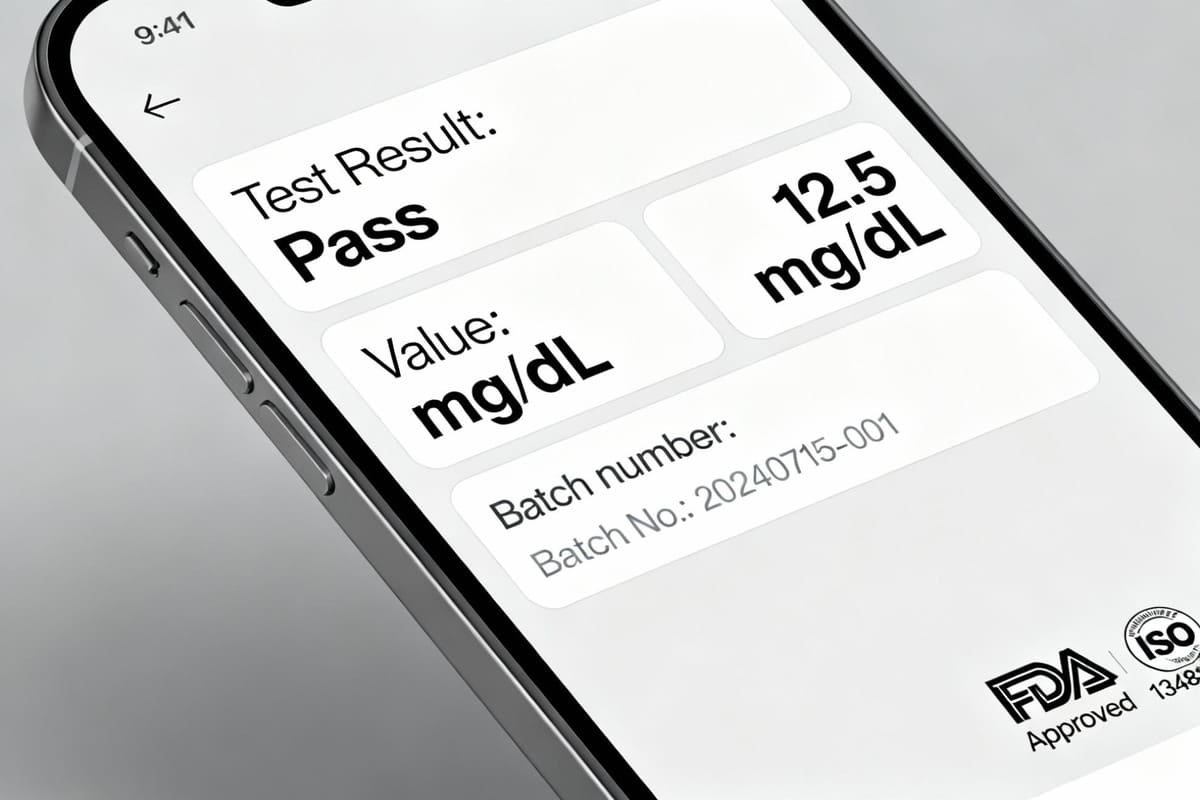
When a customer scans your code, they are looking for transparency. The goal is to give them everything they need to feel safe and informed in one place. The absolute non-negotiable is the Certificate of Analysis (COA)13 from a third-party lab. This report should clearly show the cannabinoid profile (THC/CBD levels) and confirm the product passed tests for pesticides, heavy metals, and molds. This is the ultimate proof of safety. Beyond the COA, include basic but critical product data: the specific batch or lot number, the date the product was packaged, and its expiration date. Finally, to demonstrate legal legitimacy, including information like your local cultivation or manufacturing license number adds another strong layer of trust. This complete data package answers every question a consumer or regulator might have.
How can QR codes be used for marketing beyond authentication?
Authentication builds trust, which is great for the first sale. But how can this small square help you build a relationship with customers and drive repeat business?
Beyond verification, QR codes can link to loyalty programs14 where customers earn points with each scan. They can also upsell related products or even launch augmented reality (AR) experiences15.
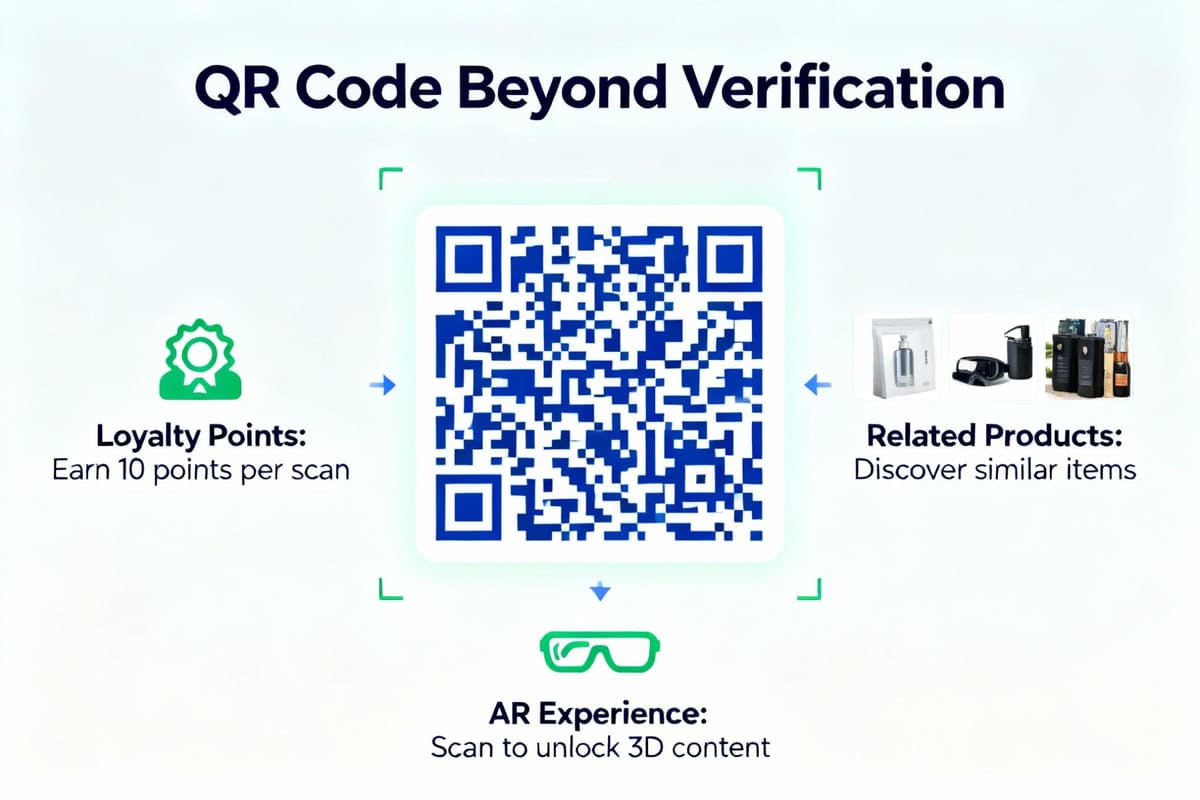
Once you've earned a customer's trust with authentication, the QR code becomes a powerful marketing channel. I've seen brands do amazing things with this. One client linked their QR codes to a simple landing page that not only showed the lab results but also featured a "You Might Also Like" section with complementary products. Their upsell rate increased by 15%. Another popular strategy is a loyalty program. Set it up so that when a customer scans to verify their product, they can also sign up to earn points toward their next purchase. This is a brilliant way to encourage repeat buys. For brands wanting to be on the cutting edge, AR is the next frontier. Imagine a customer scanning your flower jar and seeing a 3D visualization of the plant appear on their screen. It's an unforgettable experience that builds a deep brand connection.
What common mistakes should be avoided with QR codes?
You're ready to add QR codes, but you're worried about getting it wrong. What are the simple pitfalls that can turn a great tool into a frustrating experience for your customers?
The most common mistakes are linking to a broken or outdated URL, prioritizing marketing over essential authentication data, and failing to optimize the landing page for mobile viewing.
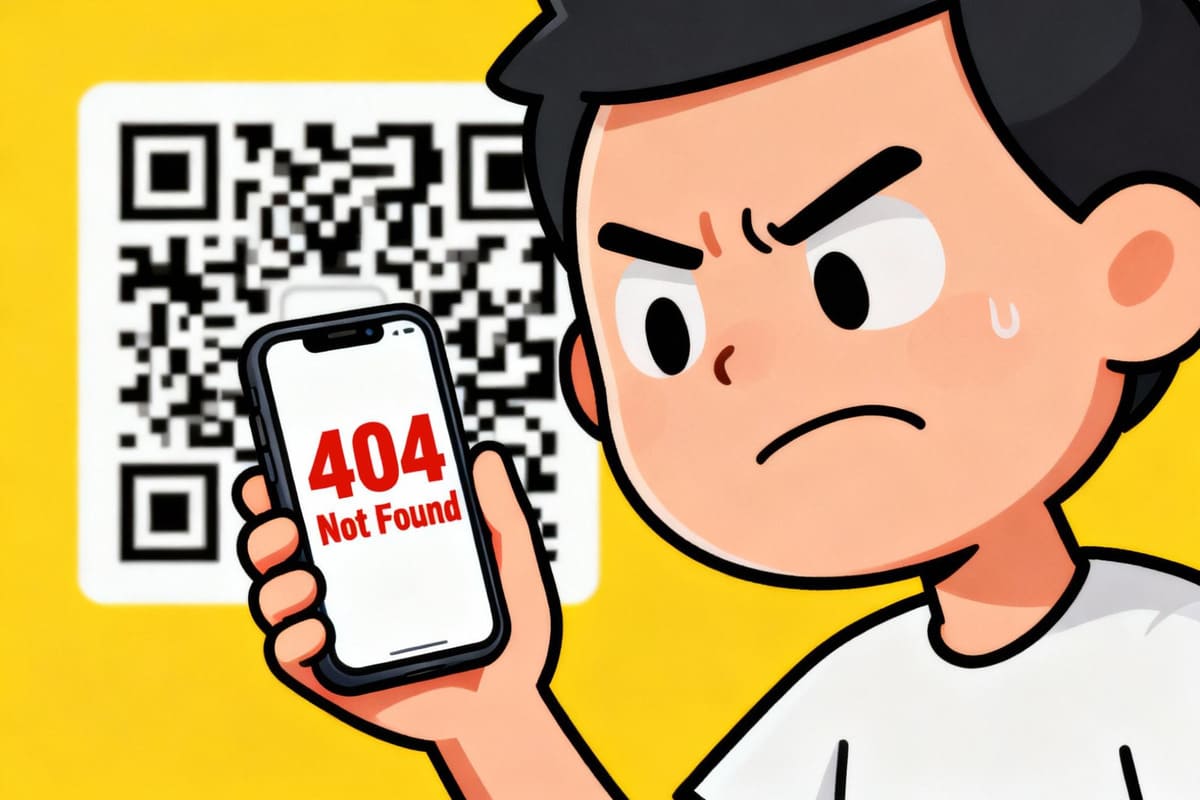
Getting QR codes right is about avoiding a few simple but critical errors. The worst mistake you can make is a broken link. I've seen this happen—a brand reprints thousands of boxes, only to realize the URL on their static QR code is wrong. It makes the brand look unprofessional and breaks all trust. Always use dynamic QR codes and test them religiously. Another mistake is putting marketing first. If a customer scans to check for safety and is hit with a pop-up ad, they will be annoyed. Always present the authentication data first and foremost. Make marketing secondary. Finally, you must remember that 100% of QR code scans happen on a mobile phone. If your landing page is a clunky desktop site that forces users to pinch and zoom, they will give up. Design for mobile first.
What are the future trends in cannabis packaging verification?
QR codes are the standard now, but what's next? As a designer, you want to stay ahead of the curve and know what technologies will shape the future of smart packaging.
Future trends include hybrid labels16 combining QR codes with NFC chips for tap-to-verify functionality. We will also see AI-powered counterfeit detection17 and fully transparent smart packaging ecosystems18.
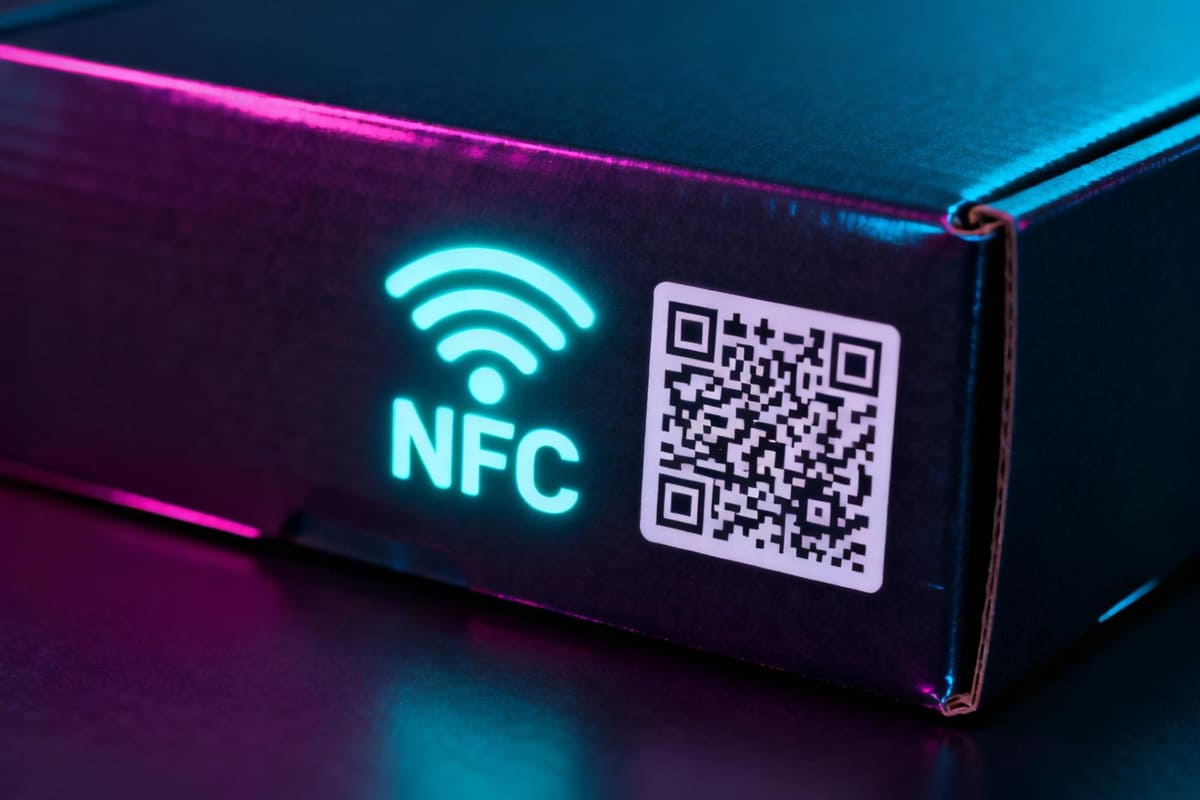
The future of verification is about making it even more secure and seamless. The next logical step is the widespread adoption of Near Field Communication (NFC) technology. Many brands are already experimenting with hybrid labels that include both a QR code and an NFC chip. This gives customers the option to either scan the code or simply tap their phone to the package to get the information. Looking further out, Artificial Intelligence will play a bigger role. Some systems are in development that use AI to analyze scan patterns, locations, and frequencies to proactively detect if a specific code has been cloned by counterfeiters. Ultimately, all of this is leading to a complete smart packaging ecosystem, where a single scan or tap can provide a product's entire history, from the genetics of the seed to the moment it was placed on the shelf.
Conclusion
QR codes are more than just a tool; they are a bridge of trust between your brand and your customer. By implementing them correctly, you can protect your brand and empower your buyers.
Explore how QR codes enhance product authenticity and consumer trust in the cannabis industry. ↩
Learn about secure databases that ensure cannabis product authenticity and safety. ↩
Understand the importance of batch-specific lab results for consumer safety and compliance. ↩
Discover how harvest dates contribute to the transparency and trustworthiness of cannabis products. ↩
Find out what compliance details are essential for cannabis products to meet legal standards. ↩
Understand the role of QR codes in establishing trust between cannabis brands and consumers. ↩
Explore the concept of product authentication and its significance in the cannabis market. ↩
Explore essential product data that cannabis QR codes should provide for transparency. ↩
Understand the advantages of dynamic QR codes for flexible and secure product verification. ↩
Discover how blockchain technology can provide an unalterable record of cannabis product authenticity. ↩
Learn about the significance of packaging dates in ensuring product freshness and safety. ↩
Discover why expiration dates are crucial for consumer safety and product quality. ↩
Learn about the COA and its role in ensuring cannabis product safety and quality. ↩
Explore how QR codes can enhance customer loyalty and engagement in the cannabis industry. ↩
Learn how AR can create immersive experiences that deepen customer connections with cannabis brands. ↩
Discover the future of cannabis packaging with hybrid labels that combine QR codes and NFC technology. ↩
Explore how AI can enhance security and prevent counterfeiting in the cannabis industry. ↩
Learn about the future of cannabis packaging with smart ecosystems that enhance product verification. ↩