
From Generic Bags to Custom Brands: A Retailer's Packaging Journey?
You're running your shop, spending hours bagging up bulk products into generic pouches just to save on costs. It's tedious, your shelves look inconsistent, and you're not building a real brand.
Small shops start with generic packaging1 to maximize initial profit margins2 on self-packaged goods. They soon realize this limits their brand potential3, prompting a strategic shift to custom packaging4 to build customer loyalty5 and increase the perceived value6 of their products.
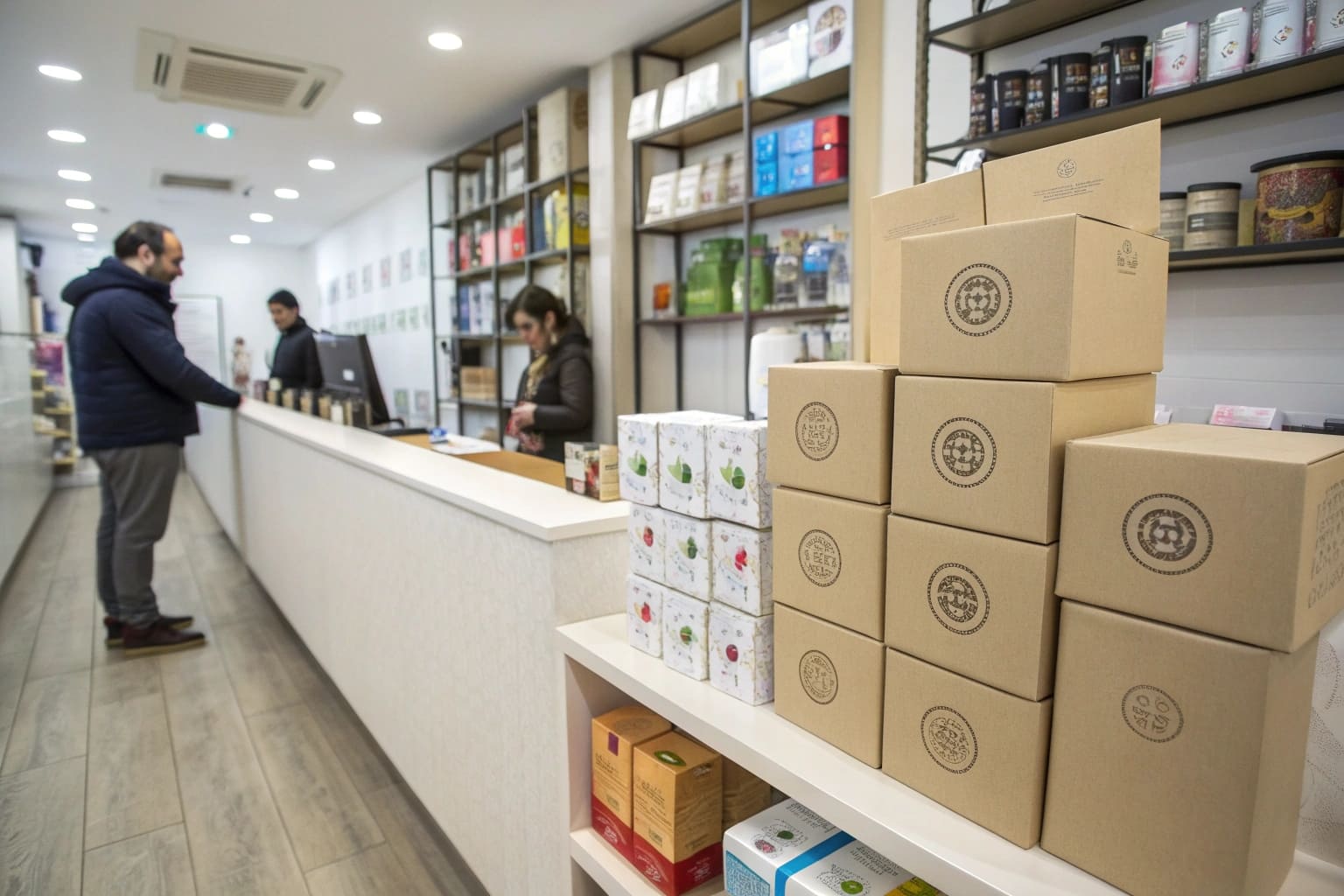
I've seen this exact story play out countless times with smoke shops, small dispensaries, and specialty food stores. It's a smart, organic path to growth. These entrepreneurs are on the front lines; they know their customers and products better than anyone. They start by leveraging a simple market reality: buying in bulk and packaging it yourself is often more profitable than reselling someone else's pre-packaged brand. But eventually, a ceiling is hit. To break through, they must transition from just being a retailer to becoming a brand owner. Let's walk through that crucial journey.
Why Do Shops Start with Generic Retail Packaging?
You see an opportunity to sell a popular bulk product, but buying it already packaged from a major brand kills your margin. You need a way to turn that bulk product into profit without high startup costs.
Shops use generic packaging1 as a low-cost entry point to create their own packaged products. This strategy allows them to test product-market fit and achieve significantly higher profit margins2 compared to reselling established brands, all with minimal initial investment.
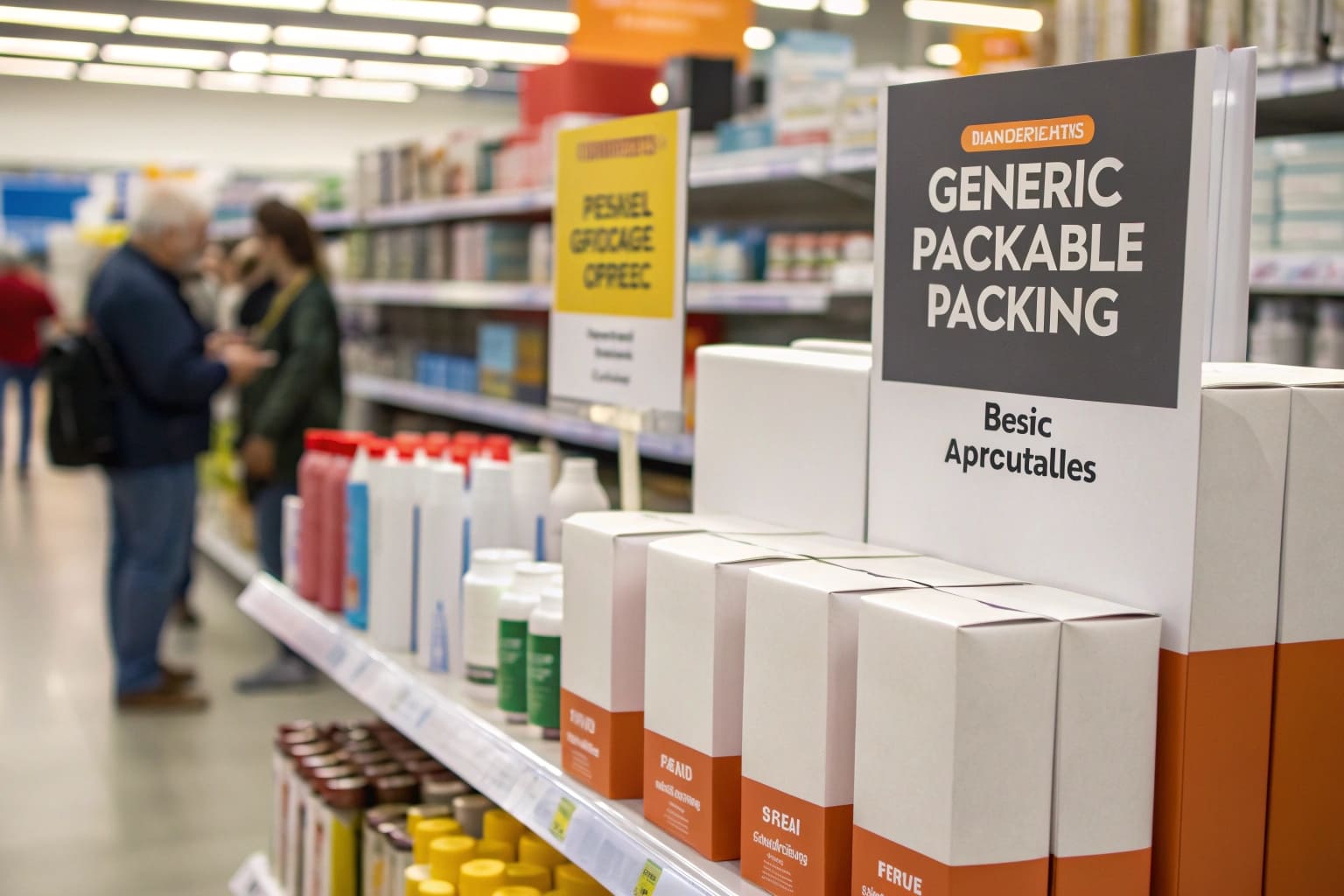
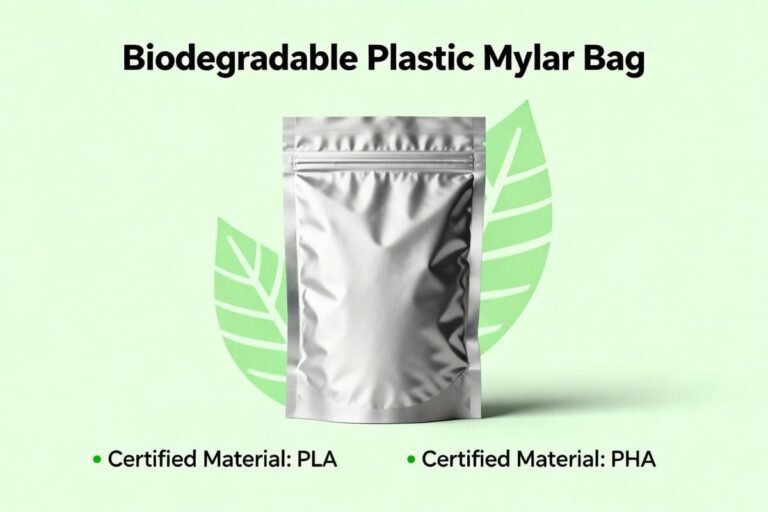
This is business 101, and it's brilliant. I have immense respect for the shop owners who do this. They'll go to a local market or wholesaler, buy a large quantity of loose herbs, edibles, or other goods, and then purchase simple, unbranded mylar bags or pop-top vials to package them in. They realize they can control their inventory and margins far better this way. A professional like Jacky might design for large-scale production, but the shop owner is doing on-the-fly product development7. They are proving a concept at the most fundamental level. For them, the initial packaging isn't about branding; it's a simple, functional container to facilitate a more profitable transaction.
Understanding the Initial Strategy
This DIY approach is driven by pure financial logic and market testing.
- The Profit Margin Calculation: The core driver is simple math. The profit from selling a self-packaged item is often much higher than the profit from reselling a pre-packaged one. It's the difference between capturing a small retail markup and capturing the entire value-add from packaging and branding.
- The Hidden Costs of DIY: While financially attractive, this stage has non-monetary costs. The primary cost is the owner's time—time spent weighing, filling, and sealing bags instead of focusing on sales or marketing. It also creates a visually inconsistent look on the shelves, which can subtly signal "low-budget" to customers.
| Approach | Profit Equation | Key Benefit |
|---|---|---|
| Reselling Branded Product | Retail Price - Wholesale Cost of Brand |
Simple, no labor. |
| DIY Packaging | Retail Price - (Bulk Good Cost + Generic Bag Cost) |
Higher Margin |
When Does DIY Packaging Become a Problem?
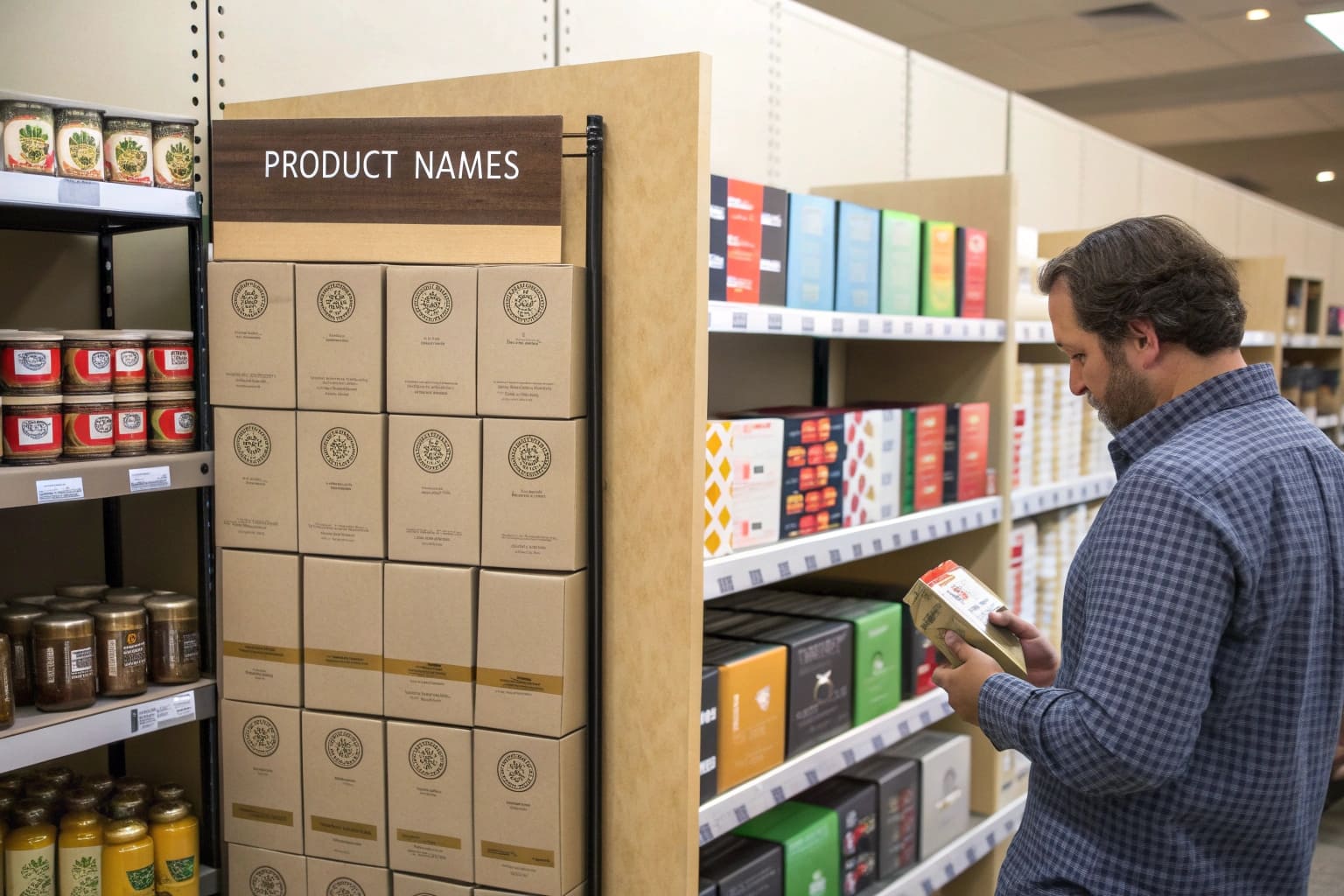
Your self-packaged products are selling well, but your store looks cluttered. Customers love the product but can't remember its "name" because there isn't one, and you're losing out to shops with a more professional look8.
DIY packaging9 becomes a problem when your success creates a new challenge: brand recognition10. The very thing that gave you high margins now prevents you from building customer loyalty5 and a premium identity11, capping your growth potential.
<sup id=](https://whatapackaging.com/wp-content/uploads/2025/10/provide-an-illustration-for-the-following-text-cu.jpg) 1" title="The Limitations of DIY Packaging" />
1" title="The Limitations of DIY Packaging" />
This is the turning point I love to see. The shop owner has proven their concept. Their product is good, and people are buying it. But now they realize they haven't built a brand; they've only sold a commodity. A customer might say, "I got this from the shop on Main Street," but they can't say, "I bought 'Main Street Organics'." This lack of a brand name and identity means you are constantly re-winning the customer with every visit. There is no loyalty to your product. At this stage, the generic bag that once enabled your business now holds it back. It keeps you in the "budget" tier, even if your product is premium quality.
Reaching the Brand Ceiling
Success exposes the weaknesses of the initial strategy. You are now limited by your presentation.
- You Can't Build Loyalty: Without a consistent brand, customers are loyal to your store, not your product. They could be swayed by a competitor with a more appealing product line.
- You Can't Command a Premium: A product in a generic, unlabeled bag will never command the same price as the same product in a beautifully designed, custom-printed pouch. You're leaving money on the table.
- You Look Unprofessional: As your business grows, customers expect more. A DIY look can start to feel untrustworthy or amateurish compared to the polished brands you compete with on the shelf.
How Does Custom Packaging Solve These Problems?
You're ready to stop looking like a simple reseller and start building a real brand that people remember and trust. You need a way to make your products look as good as they are.
Custom packaging transforms your product from a commodity into a brand. It establishes a professional identity, builds customer trust and recall, and allows you to command a premium price, directly solving the limitations of the DIY approach.
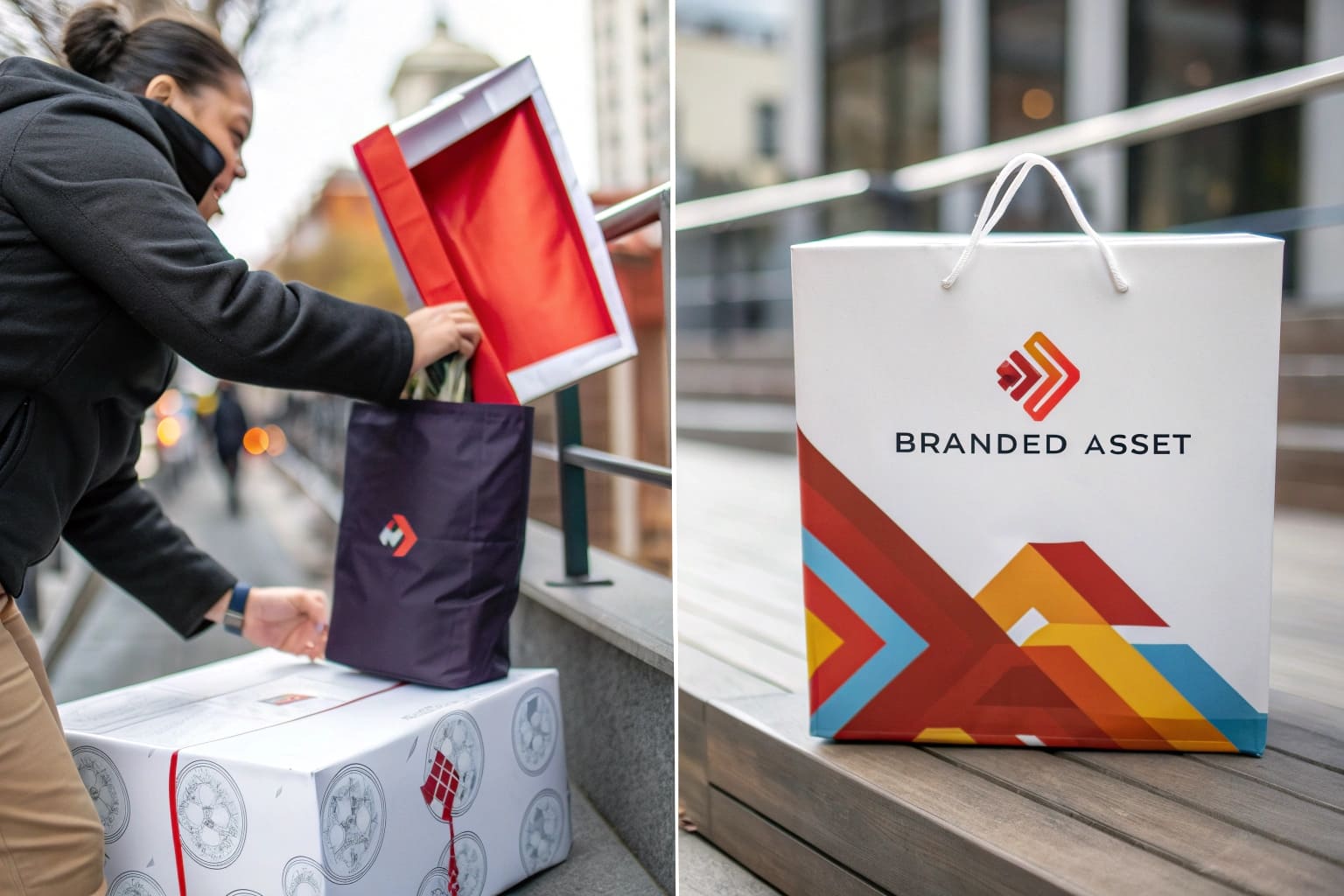
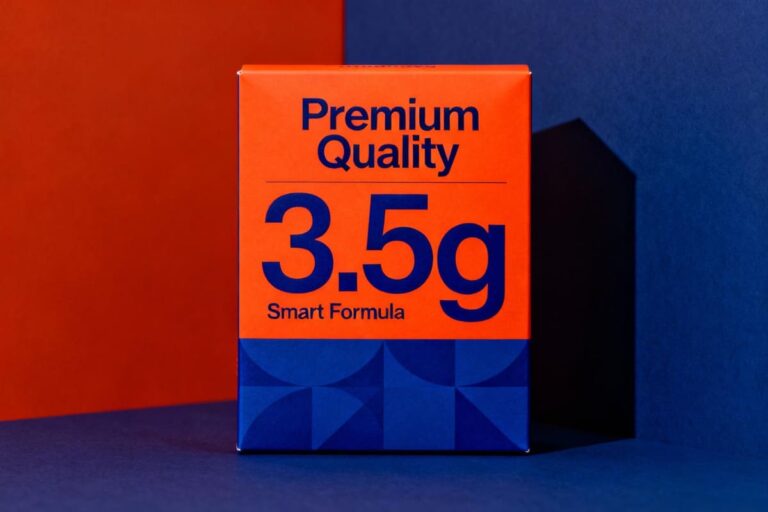
This is the final, most exciting step. This is where a shop owner collaborates with a packaging supplier like me. We take their proven product and wrap it in a story. We're not just designing a bag; we're creating a brand identity that lives on a shelf. A custom pouch with a unique logo, brand story, and professional finish does several things at once. It tells the customer, "This is a serious product from a brand that cares about quality." It allows them to remember your name and ask for it specifically next time. This is how you build an asset. Your brand itself becomes a valuable part of your business, and that all starts with the decision to invest in custom packaging.
The Transition to a Brand Owner
Moving to custom packaging is an investment in your business's future.
- Creating an Identity: Working with a supplier, you develop a logo, color scheme, and design that communicates your brand's unique value.
- Owning Your Customer: Custom packaging gives your product a name and a face. Customers now have something to remember and become loyal to.
- Justifying a Higher Price: The perceived value6 of a professionally packaged product is significantly higher. You can now adjust your pricing to reflect the true quality of your product and the brand you've built around it.
Conclusion
The journey from a generic bag to a custom brand is the natural evolution of a successful retailer. It's a strategic move from maximizing short-term margins to building long-term, sustainable brand equity12.
Explore how generic packaging can help small businesses maximize profit margins and test market fit. ↩
Discover effective strategies to enhance profit margins and grow your retail business. ↩
Find out how small businesses can transition from generic to branded products for growth. ↩
Learn how custom packaging can transform your product and build a strong brand identity. ↩
Understand the key strategies to foster customer loyalty and repeat business. ↩
Explore the relationship between packaging design and the perceived value of products. ↩
Explore the stages of product development and how to effectively bring products to market. ↩
Understand how a professional appearance can enhance customer trust and sales. ↩
Learn about the advantages and challenges of using DIY packaging in retail. ↩
Discover the significance of brand recognition in driving customer loyalty and sales. ↩
Explore strategies to establish a premium identity that attracts discerning customers. ↩
Learn about the importance of sustainable brand equity for long-term business success. ↩