Are Transparent Cannabis Containers the New Trend in Retail Displays?
Your premium cannabis flower1 is hidden inside an opaque box. Customers can't see the quality you've worked so hard to cultivate, forcing them to guess what's inside.
Yes, transparent cannabis containers2 are a major retail trend. They visually showcase product quality, build consumer trust, and offer unique branding opportunities while still complying with many regional regulations.
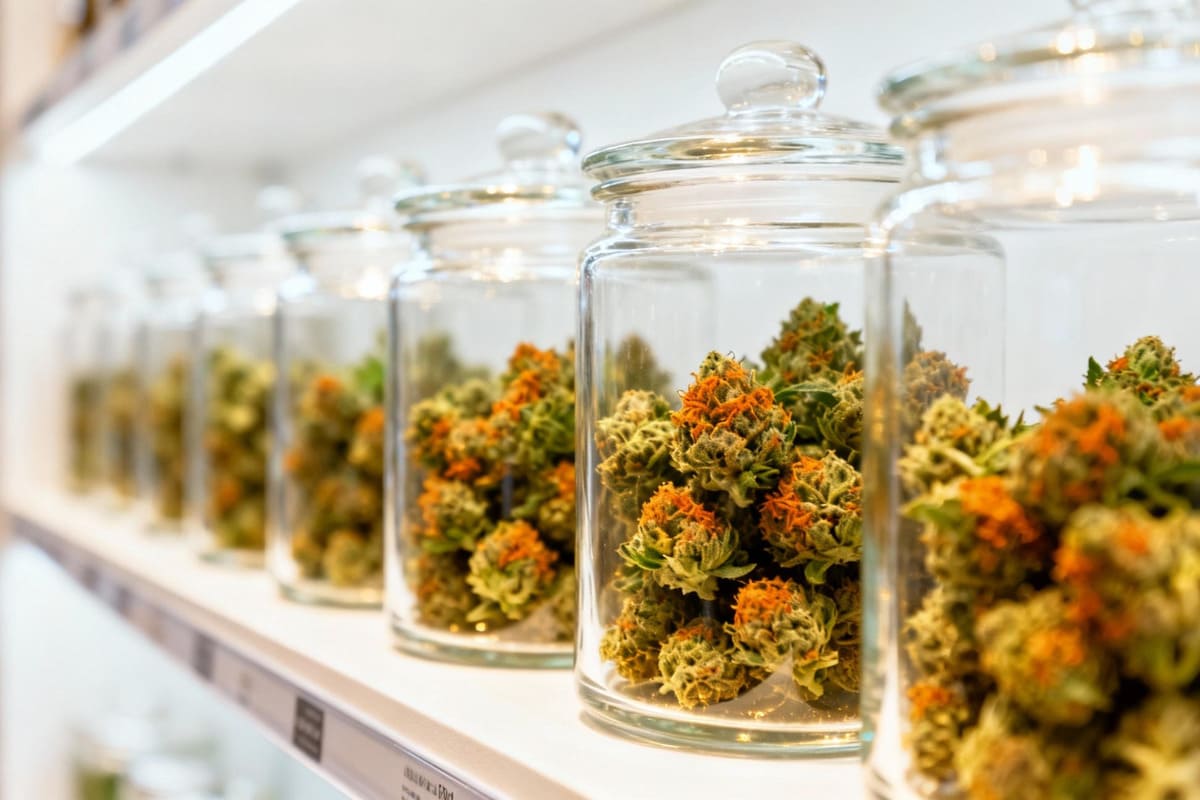
I remember a client who grew absolutely beautiful, top-shelf flower. The colors were incredible, and it was covered in trichomes. But their packaging was a standard, matte black bag. On the shelf, it looked just like every other product. He told me, "Kevin, it's like hiding a masterpiece." We switched him to a crystal-clear glass jar with a minimalist label. Almost immediately, budtenders started using his product as the example to show customers what true quality looks like. His sales doubled in three months. That's the power of letting the product speak for itself. It’s not just a trend; it's a fundamental shift in how we sell cannabis.
What Exactly Are Transparent Cannabis Containers?
You see "clear packaging" trending, but you're not sure what it means. Are they just simple jars, and are they even allowed with the strict cannabis regulations you face?
Transparent cannabis containers are packages made from clear materials like glass, PET plastic, or bioplastics3. Their main purpose is to allow customers to see the actual cannabis product before buying.
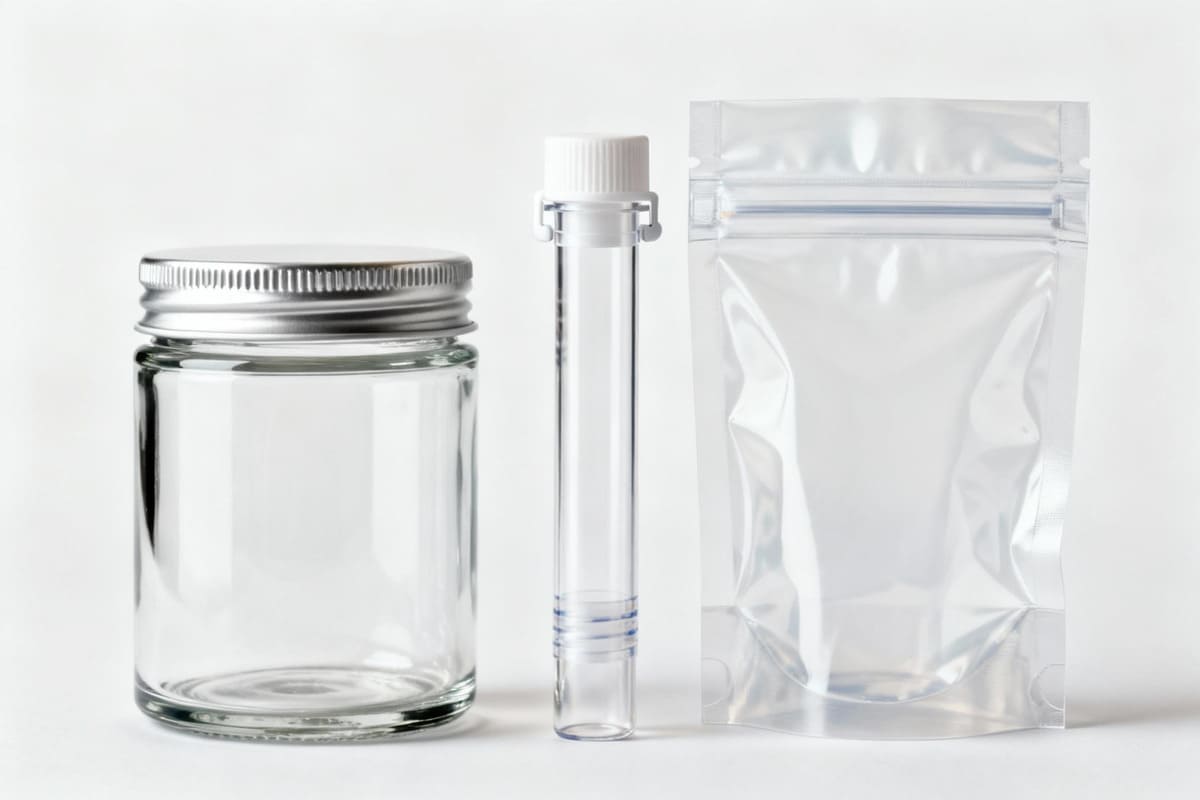
For a designer like Jacky, understanding the scope of "transparent" is key. It's not one single thing. The most popular choice is the classic glass jar, which feels premium and is endlessly recyclable. Then you have plastics like PET (Polyethylene terephthalate), which is lightweight, shatter-resistant, and can be made from recycled materials4. This is great for pre-roll tubes or smaller flower containers. The newest option on the block is clear bioplastics, which are plant-based and often compostable, appealing to eco-conscious brands. The critical thing to remember is that regulations differ wildly. In Canada, many licensed producers use clear containers, while some U.S. states have strict rules requiring opaque packaging once it leaves the store. So, the design must always start with an understanding of the local laws where the product will be sold.
Why Do Transparent Containers Appeal So Much to Consumers?
Your current packaging uses text and graphics to describe your product's quality. But what if you could prove it without a single word, building instant trust and desire?
Transparency appeals to consumers because it creates visual trust5. They can instantly assess the product's quality and freshness for themselves, which forms a stronger, more confident connection before purchase.
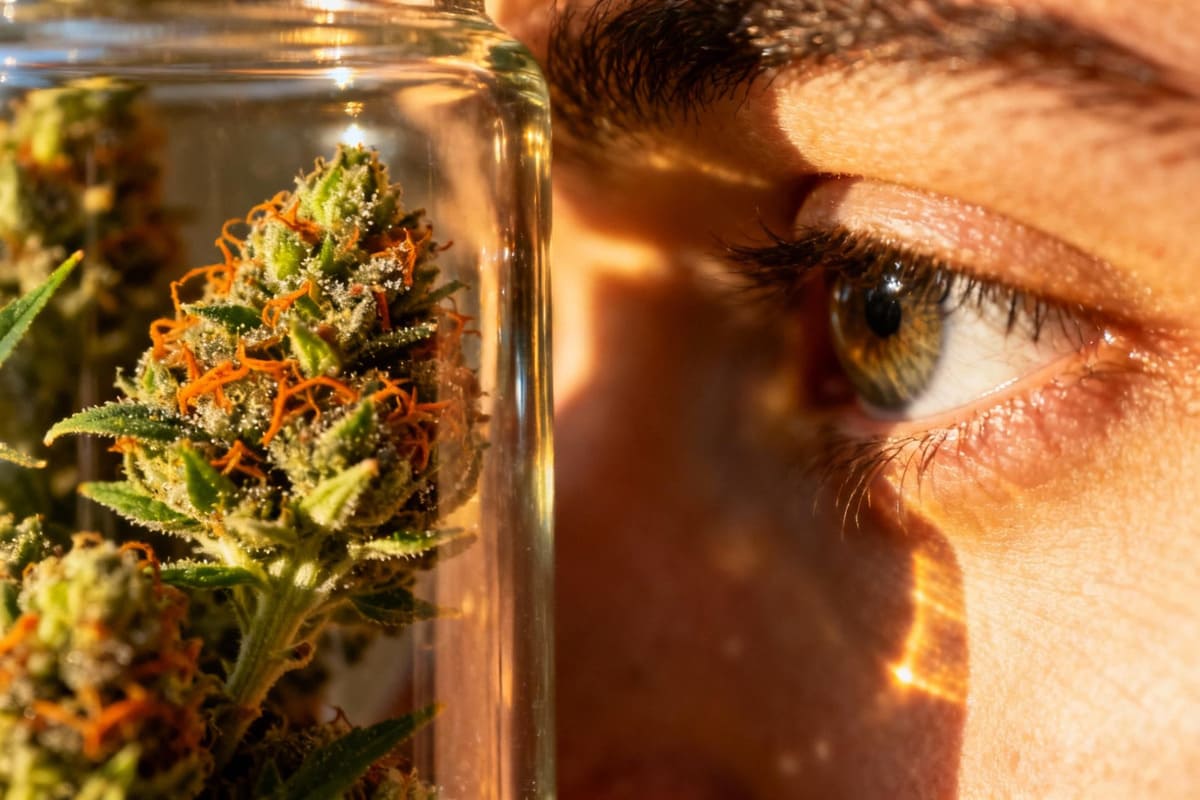
The psychology here is simple but incredibly powerful. In an industry that was once unregulated, consumers are naturally skeptical. Transparent packaging is an immediate signal of confidence from the brand.
Building Visual Trust
When customers can see the product with their own eyes, it removes all doubt. They can verify the freshness by the color. They can see the density of trichomes, which indicates potency. They aren't just taking your word for it—they are seeing the proof. This act of seeing builds a subconscious bond of trust before they even open the jar. I've seen customers in a dispensary pick up two different products, hold the clear one up to the light, and make their decision right there.
An Instant Quality Assessment
Words like "premium" or "top-shelf" have become so overused that they've lost some of their meaning. A clear container cuts through the marketing noise. It allows experienced consumers to make an instant quality assessment based on years of experience. They can see the trim job, the bud structure, and the color. This visual shortcut helps them feel more in control of their purchase and more confident that they are getting exactly what they are paying for.
What Are the Design Benefits for Retail Displays?
You want your product to pop on a crowded dispensary shelf6. How can a simple clear container become your most powerful tool for brand differentiation and standing out from the competition?
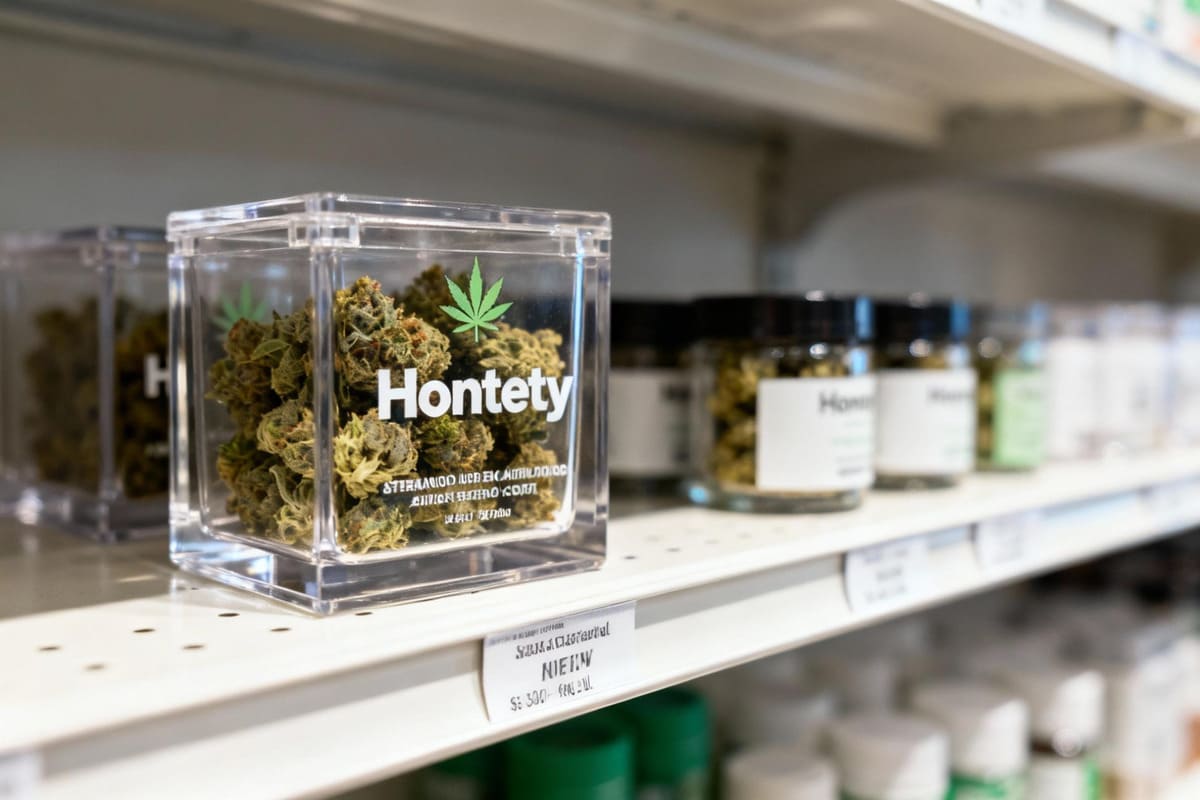
Transparent containers have incredible shelf appeal7 because the product's natural colors and textures stand out. This allows for minimalist branding8 where the product itself becomes the main design element.
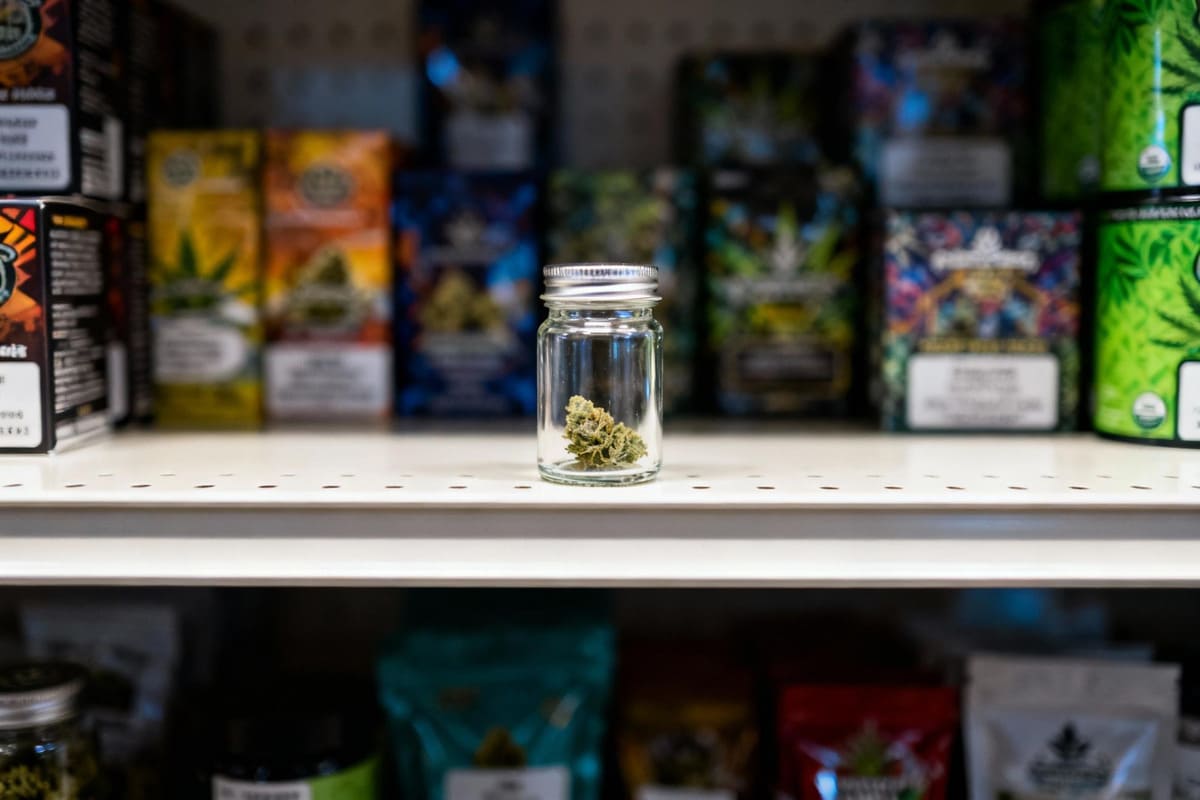
As a designer, Jacky knows that sometimes the best design is the one that gets out of the way. That's the core benefit of transparent packaging9. Instead of covering the product with ink and graphics, you use the product as your canvas. The vibrant greens and purples of the flower become your brand's color palette. In the bright, focused lighting of a modern dispensary, a row of clear jars showing off beautiful flower is visually stunning. It creates an almost jewel-like effect. This allows you to differentiate your brand with more subtle touches. You can focus on a unique lid design—maybe a custom-engraved bamboo lid or a sleek, metallic one. The label can be smaller and more refined, complementing the product instead of hiding it. It's a "less is more" approach that communicates luxury and confidence.
What Are the Compliance and Security Considerations?
Transparency seems great, but you're worried about the rules. How do you embrace a see-through design while still meeting strict regulations for child safety, UV protection, and opacity?
Key considerations include whether local laws require an opaque exit bag, the need for UV-protective coatings10 to preserve product quality, and integrating certified child-resistant mechanisms11 into the clear lids or bases.
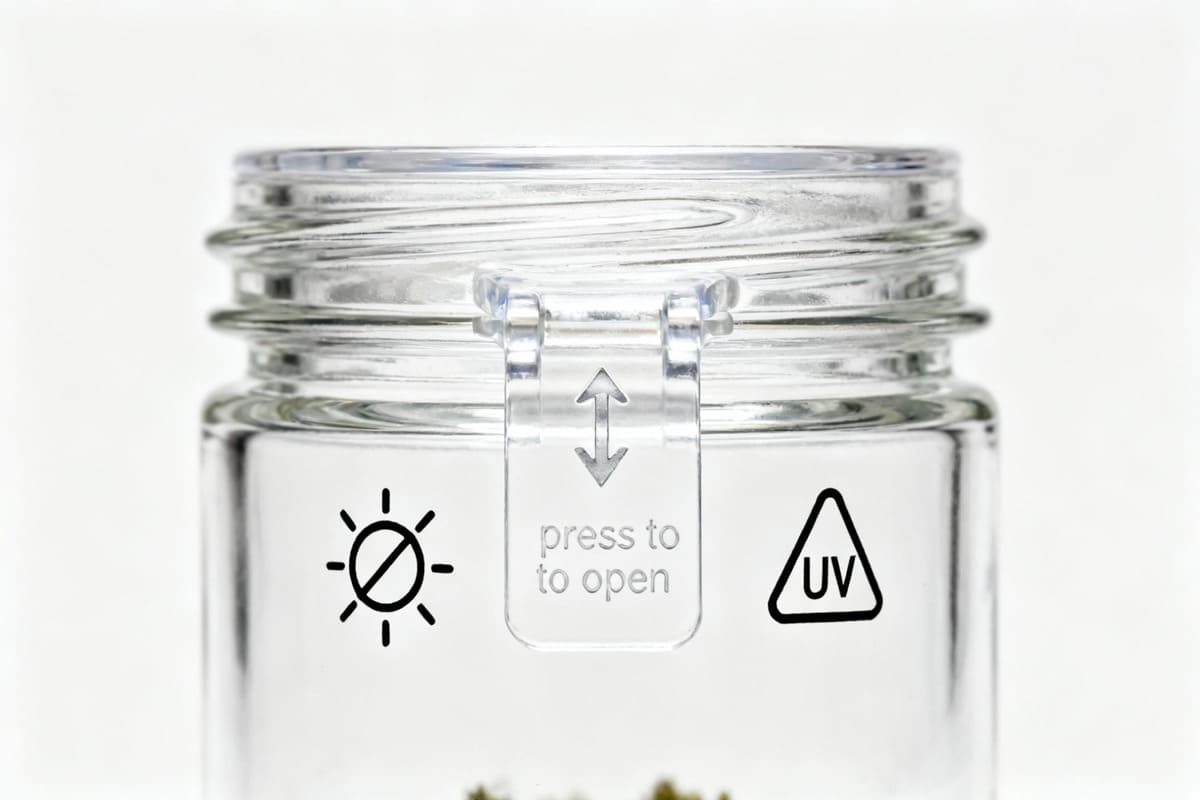
Navigating the rules is the most critical step, and it can be tricky. First, you have to know the law of your specific market. Some states in the U.S., for instance, mandate that while the primary container can be clear, it must be placed in an opaque, child-resistant bag at the point of sale. This is a crucial detail for your overall packaging strategy12. Second is product preservation13. Cannabis is sensitive to UV light, which can degrade cannabinoids and terpenes over time. A common solution is to use glass or plastic that has a built-in UV-protective coating. It looks perfectly clear to the eye but filters out the harmful light spectrums. Finally, any cannabis container, clear or not, must have a certified child-resistant closure. The challenge for designers is to integrate these mechanisms smoothly into a clear container's aesthetic without making them bulky or ugly.
Which Materials Are Used for Transparent Cannabis Packaging?
You want to go clear, but you need to choose the right material. Should you use glass for its premium feel, plastic for its durability, or a bioplastic for its eco-friendly story?
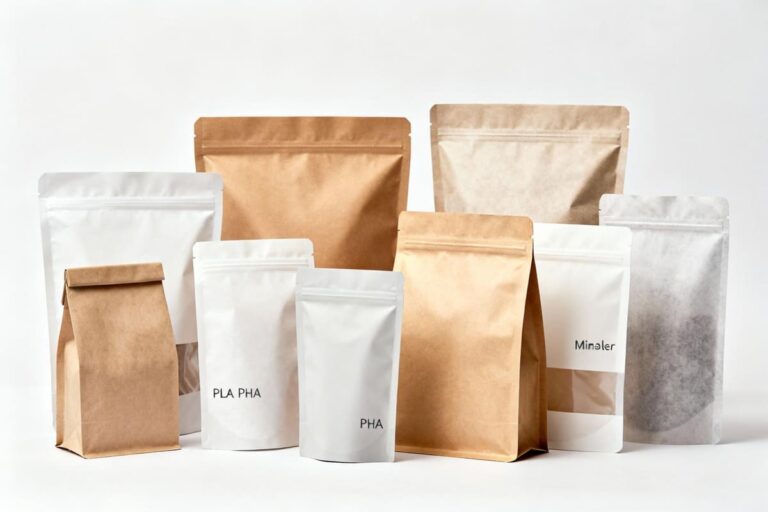
The most common materials are tempered glass for a premium look, PET or recycled PET plastic for durability and lower cost, and innovative, plant-based compostable bioplastics for sustainable brands14.
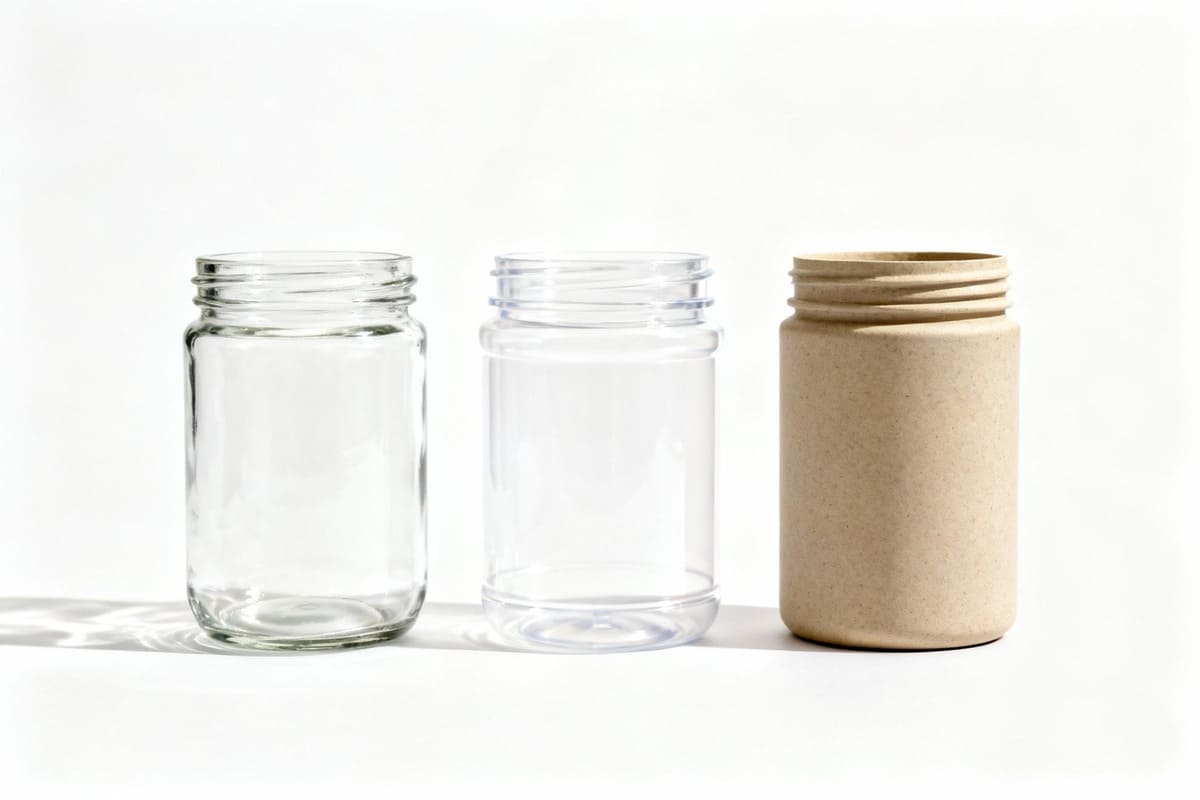
Choosing your material is a balance of brand identity, budget, and function. For a designer like Jacky, this choice defines the customer's physical experience with the product. Let's break down the main options.
| Material | Pros | Cons | Best For |
|---|---|---|---|
| Tempered Glass | Feels premium, 100% recyclable, excellent barrier | Heavier, more expensive, can break | High-end flower, luxury brands |
| PET Plastic | Lightweight, durable, cost-effective | Can feel less premium, fossil fuel-based | Pre-rolls, edibles, budget-conscious brands |
| Bioplastics | Plant-based, compostable, great eco-story | Can be more expensive, variable clarity/durability | Sustainable and organic-focused brands |
Glass is the undisputed king for luxury. It has a weight and clarity that communicates quality. PET is the versatile workhorse, perfect for a wide range of products where durability and cost are key factors. The most exciting area of development is in bioplastics. Companies are creating new clear materials from cornstarch or sugarcane that offer the benefits of plastic but with a much better environmental footprint.
What Does the Market Trend Analysis Show?
Is this just a niche trend, or is it a real market shift? You need to know if consumers actually prefer transparent packaging and where this trend is having the biggest impact.
Market data shows a rising adoption of transparent packaging, especially in the premium retail segment. The trend is stronger in Canada and parts of the EU, and it resonates most with Millennial and Gen Z consumers.
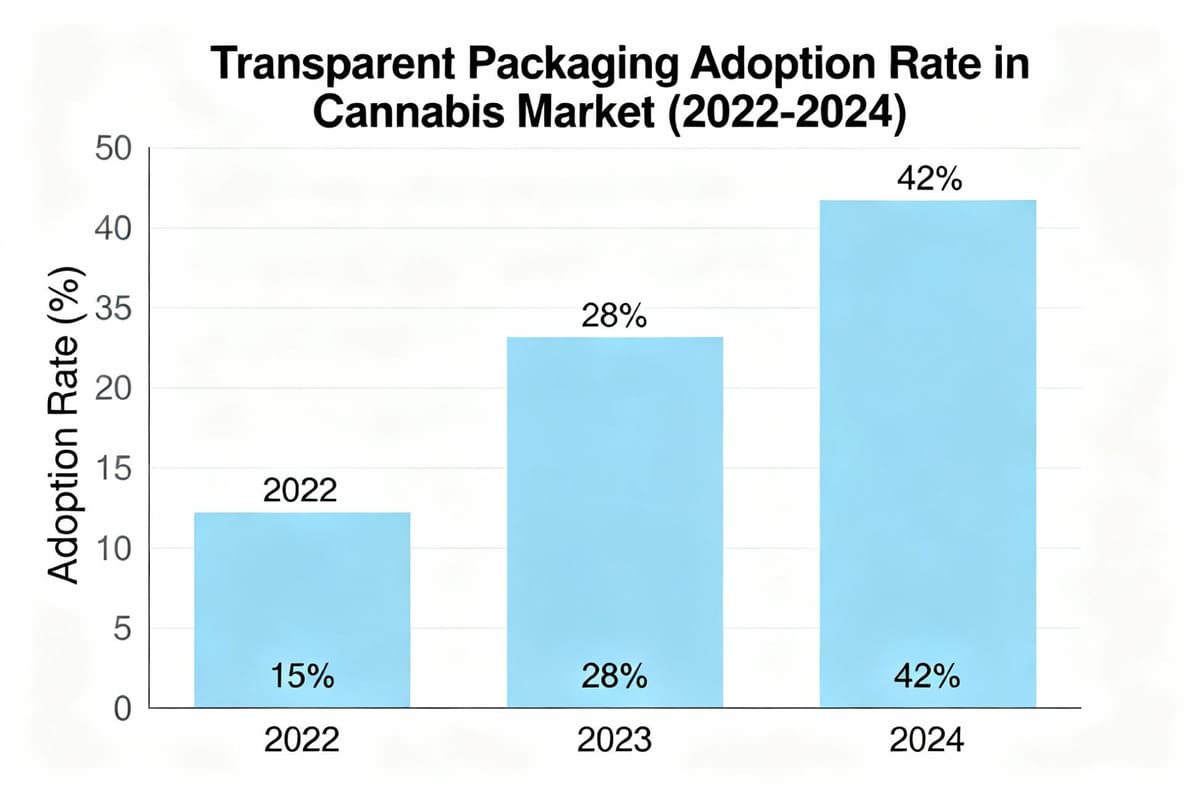
The move toward transparency isn't just a feeling; we are seeing it in the sales data. Brands that have made the switch are reporting increased consumer engagement and sell-through rates. This trend is not uniform everywhere, however.
Regional Trends
In markets like Canada, where federal regulations are clear, transparent containers have become quite common on dispensary shelves. The EU market for medical cannabis also often favors clarity to allow patients to inspect their medicine. In the United States, it's a patchwork. In states with more mature recreational markets like Colorado or California, you see more see-through options. In newer markets with stricter rules, opaque packaging is still the standard.
Consumer Demographics
The preference for transparency is strongest with younger consumers. Millennials and Gen Z have grown up with a demand for authenticity and transparency from the brands they support. They are skeptical of slick marketing and prefer to see the raw product. They associate transparency with honesty, which makes this packaging style a powerful tool for connecting with that key demographic.
What Are Some Real-World Case Studies of This Trend?
You understand the theory, but you want to see it in action. How have real brands—from luxury to sustainable—successfully used transparent packaging to elevate their products and connect with customers?
A luxury brand used a clear glass jar with a gold lid to convey exclusivity. A sustainable brand used a transparent, compostable pouch. And a medical brand used clear vials for dosage accuracy.
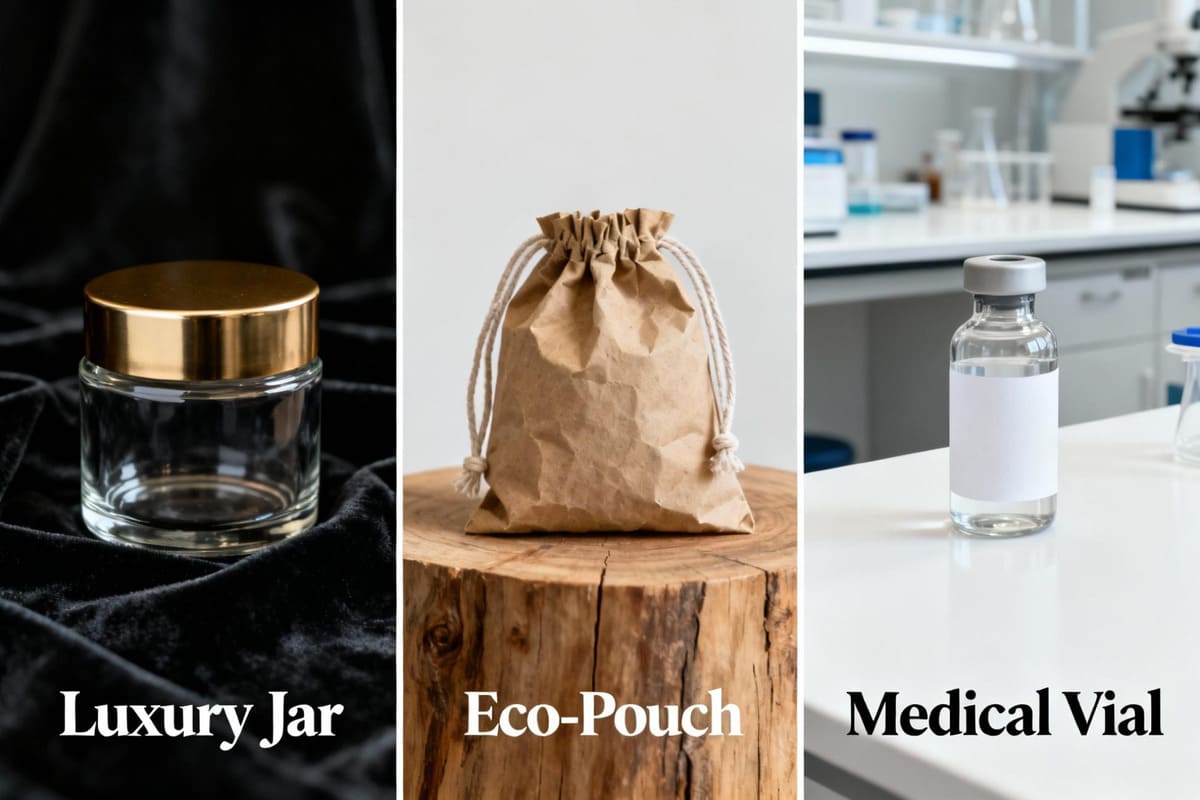
I’ve had the chance to work on some of these projects, and it's amazing to see the different ways brands can use transparency. A luxury flower brand I consulted for moved to a thick, heavy-bottomed glass jar with a custom gold-embossed lid. The clarity of the glass made the flower look like a jewel in a case. They placed it in high-end dispensaries, and it immediately commanded a premium price because it looked the part. On the opposite end of the spectrum, an organic, sun-grown farm wanted to emphasize their connection to the earth. We chose a new, fully transparent and compostable bioplastic pouch. The see-through window was framed by simple, earthy graphics. Their message was clear: "Our product is as natural as our packaging." For a medical cannabis client, the focus was safety and precision. They used clear, sealed vials with clear measurement markings, allowing patients to see the product and verify the dosage information easily.
Are There Any Downsides to Transparent Packaging?
This trend seems overwhelmingly positive, but what are the hidden drawbacks? You need to be aware of the potential issues with shelf life, cost, and privacy before you commit to a clear design.
The main downsides are a potentially shorter shelf life due to UV light exposure if not protected, higher material costs for premium glass, and regulatory restrictions in some privacy-focused markets.
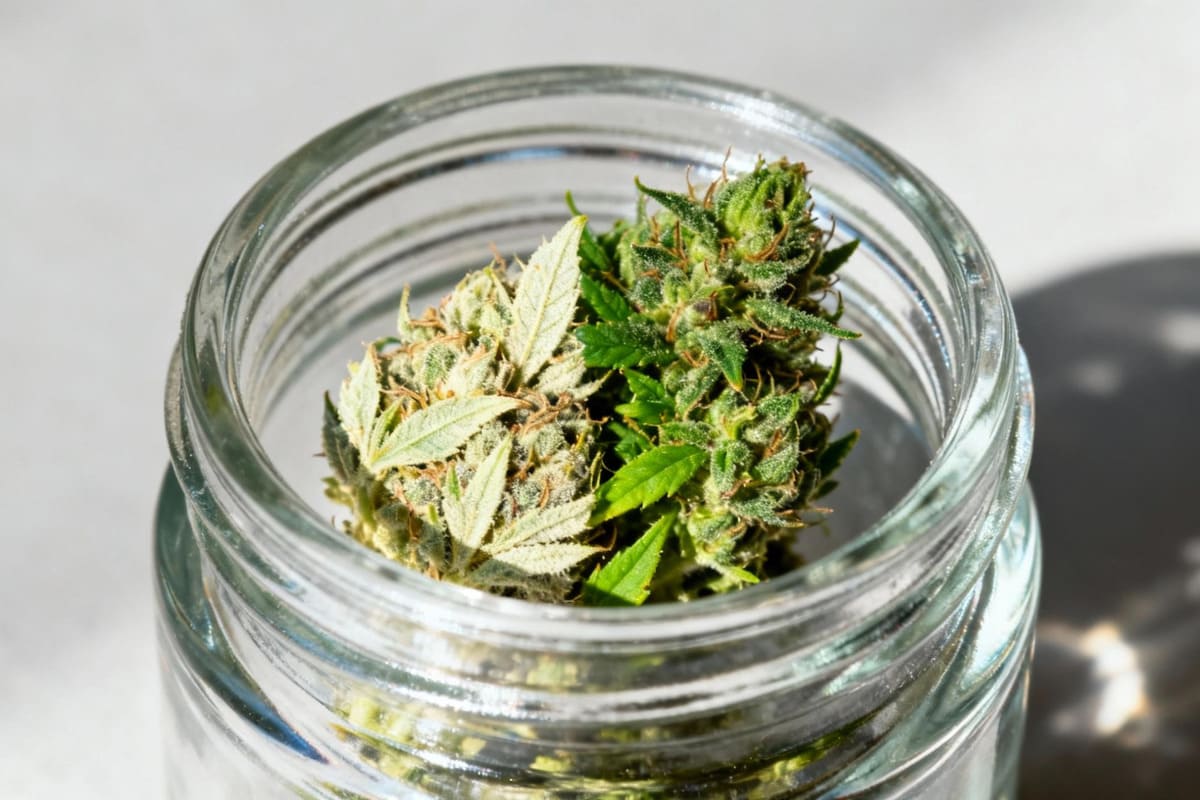
While I'm a big advocate for transparent packaging, it's not a perfect solution for every single situation. A designer like Jacky needs to present a balanced view to his team, and that means acknowledging the potential negatives. The biggest technical challenge is light degradation. As I mentioned, UV light is the enemy of cannabinoids and terpenes. If you don't use UV-protected materials, you risk shortening your product's shelf life and potency. This is a non-negotiable technical requirement. Cost is another factor. A high-quality, crystal-clear glass jar with a custom lid is significantly more expensive than a basic plastic pouch or tin. You have to be sure that the premium positioning of your product justifies the extra packaging cost. Finally, there are the regulatory and cultural hurdles. In some regions, the law simply forbids it, and that's the end of the discussion.
What Is the Future Outlook for Transparent Packaging?
You see the trend now, but where is it heading? You want your next packaging design to be future-proof, incorporating the next wave of innovation in materials and technology.
The future will combine transparency with smart technology like QR codes and AR experiences. We also expect to see regulatory easing in some regions and a major growth in eco-friendly clear materials by 2025.
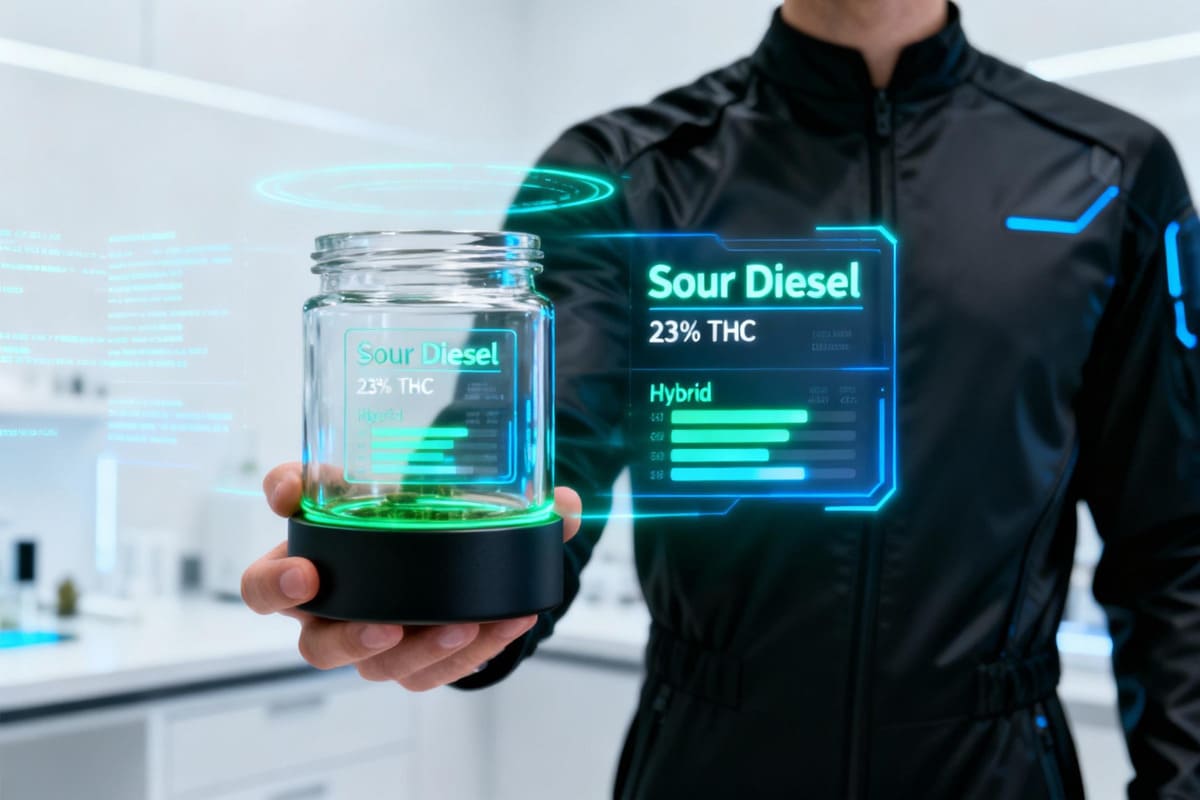
The clear container is just the beginning. The next evolution is about adding layers of digital information on top of that visual transparency. Imagine a customer holding up a clear jar of flower to their phone. An augmented reality (AR) experience could launch, showing them a 3D model of the plant, videos from the farm where it was grown, or detailed terpene profile animations. This combination of physical and digital transparency creates an incredibly immersive brand experience. We are also on the cusp of a materials science revolution. The quality, clarity, and compostability of transparent bioplastics are improving every year. I fully expect that by 2025, eco-friendly clear materials will be just as common and cost-effective as traditional plastic and glass are today, making sustainable transparent packaging accessible to every brand.
Conclusion
Transparent cannabis containers are more than a trend; they are a response to consumer demand for authenticity. They merge visual appeal with brand honesty, building trust directly from the retail shelf.
Find out how to effectively package cannabis flower for retail. ↩
Explore how transparent cannabis containers can enhance product visibility and consumer trust. ↩
Explore the eco-friendly benefits of bioplastics in the cannabis industry. ↩
Learn about the benefits of using recycled materials in cannabis packaging. ↩
Learn about the psychological impact of visual trust on purchasing decisions. ↩
Discover strategies to make cannabis products more visible in dispensaries. ↩
Discover how packaging design can enhance shelf appeal and attract customers. ↩
Learn how minimalist branding can enhance product visibility and appeal. ↩
Understand the reasons behind the growing trend of transparent packaging. ↩
Understand the importance of UV protection in preserving cannabis quality. ↩
Find out how to ensure safety in cannabis packaging while maintaining aesthetics. ↩
Explore successful packaging strategies that resonate with consumers. ↩
Explore techniques to maintain the quality and freshness of cannabis products. ↩
Explore the characteristics that make a cannabis brand truly sustainable. ↩